


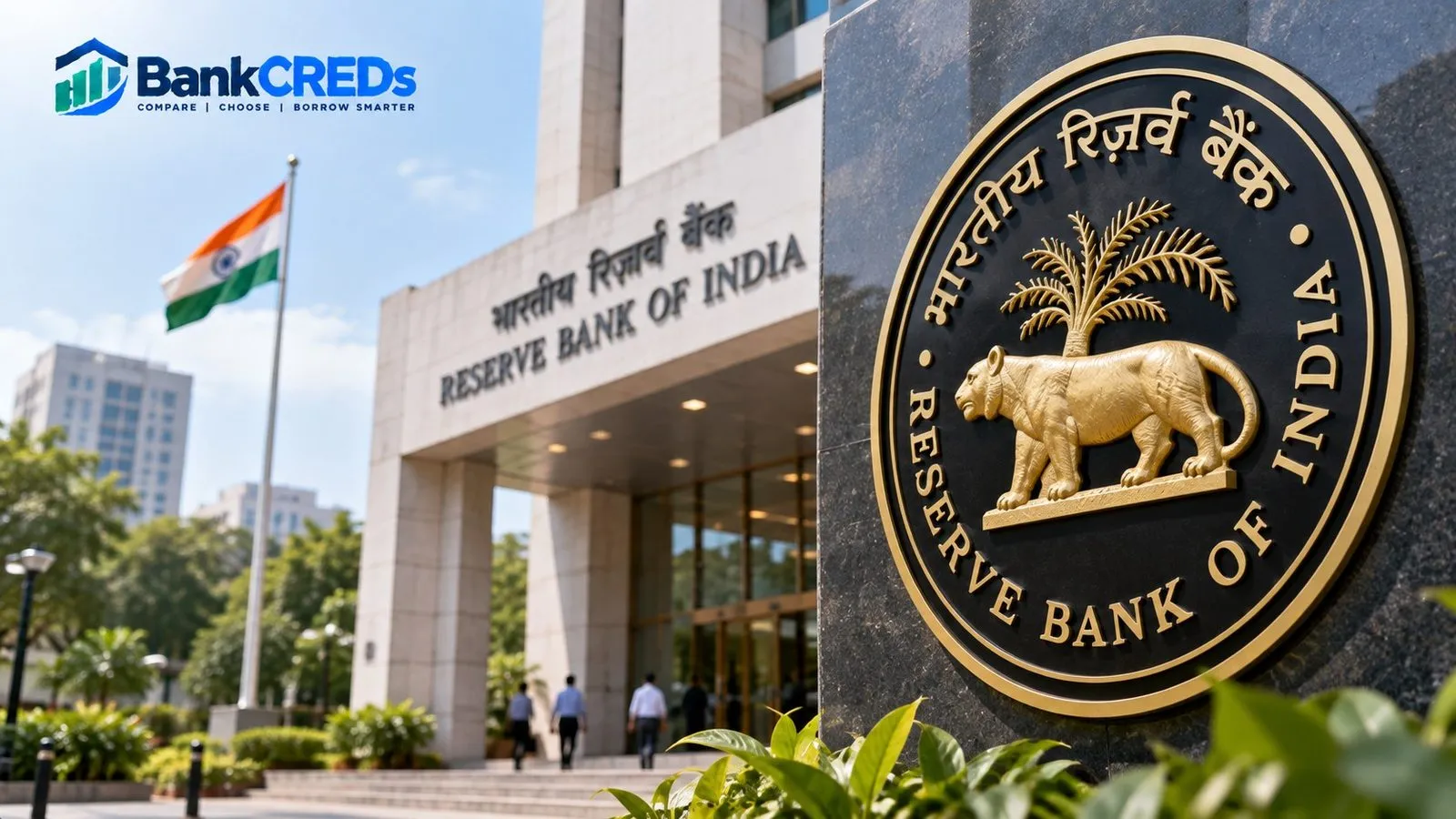
The RBI has cleared the air on cheque books, as CNBC TV18 reported. It says no new CTS cheque book norms start on January 1, 2027.
For you, that means nothing changes on that date. Your current cheque book keeps working, and your post-dated EMI cheques stay as they are.
Key takeaways
- The RBI says no new CTS cheque book rules begin on January 1, 2027.
- Your existing cheque book doesn't need replacing because of this.
- Post-dated cheques you gave for loan EMIs don't need to change.
- Don't pay a fee or visit a branch just to "upgrade" your cheques.
- Always check your bank's official notices for real changes.
What is CTS and how does it work?
CTS stands for Cheque Truncation System. It's the way banks clear most cheques in India today. The paper cheque doesn't travel from bank to bank.
Instead, the bank scans it. The image and key details move electronically. This makes clearing faster and safer than moving paper around.
Cheques used in this system follow a standard design. They carry security features that help banks spot fakes. That's why a cheque book from your bank looks the same as one from another bank.
As reported, the RBI's message is simple. There's no fresh set of cheque book norms starting on January 1, 2027. Your bank doesn't need to give you a new type of cheque on that day.
What changes for you as a saver or borrower?
Nothing changes on that date, going by the clarification. Let's see why that saves you money and effort.
Say Riya pays ₹25,000 rent by cheque every month. That's 12 cheques and ₹3,00,000 a year. A 25-leaf cheque book lasts her about two years.
Now imagine she hears about "new rules" and orders a fresh book early. She might pay a bank fee, lose a half-used book and spend time at the branch. The fee differs from bank to bank. For her, it's all for nothing.
| What you could do | Needed because of this clarification? | Cost to you |
|---|---|---|
| Keep using your current cheque book | Yes, it's fine | ₹0 |
| Order a new book early | No | A fee may apply, varies by bank |
| Pay a cheque in within 3 months of its date | Always | ₹0 |
| Switch rent to UPI (a phone payment) | Optional | Usually ₹0 |
Who is affected by this news?
Most people aren't affected at all, and that's the good news. Still, some groups may have been worried.
- Tenants and landlords who pay rent by cheque.
- Borrowers who gave post-dated cheques for EMIs (monthly loan payments).
- Small shop owners who pay suppliers by cheque.
- Senior citizens who prefer paper over apps.
If you gave post-dated cheques for a loan, they stay as they are. You can read more in our personal loan guides about how EMI payments work.
What should you do now?
Stay calm and keep doing what you already do. A few simple habits will protect you.
- Keep using your current cheque book as normal.
- Don't pay anyone who says you must "update" your cheques for a fee.
- Read messages from your bank, but ignore links in unknown texts.
- Remember that a cheque is valid for three months from its date.
- Check the RBI's official site for real circulars.
Follow our news hub for updates if anything does change later. A real rule change will come through official notices, not forwards.
Frequently asked questions
Do I need a new cheque book from January 1, 2027?
No, not because of this. The RBI has clarified, as reported, that there are no new CTS cheque book norms from that date. Keep using your current one.
Will my old cheques stop working?
There's no sign of that in the reporting. Cheques you hold now should keep working as usual. Just make sure each cheque is dated and signed properly.
How can I tell if a cheque rule change is real?
Check the RBI's website or your own bank's official notice. Banks don't ask for payment or personal details by random link or call.
BankCreds analysis
This clarification is less important than the headline makes it sound. It's a "nothing to do" story. Its main value is stopping people from wasting time and money.
Who gains and who doesn't
Think of a family that pays ₹18,000 school fees and ₹25,000 rent by cheque each quarter and month. They might have rushed to order two new books. Even a small fee, plus a trip to the branch, is a waste if the rules haven't changed.
Don't over-read it, though. "No new norms from January 1" doesn't mean none will ever come. Banks and RBI do update cheque security from time to time. The long trend is clearly towards UPI and online transfers. Use cheques where you must, and keep your details safe.
This section is BankCreds' own assessment of what the development means for Indian borrowers and savers. It is independent commentary, not part of the source reporting above.
Sources & references
- CNBC TV18 — originating report https://www.cnbctv18.com/personal-finance/rbi-cheque-book-rules-no-new-cts-cheque-book-norms-from-jan-1-2027-central-bank-clarifies-20029721.htm
- RBI notifications and circulars — Where RBI publishes official circulars and clarifications https://www.rbi.org.in/Scripts/NotificationUser.aspx
- Reserve Bank of India — Cheque clearing is regulated by the central bank https://www.rbi.org.in/
Source links are shown as plain text, not clickable links. Copy a URL into your browser to read the original report.
Editorial note & disclaimer
How this was reported. The development above is attributed to the source or sources listed. BankCreds does not independently verify a third party's reporting; where a figure or a regulatory position is stated as fact, it is either attributed or drawn from the regulator's own published material. Everything under "BankCreds analysis" is our own assessment.
Rates and figures. Interest rates, per-gram values and premium bands quoted here are indicative, move daily, and differ by borrower profile, city and lender policy. Confirm the final number with the institution before you act on it — the sanction letter or policy schedule governs, not a news report.
Not financial advice. This article is general information for an Indian audience. It is not investment, tax, credit or insurance advice, takes no account of your circumstances, and BankCreds is not a lender, broker, distributor or advisor. Consider speaking to a SEBI-registered investment adviser or a qualified professional before acting.
Editorial policy · Fact-checking policy · Corrections policy · Our authors · About BankCreds · Contact us
Spotted an error? Corrections are published, not quietly edited — write to us via the contact page and see our corrections policy.