


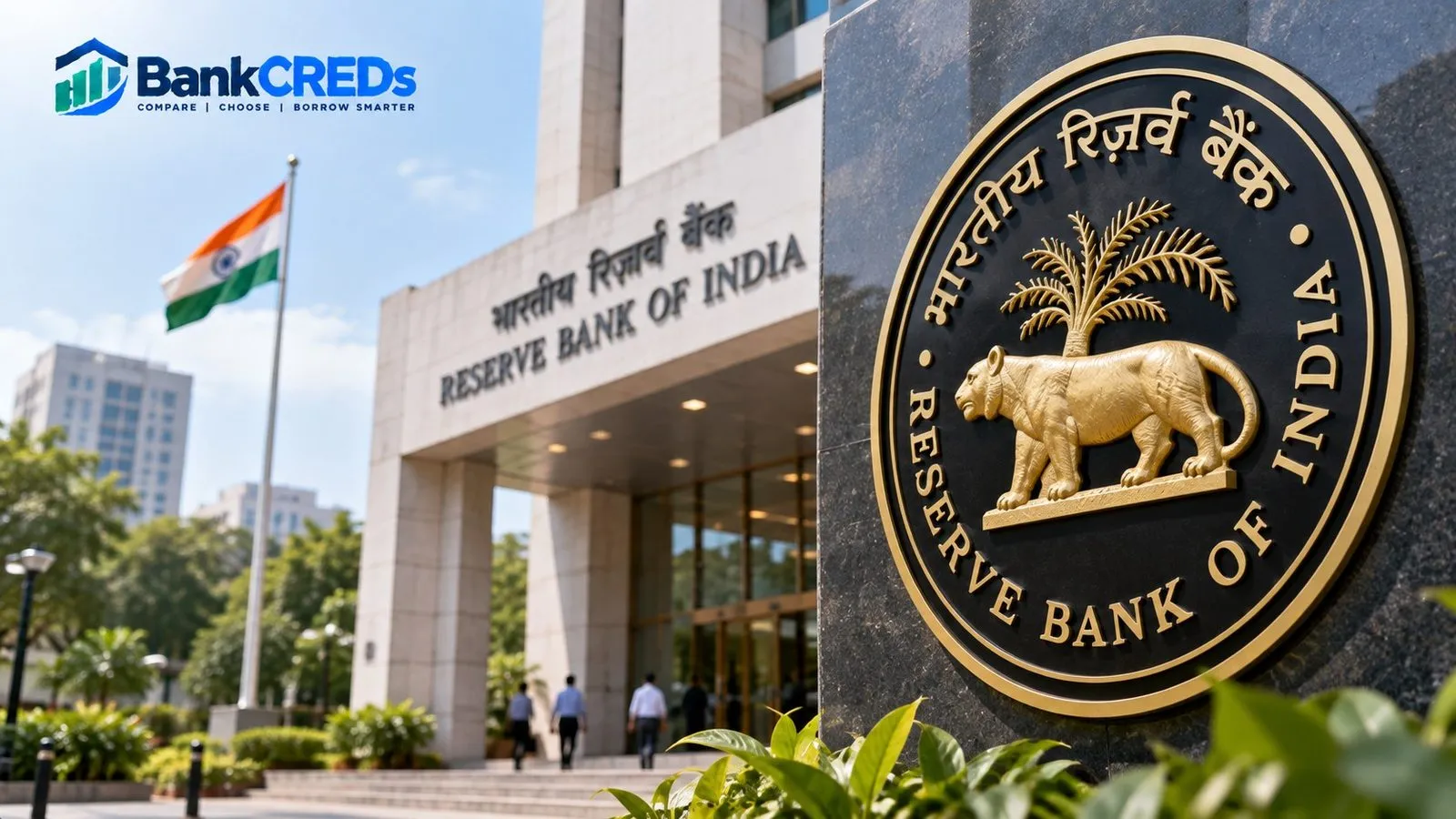
The Reserve Bank of India (RBI) has called viral claims about new cheque book rules from 2027 fake. This is as reported by Daijiworld.
For you, the message is simple. Your current cheque book is fine. You don't need to rush to the bank because of a forwarded message.
Key takeaways
- RBI has dismissed the viral cheque book rule claims as fake, according to Daijiworld.
- Your existing cheque book keeps working as usual.
- Real rule changes come through official RBI and bank channels, not forwards.
- Don't share personal details with anyone who calls about a "new cheque book".
How real banking rules change
RBI doesn't change rules through chat messages or social media posts. It issues official circulars and notifications. You can find them on the RBI website.
After that, your bank usually tells you directly. You may get an SMS, an email or a notice at the branch. Most big changes also give customers some time to adjust.
A message that has no official link, no circular number and no bank name should make you pause. Fake notices often use scary words like "last date" or "your cheques will be blocked". Real notices are calmer and clearer.
What this means for your money
Think of a fake rumour as a small tax on your time. Let's use a simple example. Suppose you panic and order a new 50-leaf cheque book. Many banks give some free leaves each year and then charge a small fee per leaf.
If your bank charges ₹4 a leaf, that's ₹200. You'd pay it for no reason at all. The old book would have worked just fine.
Here's a quick look at the facts you can rely on today.
| Item | What's true today |
|---|---|
| Your current cheque book | Works as normal |
| How long a cheque is valid | 3 months from the date on it |
| Example fee for 50 leaves at ₹4 | ₹200 |
| Action needed for the viral claim | None |
The three-month validity is a standing rule. It's why you shouldn't hold a cheque for too long before you deposit it.
Who is affected by this rumour
Most people with a savings or current account could see the forwarded message. Some groups need extra care.
- Senior citizens, who may trust forwards from family groups.
- Small shop owners, who take cheques from customers every week.
- Salaried people who give post-dated cheques for loan EMIs. An EMI is the fixed monthly payment you make on a loan. You can check yours with the EMI calculator.
If you pay EMIs by cheque, keep your cheques as they are. Don't cancel or replace them because of a rumour. A missed or bounced payment can cost you more than any rumour ever will.
What to do now
You don't need to do anything special. A few small habits will keep you safe from the next fake notice.
- Don't forward the message, even to warn others, until you've checked it.
- Look for the same news on the RBI website or in your bank's official app.
- Call your bank only on the number printed on your card or passbook.
- Never share your OTP, PIN or card number with a caller.
- Keep following the news hub for checked updates on banking rules.
If a real change does come, your bank will explain it. You'll have time to act.
Frequently asked questions
Do I need a new cheque book because of this news?
No. Your current cheque book keeps working. RBI has called the viral claims fake, as reported by Daijiworld.
How can I tell if a banking rule is real?
Check the RBI website or your bank's official app or branch. A real rule comes with an official notice, not just a forwarded message.
What should I do if someone calls about my cheque book?
Don't share any details. Hang up and call your bank on the number printed on your card or passbook.
BankCreds analysis
This story is smaller than the headline makes it sound. Nothing has changed for your account. The real lesson is about how fast a fake notice spreads.
The cost of panic
Say a family orders a fresh 50-leaf cheque book because of the rumour. If the bank charges about ₹4 a leaf after the free quota, that's ₹200 spent for nothing. It's small, but it's a real loss caused by a false message.
The bigger risk is a scammer using the rumour. A caller may say your old cheque book will stop working and ask for your card details. No real bank needs your PIN or OTP for this. Hang up and call the number printed on your bank card.
This section is BankCreds' own assessment of what the development means for Indian borrowers and savers. It is independent commentary, not part of the source reporting above.
Sources & references
- Daijiworld — originating report https://www.daijiworld.com/index.php/news/newsDisplay?newsID
- RBI notifications and circulars — Where genuine RBI rule changes are published https://www.rbi.org.in/Scripts/NotificationUser.aspx
- Reserve Bank of India — Official source for RBI statements and clarifications https://www.rbi.org.in/
Source links are shown as plain text, not clickable links. Copy a URL into your browser to read the original report.
Editorial note & disclaimer
How this was reported. The development above is attributed to the source or sources listed. BankCreds does not independently verify a third party's reporting; where a figure or a regulatory position is stated as fact, it is either attributed or drawn from the regulator's own published material. Everything under "BankCreds analysis" is our own assessment.
Rates and figures. Interest rates, per-gram values and premium bands quoted here are indicative, move daily, and differ by borrower profile, city and lender policy. Confirm the final number with the institution before you act on it — the sanction letter or policy schedule governs, not a news report.
Not financial advice. This article is general information for an Indian audience. It is not investment, tax, credit or insurance advice, takes no account of your circumstances, and BankCreds is not a lender, broker, distributor or advisor. Consider speaking to a SEBI-registered investment adviser or a qualified professional before acting.
Editorial policy · Fact-checking policy · Corrections policy · Our authors · About BankCreds · Contact us
Spotted an error? Corrections are published, not quietly edited — write to us via the contact page and see our corrections policy.