


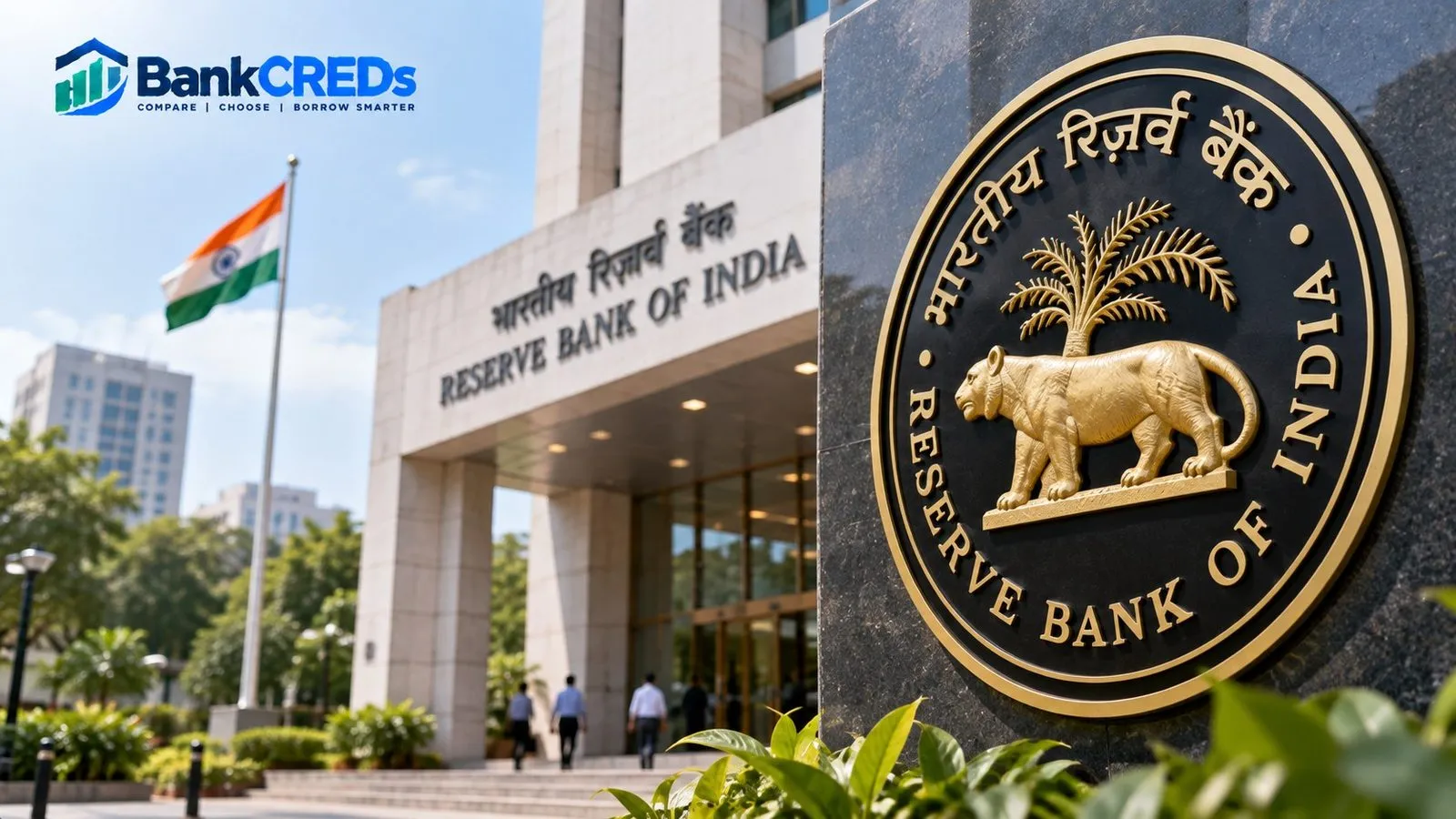
Freelancers and service exporters are confused about EDF filings, as reported by Business Today. The confusion is about RBI's forex reporting rules.
What does it mean for you? If you earn in dollars or euros from abroad, you may need to report it. Check with your bank before you assume anything.
Key takeaways
- Freelancers and service exporters are unsure how EDF filings apply to them.
- EDF stands for Export Data Facility, a form used to report export payments.
- Your bank is the first place to get a clear answer.
- Keep payment records, invoices and client details safe.
- Don't panic, but don't ignore the question either.
What is an EDF filing, in simple terms?
When an Indian business sells to a buyer abroad, RBI wants to track the money. The aim is simple. The money earned abroad should come back to India through proper banking channels.
EDF is a form used for this tracking. Traditionally, it has been linked with exporters of goods. Service exporters have often followed other routes. For example, software exporters have used a different form in the past.
That's why the confusion makes sense. A freelancer who writes code, designs logos or edits videos isn't shipping a box. Yet the money still crosses the border.
According to the reporting, many such workers are not sure which form applies to them. We don't have the exact details of the rule. So treat this story as a heads-up, not a final guide.
How does this affect freelancers and small exporters?
The main risk is delay and doubt. If your bank asks for a form you've never filed, your payment may be held up. That can hurt cash flow, especially if you depend on one client.
Here's a simple example. Say you bill a client abroad $1,000 for a project. At about ₹85 to a dollar, that's roughly ₹85,000. If the bank holds that money for a week, you may miss rent or an EMI. An EMI is the fixed monthly amount you pay on a loan.
The table below shows how small delays can add up. The numbers are only examples.
| Monthly foreign income | Approx. in rupees at ₹85 per dollar | Cost of a 7-day hold at 2% a month (rough) |
|---|---|---|
| $500 | ₹42,500 | about ₹200 |
| $1,000 | ₹85,000 | about ₹400 |
| $2,000 | ₹1,70,000 | about ₹800 |
| $5,000 | ₹4,25,000 | about ₹2,000 |
The real cost isn't the interest. It's the stress and the missed deadlines. A delay can also affect your credit later, if you borrow against your income.
Who is affected?
The story names freelancers and service exporters. In practice, that could include several groups.
- Independent writers, designers and developers paid by overseas clients.
- Small agencies that bill foreign customers.
- Consultants and online tutors who receive money from abroad.
- Anyone who gets paid through a bank account in India for work done for a foreign buyer.
If you only get occasional gifts or family remittances, this story is probably not about you. But if work is involved, read on.
What should you do now?
You don't need to rush. A few calm steps will protect you.
- Ask your bank, in writing, which form it needs for your type of income.
- Save every invoice, contract and payment message from your client.
- Receive money only in an account in your own name.
- Note the date each payment arrives and the amount in rupees.
- Keep your accountant in the loop, if you have one.
Also, watch the RBI website for official notices. Banks usually follow RBI circulars closely. You can also follow our news hub for updates.
If your income is irregular, plan for it. Lenders often want steady proof of income before they approve a loan. Our eligibility check shows what many lenders look at, and our personal loan guides explain the paperwork.
Frequently asked questions
What is an EDF in RBI rules?
EDF means Export Data Facility. It's a form used to report export payments so RBI can track money coming in from abroad.
Do freelancers have to file an EDF?
That's exactly what is unclear, as reported by Business Today. Ask your bank which form applies to your income, and get the answer in writing.
Will my foreign payments be stopped?
There's no sign of that in the reporting. But a missing form can slow a payment, so it's wise to sort it out early.
BankCreds analysis
Less scary than it sounds
Confusion is not the same as a new penalty. Nothing in the reporting says freelancers are in trouble today. The real risk is guessing wrong and finding out months later.
Take a freelancer who earns about ₹6 lakh a year from foreign clients. The tax and the forex paperwork are two separate things. Even a perfect tax return doesn't replace the bank's forex records. Fixing a missing record is far cheaper when you act early.
The people most exposed are those who take payments through wallets, card links or friends' accounts. Money that doesn't come through your own bank leaves a thin trail. This week, move future payments to one account in your own name. Ask your bank which form it wants. Then keep that answer in writing.
This section is BankCreds' own assessment of what the development means for Indian borrowers and savers. It is independent commentary, not part of the source reporting above.
Sources & references
- Business Today — originating report https://www.businesstoday.in/personal-finance/story/rbi-forex-reporting-rules-freelancers-service-exporters-face-confusion-over-edf-filings-563459-2026-10-24
- Reserve Bank of India — RBI sets the foreign exchange reporting framework for exporters https://www.rbi.org.in/
- RBI Master Directions — Export-related directions are issued as Master Directions https://www.rbi.org.in/Scripts/BS_ViewMasDirections.aspx
Source links are shown as plain text, not clickable links. Copy a URL into your browser to read the original report.
Editorial note & disclaimer
How this was reported. The development above is attributed to the source or sources listed. BankCreds does not independently verify a third party's reporting; where a figure or a regulatory position is stated as fact, it is either attributed or drawn from the regulator's own published material. Everything under "BankCreds analysis" is our own assessment.
Rates and figures. Interest rates, per-gram values and premium bands quoted here are indicative, move daily, and differ by borrower profile, city and lender policy. Confirm the final number with the institution before you act on it — the sanction letter or policy schedule governs, not a news report.
Not financial advice. This article is general information for an Indian audience. It is not investment, tax, credit or insurance advice, takes no account of your circumstances, and BankCreds is not a lender, broker, distributor or advisor. Consider speaking to a SEBI-registered investment adviser or a qualified professional before acting.
Editorial policy · Fact-checking policy · Corrections policy · Our authors · About BankCreds · Contact us
Spotted an error? Corrections are published, not quietly edited — write to us via the contact page and see our corrections policy.