


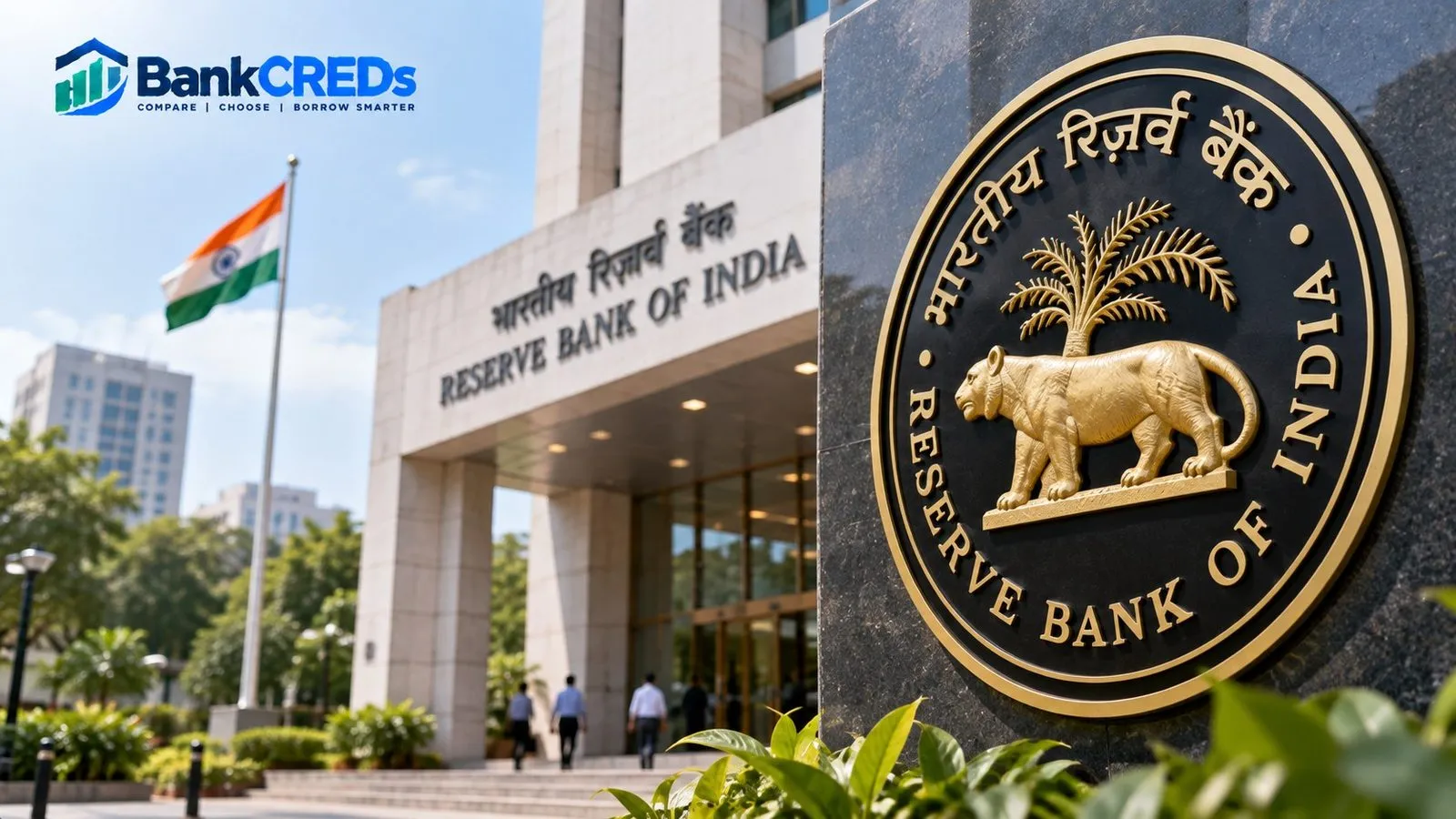
NBFCs are reworking their flexi loans after RBI curbs on revolving credit. This is as reported by Elets BFSI.
For you, it means flexi loans may look different soon. Limits, repayment rules and fees could change. Check the terms before you borrow.
Key takeaways
- NBFCs are redesigning flexi loans because of RBI curbs on revolving credit, according to Elets BFSI.
- Flexi loans let you draw, repay and draw again within a set limit.
- Exact new rules haven't been spelled out in the headline, so watch your lender's notices.
- You may face fixed repayments or tighter limits on re-borrowing.
- Borrow only what you need, and compare a flexi loan with a normal term loan.
How flexi loans work in simple terms
A flexi loan gives you a fixed limit, say ₹2,00,000. You can take money out when you need it. You can also put money back whenever you have spare cash. Interest runs only on the amount you've used.
That's why it feels a bit like a credit card. The limit keeps refilling as you repay. This is what we call revolving credit.
Regulators watch revolving credit closely. It can keep people in debt for years if they pay only small amounts. As reported, the RBI curbs are now pushing NBFCs to change how these loans are built. We don't yet know the full details. Lenders may share them in the coming weeks.
If you want a quick look at other quick-cash options, see our instant loan hub.
What changes for borrowers
The exact changes will depend on each lender. But here's a simple way to see why design matters. Assume an 18% yearly interest rate and a 30-day period.
| Option | Amount you pay interest on | Interest for 30 days |
|---|---|---|
| Flexi loan, ₹1,00,000 used | ₹1,00,000 | about ₹1,479 |
| Flexi loan, full ₹2,00,000 used | ₹2,00,000 | about ₹2,959 |
| Fixed loan of ₹2,00,000 | ₹2,00,000 | about ₹2,959 |
| Fixed loan of ₹1,00,000 | ₹1,00,000 | about ₹1,479 |
You can see the flexi loan wins only if you use less than the full limit. A fixed loan charges you on the whole amount from day one. If lenders cut your flexi limit or force set repayments, that edge may shrink.
You can test your own numbers with our EMI calculator.
Who is affected
Not every borrower will feel this the same way.
- Small business owners who draw and repay often may notice the biggest change.
- Salaried people who use a flexi limit for emergencies may see lower limits.
- New borrowers will get the redesigned product, not the old one.
- People who keep a large balance for months may face new repayment rules.
Existing borrowers should wait for a written notice from their lender. A lender can't just change your terms without telling you.
What to do now
You don't need to panic. A few calm steps will keep you safe.
- Read your loan agreement. Note your limit, your rate and any fees.
- Look for emails or SMS from your lender about product changes.
- Avoid drawing the full limit just because it's there.
- Compare a flexi loan with a term loan. Our personal loan guides can help.
- Make sure your lender is a registered NBFC on the RBI list.
If you plan to borrow soon, ask the lender how repayments will work under the new design. Get the answer in writing.
Frequently asked questions
What is a flexi loan?
It's a loan with a set limit that you can draw from and repay many times. You pay interest only on the amount you've used.
Will my existing flexi loan stop working?
The headline doesn't say that. Your lender should tell you in writing if your terms change. Keep checking your messages.
Is a flexi loan still a good idea?
It can be, if you need money in small parts and repay fast. If you need a lump sum once, a normal term loan may be simpler.
BankCreds analysis
The headline matters less than it sounds
A flexi loan is still a loan. Its main perk is paying interest only on what you use. A product redesign won't change that math overnight.
The real risk is for people who treated the limit like free cash. Take a household with a ₹1,50,000 limit that keeps ₹90,000 drawn for a year. At 18%, that's about ₹16,200 in interest. If a new rule forces fixed repayments, the monthly bill may rise. But the debt also shrinks faster.
Don't over-read this. Your existing loan does not vanish. Your lender must tell you before it changes your terms. This week, check your loan agreement and note your current limit. If you only need money once, a plain term loan may be cheaper and simpler.
This section is BankCreds' own assessment of what the development means for Indian borrowers and savers. It is independent commentary, not part of the source reporting above.
Sources & references
- Elets BFSI — originating report https://bfsi.eletsonline.com/rbi-nbfc-revolving-credit/
- RBI Master Directions — RBI sets the rules that NBFCs follow on lending products https://www.rbi.org.in/Scripts/BS_ViewMasDirections.aspx
- RBI list of registered NBFCs — Check that your lender is a registered NBFC https://www.rbi.org.in/Scripts/BS_NBFCList.aspx
Source links are shown as plain text, not clickable links. Copy a URL into your browser to read the original report.
Editorial note & disclaimer
How this was reported. The development above is attributed to the source or sources listed. BankCreds does not independently verify a third party's reporting; where a figure or a regulatory position is stated as fact, it is either attributed or drawn from the regulator's own published material. Everything under "BankCreds analysis" is our own assessment.
Rates and figures. Interest rates, per-gram values and premium bands quoted here are indicative, move daily, and differ by borrower profile, city and lender policy. Confirm the final number with the institution before you act on it — the sanction letter or policy schedule governs, not a news report.
Not financial advice. This article is general information for an Indian audience. It is not investment, tax, credit or insurance advice, takes no account of your circumstances, and BankCreds is not a lender, broker, distributor or advisor. Consider speaking to a SEBI-registered investment adviser or a qualified professional before acting.
Editorial policy · Fact-checking policy · Corrections policy · Our authors · About BankCreds · Contact us
Spotted an error? Corrections are published, not quietly edited — write to us via the contact page and see our corrections policy.