


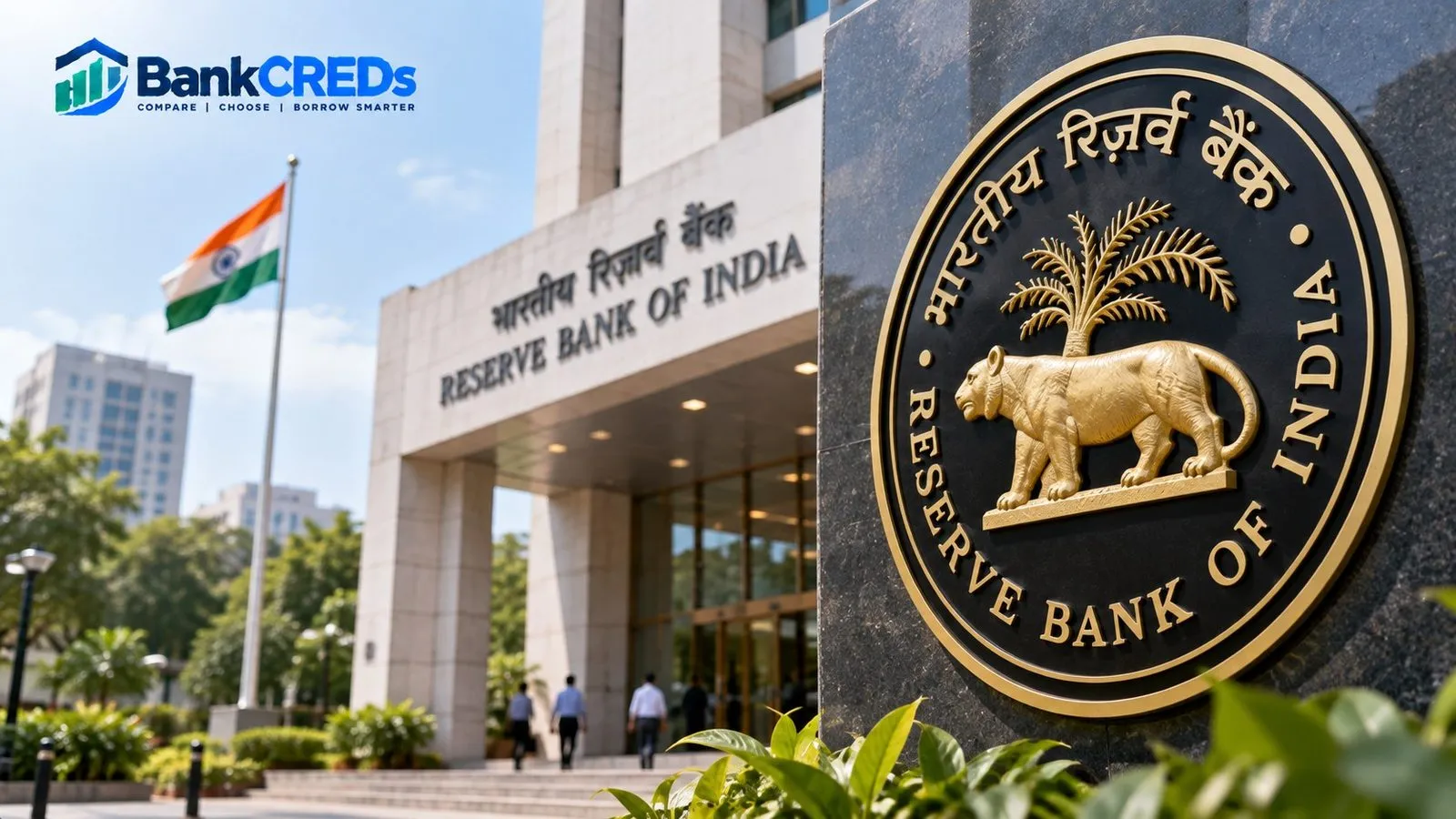
The Reserve Bank of India (RBI) has brought its cybersecurity rules into one place. It has also added new safeguards for non-bank payment firms, according to reporting by NDTV Profit. These are companies like wallet and payment app operators that aren't banks.
For you, this should mean stronger protection for money kept in wallets and payment apps. Nothing changes in your account today, and you don't need to do anything right now.
Key takeaways
- RBI has gathered its cybersecurity rules into one set, as reported by NDTV Profit.
- New safeguards target non-bank payment firms, such as wallet companies.
- Your money isn't suddenly safer overnight. Firms need time to follow the rules.
- Reporting fraud fast still protects you the most.
- Keep your OTP and PIN to yourself, always.
How the new cybersecurity rules work
Rules like this often sit in many separate circulars. A circular is just an official notice from RBI. When they're scattered, firms can miss one. A single combined set is easier to read and easier to check.
Non-bank payment firms hold your money or move it for you. Think of mobile wallets, payment gateways and similar services. They aren't banks, so they follow their own RBI rules.
The headline doesn't give the full details of the new safeguards. Such rules usually cover things like strong login checks, watching for odd activity and telling RBI about attacks. Check RBI's official notice for the exact list.
What changes for you as a wallet or app user
In the short run, you may notice little. Over time, you might see more login checks or alerts. Those small steps can stop a thief from using your account.
Here's a simple example. Riya keeps ₹5,000 in a wallet. A fraudster takes ₹2,000 without her sharing any OTP. RBI's customer protection rules generally say a quick report limits her loss. The timing matters a lot.
| When Riya reports | Likely loss on ₹2,000 | Note |
|---|---|---|
| Within 3 working days | ₹0 | Usually zero liability if the fault isn't hers |
| 4 to 7 working days | Part of ₹2,000 | Depends on the firm's approved policy |
| After 7 working days | Up to ₹2,000 | Decided by the firm's policy |
The exact limits can differ by product and firm. Read your wallet's terms to be sure.
Who is affected
Wallet users are the first group. If you top up a wallet for bills, rides or shopping, these rules are meant for you.
Small shops that use payment gateways are also affected. Their payment partner has to follow the stronger rules. That can mean fewer failed or hijacked payments.
People who use instant loan apps should care too. Many of them pay or get money through payment firms. If you want more stories like this, our news hub tracks RBI updates.
What to do now
You don't have to wait for the rules to take effect. Use this quick checklist today:
- Turn on app lock and transaction alerts in every wallet you use.
- Keep only the money you need in the wallet.
- Never share your OTP, PIN or card details, even with someone claiming to be support.
- Save the official helpline number from the app, not from a search result.
- Report any odd charge the same day you see it.
Also, delete wallets you no longer use. An old account with a weak password is an easy target.
Frequently asked questions
Does this RBI move affect my bank account?
The reporting says the new safeguards are for non-bank payment firms. Your bank follows its own RBI rules. Your savings aren't directly touched by this change.
Will my wallet money be safer now?
It should become better protected over time. But safety also depends on you. Don't share OTPs, and report fraud quickly.
When do the new rules start?
The headline doesn't say. Check RBI's official notices for dates. Your wallet app should also tell you about any changes.
BankCreds analysis
This is good news, but it's slow news. You won't see a change in your wallet app tomorrow. Firms need time to upgrade systems, and the real test is how well they follow the rules.
The biggest gain goes to people who keep small balances in wallets and use them every day. Think of a commuter who tops up ₹500 a week. A scam on that balance hurts, but quick reporting limits the damage. Rules help most when users act fast.
What this does not mean
It doesn't mean wallets are now fraud-proof. Scammers mostly trick people into sharing OTPs, and no rule stops that. The best safeguard is still you. Never share an OTP, and report a problem the same day you spot it.
This section is BankCreds' own assessment of what the development means for Indian borrowers and savers. It is independent commentary, not part of the source reporting above.
Sources & references
- NDTV Profit — originating report https://www.ndtvprofit.com/business/rbi-consolidates-cybersecurity-rules-prescribes-new-safeguards-for-non-bank-payment-firms-12297045
- RBI notifications and circulars — Where RBI publishes circulars and rules for payment firms https://www.rbi.org.in/Scripts/NotificationUser.aspx
- RBI Master Directions — Consolidated RBI directions on regulated entities https://www.rbi.org.in/Scripts/BS_ViewMasDirections.aspx
Source links are shown as plain text, not clickable links. Copy a URL into your browser to read the original report.
Editorial note & disclaimer
How this was reported. The development above is attributed to the source or sources listed. BankCreds does not independently verify a third party's reporting; where a figure or a regulatory position is stated as fact, it is either attributed or drawn from the regulator's own published material. Everything under "BankCreds analysis" is our own assessment.
Rates and figures. Interest rates, per-gram values and premium bands quoted here are indicative, move daily, and differ by borrower profile, city and lender policy. Confirm the final number with the institution before you act on it — the sanction letter or policy schedule governs, not a news report.
Not financial advice. This article is general information for an Indian audience. It is not investment, tax, credit or insurance advice, takes no account of your circumstances, and BankCreds is not a lender, broker, distributor or advisor. Consider speaking to a SEBI-registered investment adviser or a qualified professional before acting.
Editorial policy · Fact-checking policy · Corrections policy · Our authors · About BankCreds · Contact us
Spotted an error? Corrections are published, not quietly edited — write to us via the contact page and see our corrections policy.