


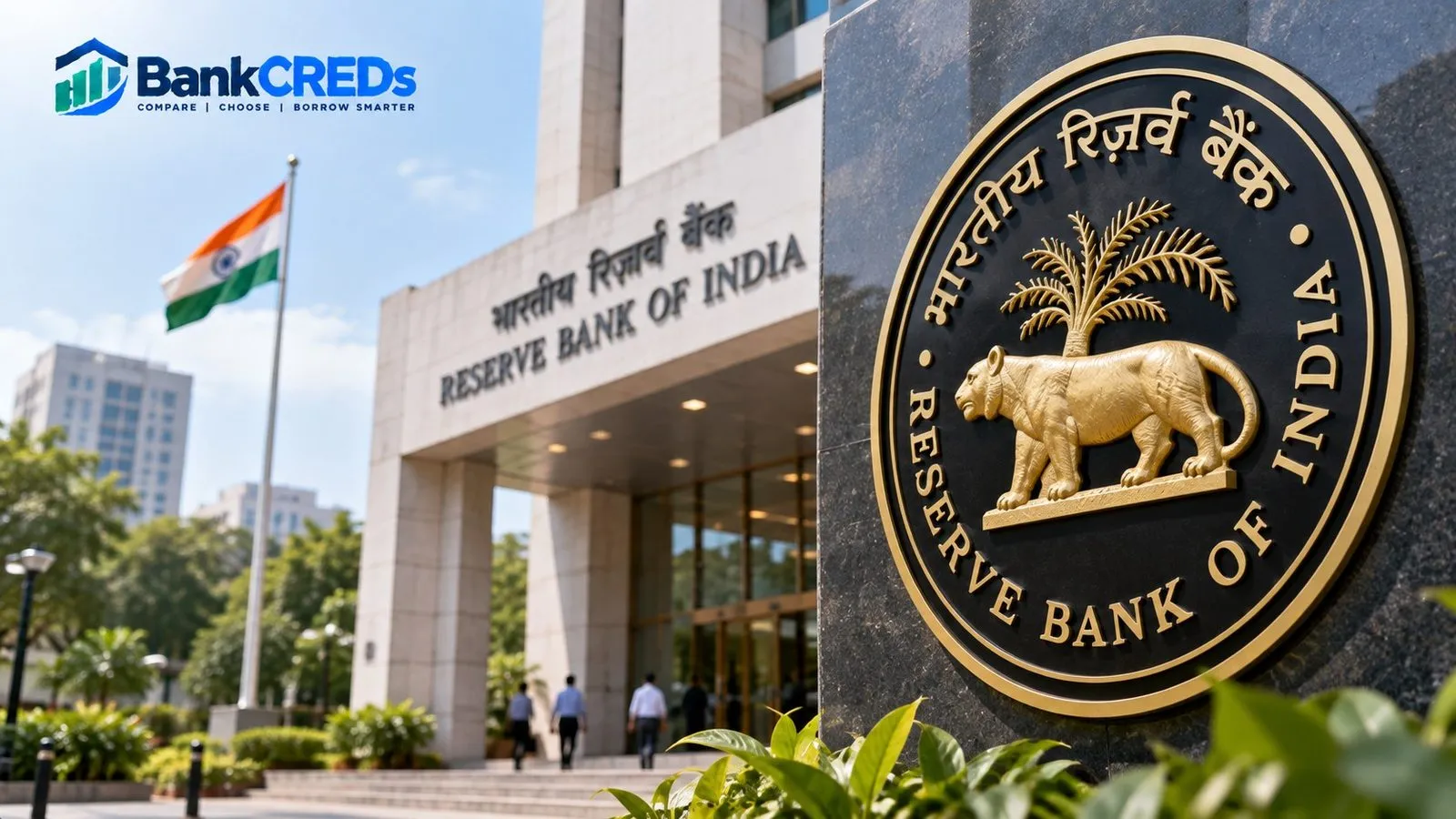
A senior RBI official says financial mis-selling often starts with sales targets, not with decisions made at the branch. This is according to reporting by Livemint on Deputy Governor Murmu's remarks.
For you, it means a friendly pitch at the bank counter may come from a monthly goal. Ask questions, read the terms and don't sign in a hurry.
Key takeaways
- Mis-selling often begins with sales goals set above the branch, as reported by Livemint.
- A pushy offer may serve the seller's target, not your need.
- You can always ask for the terms in writing and take time.
- Compare any new product with a plain deposit before you decide.
- Complaints can go to the bank first, then to the RBI.
How mis-selling starts, in simple terms
Mis-selling means a product is sold to someone it doesn't suit. The buyer may not understand it. The risks or costs may not be explained.
The official's point, as reported, is about the cause. Branch staff often don't choose what to push. Targets come from higher up. A worker who misses a target may face pressure. So the pitch gets louder, and the fine print gets quieter.
This is why the same worker can be kind and still sell you the wrong thing. The system rewards sales, not fit.
What it means for borrowers and savers
The risk is highest when you have fresh money or an urgent need. A matured deposit, a retirement payout or a loan approval can all trigger a pitch.
Here is a simple example. Say you have ₹5 lakh from a matured deposit. A fixed deposit at 7% a year, with yearly compounding, grows to about ₹9.8 lakh in 10 years. A 10-year plan sold in a rush may lock your money. If you leave early, you may get back less than you paid.
Borrowers face it too. A loan can come bundled with an insurance cover you didn't ask for. That adds to your cost. Use the EMI calculators to see what the extra cost does to your monthly payment.
| Option | Typical lock-in | If you exit early |
|---|---|---|
| Savings account | None | No loss of money |
| 5-year tax-saving FD | 5 years | Not allowed in most cases |
| Insurance-linked plan | 5 to 10 years | Often a charge or lower payout |
| Regular fixed deposit | 7 days to 10 years | Small interest penalty, often 0.5% to 1% |
Who is affected
Everyone who deals with a bank can be affected. Some groups face more risk.
- Senior citizens with a large payout
- First-time borrowers who don't know the terms
- Account holders who trust the branch staff
- People who need money fast and sign without reading
The pressure can be gentle. It may sound like advice. That's why it's easy to miss.
What to do now
You don't need to fear every offer. You just need a few habits.
- Ask, "Is this required, or is it optional?"
- Ask for the full cost, the lock-in and the exit charges.
- Ask for the terms in writing and read them at home.
- Compare with current deposit and loan rates on our interest rates page.
- Say no if you feel rushed. You can come back later.
If you're borrowing, our personal loan guides explain what to check before you accept an offer. For more updates like this, visit the news hub.
If you've already been mis-sold, write to the bank first and keep a copy. If you don't get a fair reply, you can take the complaint to the RBI's complaint system. For insurance products, IRDAI is the regulator to approach.
Frequently asked questions
What is mis-selling in banking?
It means selling a product that doesn't fit the buyer's need or risk. It also covers hiding costs or lock-ins. The buyer may not know what they signed.
Can a bank force me to buy insurance with a loan?
A bank shouldn't make an extra product a condition of your loan. If the cover is optional, you can say no. Ask for this in writing if you're unsure.
What should I do if I think I was mis-sold something?
Write to the bank's grievance team and keep a copy. Wait for their reply within the time they give. If it isn't solved, you can escalate to the RBI or IRDAI, based on the product.
BankCreds analysis
The remark is useful, but it doesn't change any rule for you today. It tells you where the pressure sits. A branch worker may be chasing a monthly goal. You carry the risk if the product doesn't suit you.
Take a retired person with ₹5 lakh from a matured deposit. A 10-year plan may be pitched as safe. A plain deposit at 7% would grow to roughly ₹9.8 lakh in 10 years. An early exit from a poor plan can return less than you paid. The gap can run into lakhs.
What this does not mean
It doesn't mean every bank offer is a trap. Many products are fair. Treat a push as a reason to slow down. It isn't a reason to say no. Ask for the written terms. Then take them home. A good product will still be there tomorrow.
This section is BankCreds' own assessment of what the development means for Indian borrowers and savers. It is independent commentary, not part of the source reporting above.
Sources & references
- Livemint — originating report https://www.livemint.com/money/personal-finance/blame-it-on-sales-targets-not-branch-decisions-rbi-dy-governor-murmu-explains-how-financial-mis-selling-starts-11795184274656.html
- Reserve Bank of India — RBI is the banking regulator that oversees how banks treat customers https://www.rbi.org.in/
- IRDAI — IRDAI regulates insurance products that banks often sell https://irdai.gov.in/
Source links are shown as plain text, not clickable links. Copy a URL into your browser to read the original report.
Editorial note & disclaimer
How this was reported. The development above is attributed to the source or sources listed. BankCreds does not independently verify a third party's reporting; where a figure or a regulatory position is stated as fact, it is either attributed or drawn from the regulator's own published material. Everything under "BankCreds analysis" is our own assessment.
Rates and figures. Interest rates, per-gram values and premium bands quoted here are indicative, move daily, and differ by borrower profile, city and lender policy. Confirm the final number with the institution before you act on it — the sanction letter or policy schedule governs, not a news report.
Not financial advice. This article is general information for an Indian audience. It is not investment, tax, credit or insurance advice, takes no account of your circumstances, and BankCreds is not a lender, broker, distributor or advisor. Consider speaking to a SEBI-registered investment adviser or a qualified professional before acting.
Editorial policy · Fact-checking policy · Corrections policy · Our authors · About BankCreds · Contact us
Spotted an error? Corrections are published, not quietly edited — write to us via the contact page and see our corrections policy.