


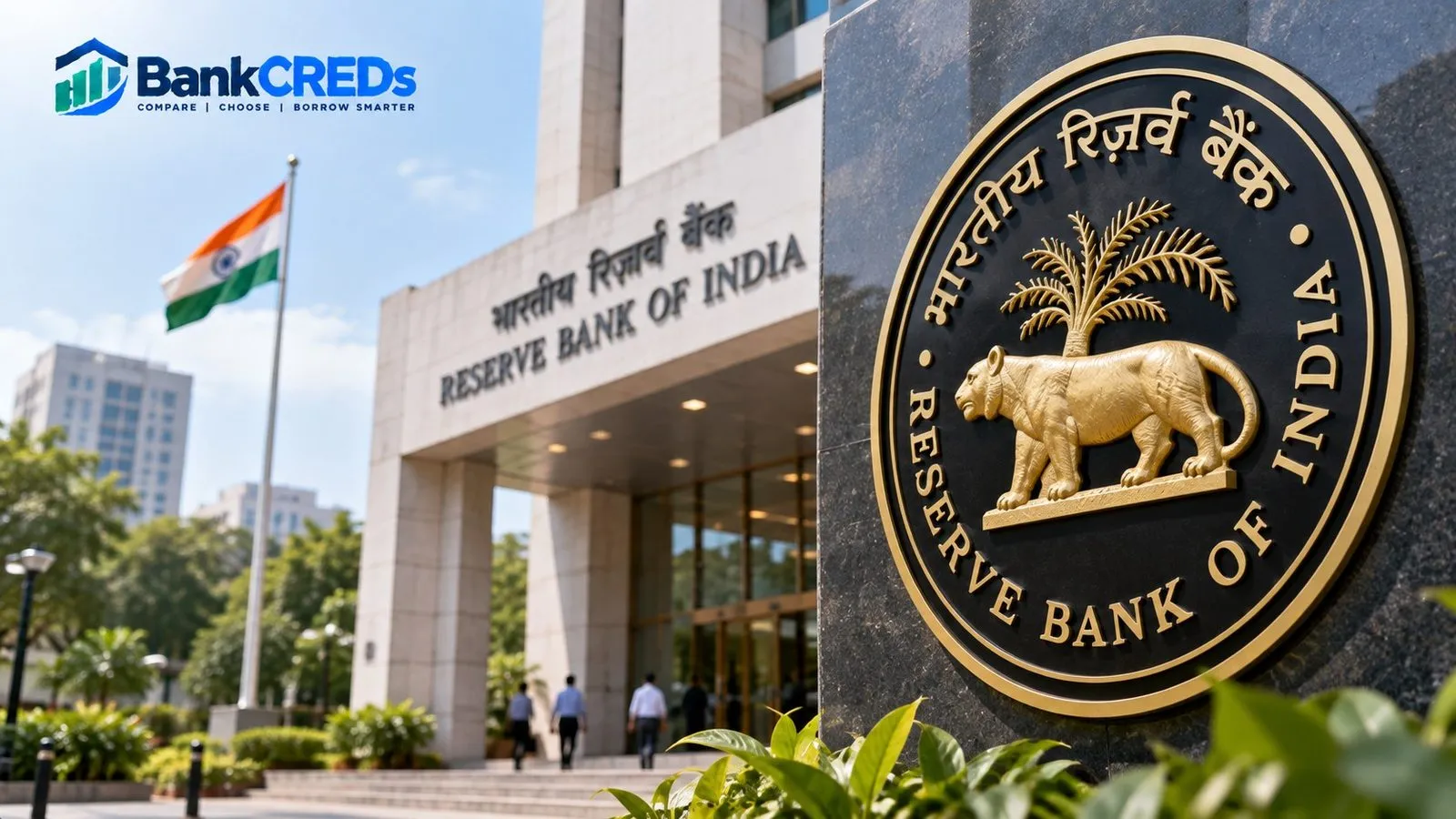
The Reserve Bank of India (RBI) has clarified the forex reporting rules for service imports and exports. This is according to reporting by CNBC TV18.
If you earn from clients abroad or pay for foreign services, this is about paperwork. It isn't a new tax or a rate change. Your bank may simply ask for clearer details on foreign payments.
Key takeaways
- The RBI has clarified how forex transactions for services are reported, as reported by CNBC TV18.
- It covers both services you sell abroad and services you buy from abroad.
- A clarification usually explains the rules better. It doesn't mean your costs jump.
- Freelancers, small exporters and firms that pay foreign vendors should check with their bank.
How forex reporting works in simple terms
Forex means foreign exchange, which is money in another country's currency. When an Indian person or firm sells a service abroad, that's a service export. Think of software work, design, consulting or support calls.
When an Indian firm buys a service from abroad, that's a service import. Think of a foreign cloud tool, an ad platform or an overseas consultant.
Banks that handle these payments are called authorised dealer banks. They record each foreign payment and report it to the RBI. This helps the country track how much foreign money comes in and goes out.
These records come from the Foreign Exchange Management Act, or FEMA. A clarification from the RBI usually explains how to fill or file them. It doesn't usually change the basic rule. The headline doesn't share the fine details, so wait for your bank's notice for exact steps.
What changes for freelancers and small businesses
The headline doesn't say what exactly changed. So treat this as a reminder to keep clean records. Here's a simple example with made-up numbers.
Say a designer in Pune bills a foreign client 500 dollars. At an assumed rate of 88 rupees per dollar, that's 44,000 rupees. Say the bank also charges 0.5% as a fee. That's 220 rupees.
| Item | Example figure |
|---|---|
| Invoice amount | 500 dollars |
| Assumed exchange rate | 88 rupees per dollar |
| Value in rupees | 44,000 rupees |
| Assumed bank fee at 0.5% | 220 rupees |
The fee here is only an example. Your bank's real charges may differ. The key point is that the money reaches you only after the bank has recorded the payment properly.
If a payment has unclear details, it can be held up. Clearer rules can help avoid that delay.
Who is affected
These groups should pay attention:
- Freelancers who get paid in dollars, pounds or euros.
- Small software and design firms that serve foreign clients.
- Businesses that pay for foreign software, ads or consulting.
- Banks and accountants who file these reports.
If you only use rupees and never deal with foreign payments, nothing changes for you. Your home loan, personal loan and savings stay as they are. You can still follow other money news on our news hub.
What to do now
You don't need to panic. A few small steps are enough:
- Ask your bank which details it needs for each foreign payment.
- Keep every invoice, contract and payment advice in one folder.
- Note the purpose of each payment in plain words.
- Check the RBI's official circulars before you act on any rumour.
- Talk to your chartered accountant if you handle large or regular foreign payments.
If you're a freelancer also planning a loan, lenders look at steady income. Neat records of foreign earnings can help. You can check where you stand with our eligibility check and compare options in the interest rates tables.
Frequently asked questions
Does this RBI clarification change my taxes?
Nothing in the headline points to a tax change. Forex reporting rules are about records, not about how much tax you pay.
Will my foreign payment be delayed?
It shouldn't be, if your details are complete. Clearer rules are meant to reduce confusion for banks and customers.
Do I need to do anything today?
No rush. Ask your bank about its required details. Keep your invoices ready. Read the official RBI notice when you can.
BankCreds analysis
This is a paperwork story, not a money story. Nothing in the headline says your rupee earnings or costs change.
Think of a freelancer in Pune who bills a client abroad 500 dollars a month. At about 88 rupees per dollar, that's 44,000 rupees. If the bank asks for one more detail on each payment, you lose a few minutes. You don't lose money.
What not to read into it
Don't assume a new tax, a new limit or a ban. A clarification usually removes confusion that already existed.
The real winners are small exporters who faced delays because banks and customers read the rules differently. Clearer rules can mean fewer rejected or held payments.
This week, just keep your invoices tidy and ask your bank one question. Ask which details it needs for each foreign payment. Then wait for the actual circular before changing anything.
This section is BankCreds' own assessment of what the development means for Indian borrowers and savers. It is independent commentary, not part of the source reporting above.
Sources & references
- CNBC TV18 — originating report https://www.cnbctv18.com/economy/indian-central-bank-clarifies-forex-reporting-rules-for-service-imports-exports-20038705.htm
- RBI notifications and circulars — where RBI publishes its forex circulars and clarifications https://www.rbi.org.in/Scripts/NotificationUser.aspx
- Reserve Bank of India — central bank that regulates foreign exchange dealings through authorised banks https://www.rbi.org.in/
Source links are shown as plain text, not clickable links. Copy a URL into your browser to read the original report.
Editorial note & disclaimer
How this was reported. The development above is attributed to the source or sources listed. BankCreds does not independently verify a third party's reporting; where a figure or a regulatory position is stated as fact, it is either attributed or drawn from the regulator's own published material. Everything under "BankCreds analysis" is our own assessment.
Rates and figures. Interest rates, per-gram values and premium bands quoted here are indicative, move daily, and differ by borrower profile, city and lender policy. Confirm the final number with the institution before you act on it — the sanction letter or policy schedule governs, not a news report.
Not financial advice. This article is general information for an Indian audience. It is not investment, tax, credit or insurance advice, takes no account of your circumstances, and BankCreds is not a lender, broker, distributor or advisor. Consider speaking to a SEBI-registered investment adviser or a qualified professional before acting.
Editorial policy · Fact-checking policy · Corrections policy · Our authors · About BankCreds · Contact us
Spotted an error? Corrections are published, not quietly edited — write to us via the contact page and see our corrections policy.