


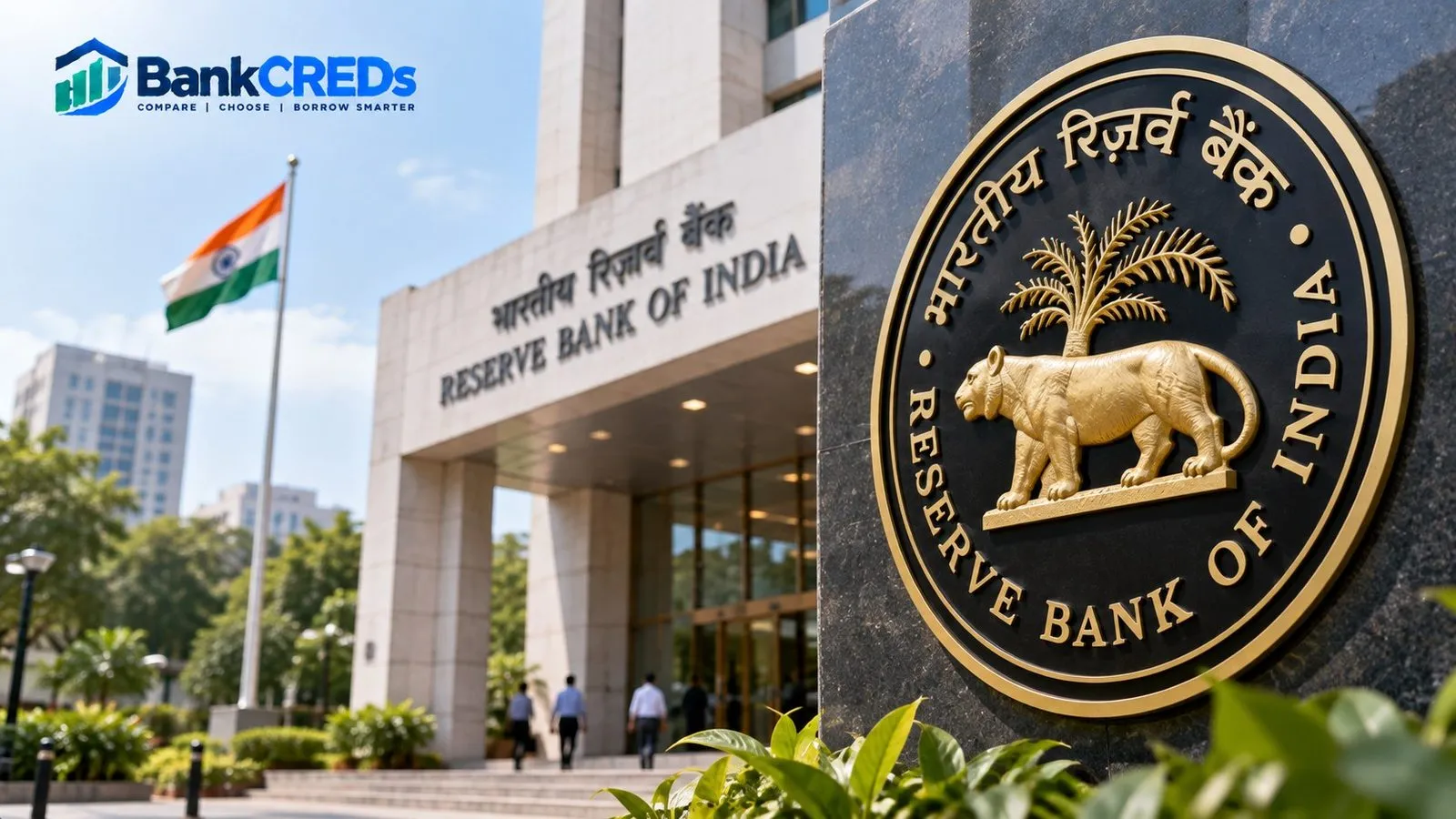
The Reserve Bank of India has given a no-objection certificate (NoC) to the PFC-REC merger plan. This is according to BusinessLine. A NoC is a written go-ahead. It means the regulator doesn't object to the plan.
If you're a regular borrower or saver, nothing changes for you today. Your bank loan, EMI and fixed deposit stay as they are. The news matters more if you hold bonds or shares in these firms.
Key takeaways
- RBI has reportedly cleared the PFC-REC merger with a no-objection certificate.
- A NoC is a go-ahead, but it isn't the end of the process.
- Your home loan, personal loan and bank FD aren't directly affected.
- Bondholders and shareholders should wait for official company notices.
How the PFC-REC merger works in simple terms
PFC and REC are both government-controlled finance companies. They mainly lend money to power and infrastructure projects. They are not banks. They are non-banking finance companies, or NBFCs, and RBI regulates them.
A merger means two companies become one. Their loans, assets and staff move into a single firm. Shareholders usually get shares in the new firm in some agreed ratio.
The NoC is one step in the path. Other approvals may still be needed before the merger is complete. The headline doesn't tell us the timeline or the terms. So we won't guess at them.
What changes for borrowers and savers
Very little changes for ordinary households. Your EMI, or equated monthly instalment, depends on your own lender's rate. It also depends on the repo rate, which is the rate RBI charges banks.
Here's a simple example. Say you borrow ₹5 lakh at 10% for five years. Your EMI is about ₹10,624. A merger of two power-sector lenders doesn't change that figure. You can test your own numbers with our EMI calculator.
Savers are in a similar spot. Bank FDs carry deposit insurance up to a limit. Bonds from finance companies work differently. They depend on the issuer's strength.
The table below shows what a bond holder earns each year. These are example numbers, not actual PFC or REC rates.
| Amount invested | Example yearly rate | Yearly interest |
|---|---|---|
| ₹1,00,000 | 7.0% | ₹7,000 |
| ₹1,00,000 | 7.5% | ₹7,500 |
| ₹1,00,000 | 8.0% | ₹8,000 |
| ₹5,00,000 | 7.5% | ₹37,500 |
A merger doesn't change the interest printed on a bond you already hold. The promised rate stays the same. What can change over time is how the market sees the issuer's strength.
Who is affected by the merger news
Not everyone is touched in the same way. Here's a quick look:
- Bondholders: Your bond's rate and dates stay fixed. Watch for notices from the issuer.
- Shareholders: The share swap terms matter most to you. Read the official announcements.
- Power-sector borrowers: You may deal with one lender in future instead of two.
- Bank customers: Your loan and deposits aren't directly affected.
What to do now
You don't need to rush. A calm, short checklist is enough:
- Check if you hold any PFC or REC bonds or shares.
- If you do, watch for official notices from the companies and stock exchanges.
- Don't buy or sell based on a headline alone.
- Keep an eye on your own loan rate. See the latest interest rates.
- If you plan to borrow soon, compare offers in our personal loan guides.
For more stories like this, visit our news hub.
Frequently asked questions
What is a no-objection certificate from RBI?
It's a written approval saying RBI has no objection to a plan. It doesn't mean every other approval is done.
Will my loan EMI change because of the PFC-REC merger?
No, it's very unlikely. Your EMI depends on your own lender's rate and the repo rate. These two firms mostly lend to power projects.
Should I buy or sell PFC or REC bonds now?
Don't decide on one headline. Read the official company notices first. If you're unsure, talk to a SEBI-registered adviser.
BankCreds analysis
This is big news for the power-finance sector. For most households, it's small news.
Think of a salaried person with a ₹5 lakh personal loan at 10% over five years. The EMI is about ₹10,624 a month. A merger between two government-linked lenders won't change that number. Your loan rate follows your own lender and the repo rate, not this deal.
Who should pay attention
Bondholders and shareholders have the most to watch. Over-reading is the real risk here. A NoC is a go-ahead from one regulator, not a finished merger. Wait for the company's own notices before you buy or sell anything. If you hold neither, you can safely move on. Keep your focus on your own EMI and savings plan.
This section is BankCreds' own assessment of what the development means for Indian borrowers and savers. It is independent commentary, not part of the source reporting above.
Sources & references
- BusinessLine — originating report https://www.thehindubusinessline.com/companies/rbi-gives-noc-to-pfc-rec-merger/article71591605.ece
- Reserve Bank of India — RBI keeps the list of registered NBFCs, which it regulates https://www.rbi.org.in/Scripts/BS_NBFCList.aspx
- RBI Master Directions — RBI rules for NBFCs, including mergers and amalgamations https://www.rbi.org.in/Scripts/BS_ViewMasDirections.aspx
Source links are shown as plain text, not clickable links. Copy a URL into your browser to read the original report.
Editorial note & disclaimer
How this was reported. The development above is attributed to the source or sources listed. BankCreds does not independently verify a third party's reporting; where a figure or a regulatory position is stated as fact, it is either attributed or drawn from the regulator's own published material. Everything under "BankCreds analysis" is our own assessment.
Rates and figures. Interest rates, per-gram values and premium bands quoted here are indicative, move daily, and differ by borrower profile, city and lender policy. Confirm the final number with the institution before you act on it — the sanction letter or policy schedule governs, not a news report.
Not financial advice. This article is general information for an Indian audience. It is not investment, tax, credit or insurance advice, takes no account of your circumstances, and BankCreds is not a lender, broker, distributor or advisor. Consider speaking to a SEBI-registered investment adviser or a qualified professional before acting.
Editorial policy · Fact-checking policy · Corrections policy · Our authors · About BankCreds · Contact us
Spotted an error? Corrections are published, not quietly edited — write to us via the contact page and see our corrections policy.