


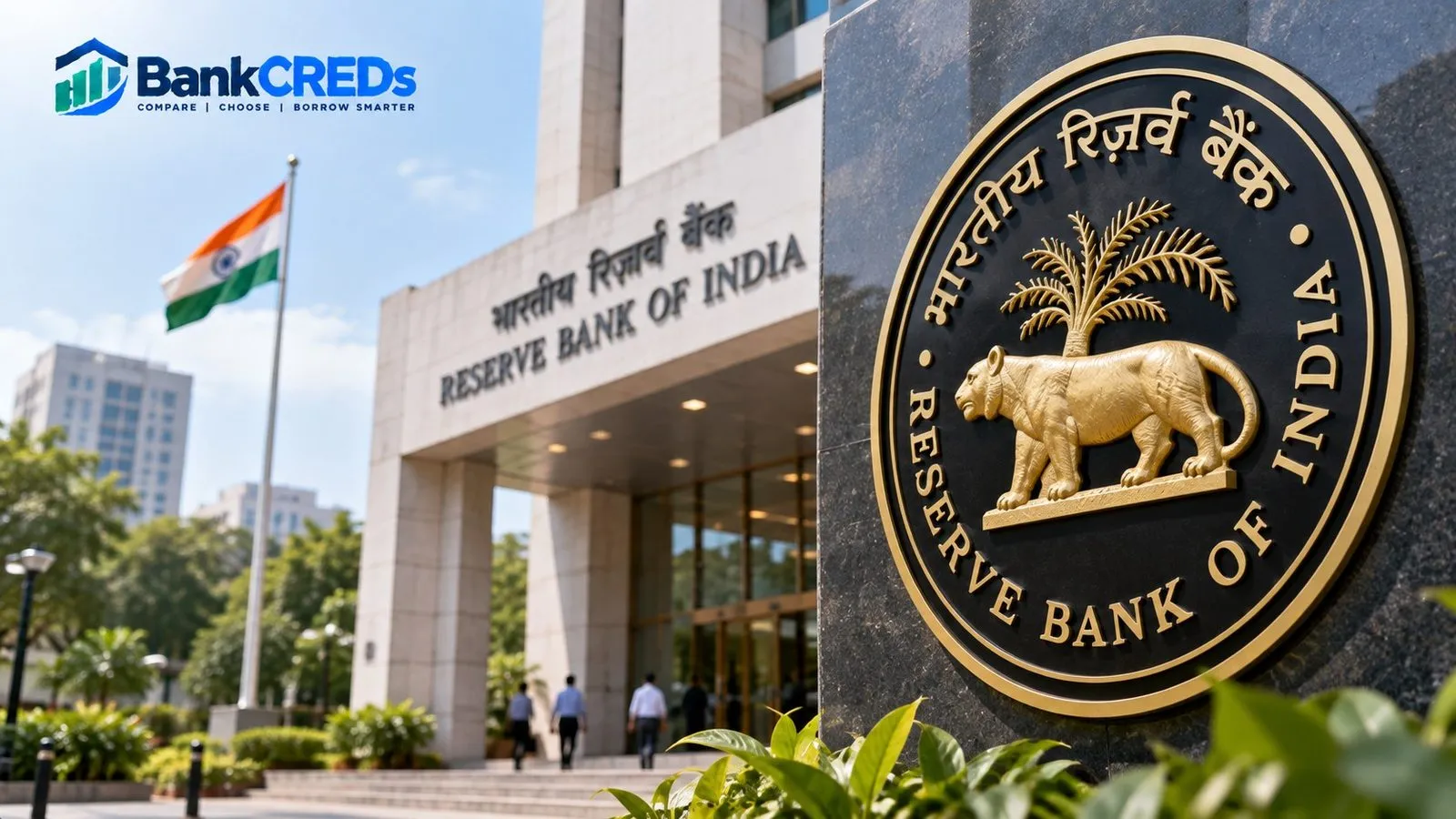
India Today reports that the PM has inaugurated two new RBI facilities in Odisha. They are a Rs 169-crore data centre and a cybersecurity institute.
Your loan rates, EMIs and deposit interest won't change because of this. The aim is safer, steadier banking systems. Over time, that helps protect your money and your personal data.
Key takeaways
- The RBI now has a new data centre and a cybersecurity institute in Odisha, as reported.
- This is about system safety and staff skills. It's not a rate decision.
- Your EMI and your FD rate stay exactly where they were.
- Fraud rules still decide who pays when money is stolen, so report fast.
- Use this news as a nudge to tighten your own digital habits.
What a data centre and a cybersecurity institute do
A data centre is a secure building full of computers. It stores records and runs systems that must never go down. Think of it as a very safe digital vault with backup power.
A cybersecurity institute is a place for training and research. It teaches people how to spot online attacks and stop them. Banks, regulators and payment firms all need these skills.
The headline doesn't tell us how the RBI will use each facility. We also don't know when they will start full work. So treat the finer details as still to come.
How this can matter for your money
Banking today runs on computers. UPI payments, card swipes and net banking all need systems that stay online. When those systems fail or get hacked, customers feel it fast.
Stronger national systems and better trained staff can lower that risk. They can't remove it. Most frauds still start with a trick played on an ordinary person.
Here's a simple example. Say Rs 20,000 leaves your savings account through a hack that wasn't your fault. If you tell the bank within three working days, RBI rules say you lose nothing. Wait longer, and your share can grow.
| When you report | Your liability | On a Rs 20,000 loss (savings account) |
|---|---|---|
| Within 3 working days | Zero | Rs 0 |
| 4 to 7 working days | Capped by account type | Up to Rs 10,000 |
| After 7 working days | Set by your bank's own policy | Depends on the bank |
The caps above apply when the fault lies with neither you nor the bank. If you shared your OTP, the rules treat it differently. Check your bank's policy for the exact terms.
Who is affected
Nearly every bank customer is touched, but only in a quiet way. You won't see a new form or a new fee.
The people who gain most are first-time digital users and senior citizens. They are often the targets of phone scams. Small shopkeepers who live on UPI also gain from steadier systems.
Bank and NBFC staff may benefit too, if the institute opens its training to them. That's not confirmed in the headline, so wait for official word.
What to do now
You don't need to act because of the building. You can still use the moment to protect yourself. Try this short checklist:
- Turn on SMS and email alerts for every transaction.
- Never share your OTP, PIN or CVV, even with a caller who says they're from the bank.
- Set a daily UPI limit that fits your real needs.
- Save your bank's helpline number from its official website.
- If money goes missing, call the bank at once and note the complaint number.
To confirm nothing has changed for your loans or deposits, check the latest interest rates. You can follow more updates like this in our news hub.
Frequently asked questions
Will this RBI data centre change my EMI or loan rate?
No. Rates come from RBI policy decisions and bank pricing. A data centre doesn't set either of them.
Does this make my bank account safer from fraud?
It may help at the system level over time. Your own care with OTPs and links still matters most.
What should I do if I lose money to an online fraud?
Call your bank right away and ask them to block the account or card. Report it within three working days to keep your liability at zero.
BankCreds analysis
This news is smaller for your wallet than the headline suggests. Rs 169 crore is a modest sum for a central bank. It won't move any rate or fee you pay.
The real value is long term. Picture a family that pays a Rs 15,000 EMI by auto-debit each month. A long bank outage on the due date can cause a bounced payment. Banks usually fix this, but a late fee still hurts. Stronger backup systems make such days rarer. Most readers will never notice the change.
What not to read into it
A new institute doesn't make you safe from scams. Fraudsters target people, not data centres. Your own habits remain your best defence this week. Check your alert settings and your daily UPI limit today.
This section is BankCreds' own assessment of what the development means for Indian borrowers and savers. It is independent commentary, not part of the source reporting above.
Sources & references
- India Today — originating report https://www.indiatoday.in/india/story/rbi-data-centre-bhubaneswar-modi-cybersecurity-training-institute-ptag-3024741-2026-10-25
- RBI notifications and circulars — Supports the RBI rule on customer liability for unauthorised transactions https://www.rbi.org.in/Scripts/NotificationUser.aspx
- Press Information Bureau — Official government releases on inaugurations https://www.pib.gov.in/
Source links are shown as plain text, not clickable links. Copy a URL into your browser to read the original report.
Editorial note & disclaimer
How this was reported. The development above is attributed to the source or sources listed. BankCreds does not independently verify a third party's reporting; where a figure or a regulatory position is stated as fact, it is either attributed or drawn from the regulator's own published material. Everything under "BankCreds analysis" is our own assessment.
Rates and figures. Interest rates, per-gram values and premium bands quoted here are indicative, move daily, and differ by borrower profile, city and lender policy. Confirm the final number with the institution before you act on it — the sanction letter or policy schedule governs, not a news report.
Not financial advice. This article is general information for an Indian audience. It is not investment, tax, credit or insurance advice, takes no account of your circumstances, and BankCreds is not a lender, broker, distributor or advisor. Consider speaking to a SEBI-registered investment adviser or a qualified professional before acting.
Editorial policy · Fact-checking policy · Corrections policy · Our authors · About BankCreds · Contact us
Spotted an error? Corrections are published, not quietly edited — write to us via the contact page and see our corrections policy.