


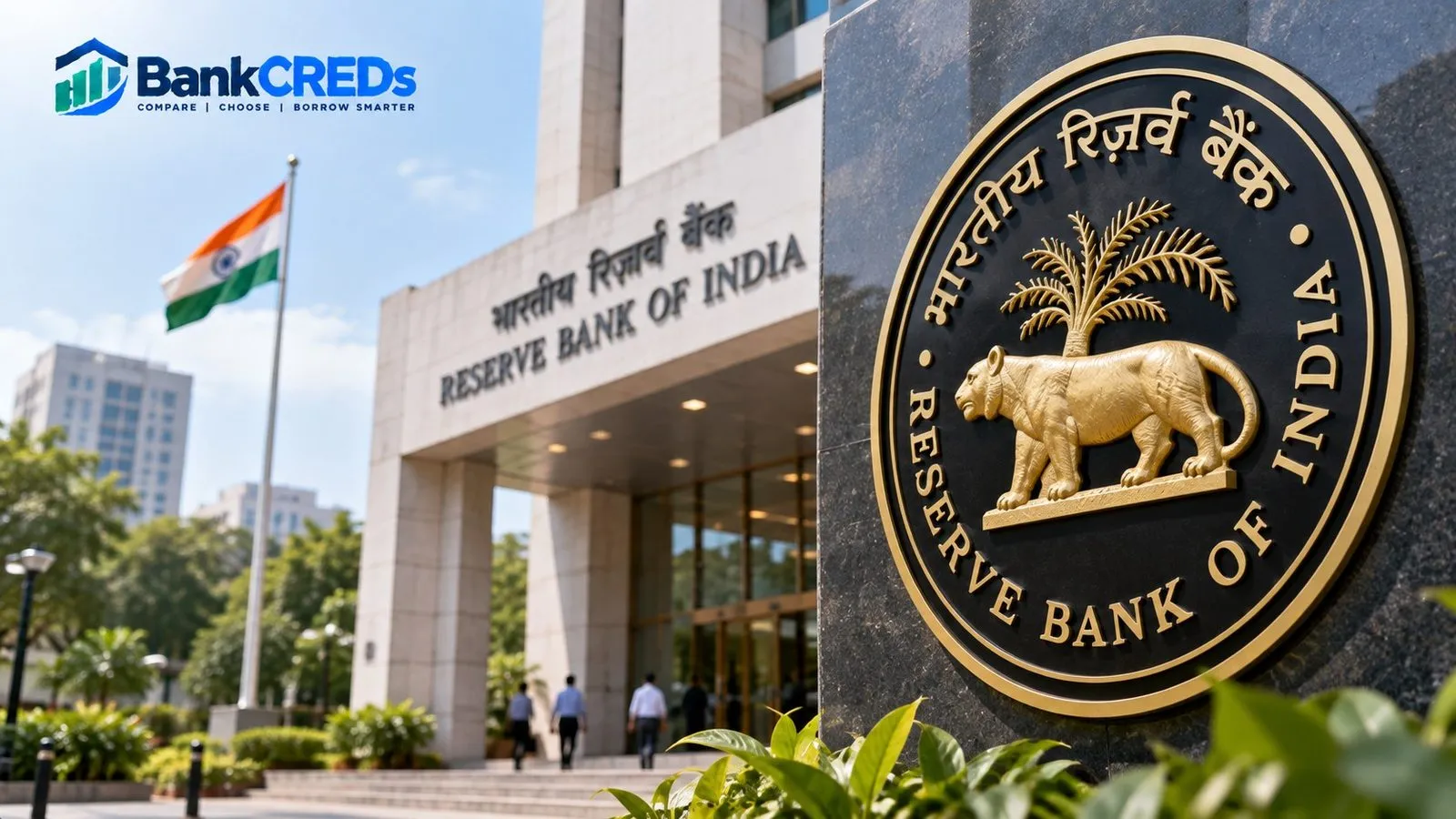
The Economic Times reports a new Reserve Bank of India data centre in Bhubaneswar. Prime Minister Narendra Modi is set to inaugurate it. It's a back-end facility, so you won't see it in your bank app.
The short answer for you is simple. Your loan rate, EMI and deposit interest don't change because of this. It's about keeping the banking system's computers safe and running.
Key takeaways
- A Modi-led inauguration of an RBI data centre in Bhubaneswar was reported by The Economic Times.
- A data centre is behind-the-scenes infrastructure. It doesn't set interest rates.
- Your EMI and savings rate won't change because of this news.
- Stronger systems can mean fewer outages in the long run.
- Rate decisions and your credit score still matter far more for your money.
What is a data centre, in simple terms?
Think of a data centre as a very secure, very large storeroom for computers. These machines hold and process information. They also keep copies, so work can continue if one site has a problem.
The RBI is India's central bank. It oversees banks and the systems that move money around the country. Those systems need strong computers behind them.
The report we have is based on the headline only. We don't have details like the centre's size or cost. We also don't know which services it will support. We won't guess at those. When The Economic Times or the RBI shares more, we'll update you.
What changes for borrowers and savers?
In day-to-day terms, almost nothing. A data centre doesn't decide your loan rate. That job belongs to the RBI's rate decisions and to your bank's own pricing.
Here's a worked example. Say you have a ₹5 lakh personal loan for three years. The table shows how your EMI (the fixed monthly payment) changes with the loan rate. These are rough figures.
| Loan rate | Monthly EMI | Total interest over 3 years |
|---|---|---|
| 11% | about ₹16,367 | about ₹89,200 |
| 12% | about ₹16,607 | about ₹97,900 |
| 13% | about ₹16,841 | about ₹106,300 |
See the pattern? One percentage point changes your EMI by roughly ₹240 a month. That's what moves your budget. A new data centre isn't on this list.
You can test your own numbers with the EMI calculator. To compare current offers, check the interest rate tables.
Who is affected by this news?
In the short term, hardly anyone sees a difference. Over time, anyone who uses digital banking may benefit a little.
- Everyday savers and UPI users: Stronger systems help payments go through smoothly.
- Borrowers: Loan approvals and EMI debits depend on working systems. Fewer breakdowns help you.
- Banks and lenders: They rely on RBI systems, so a safer backbone helps them too.
- People in Odisha: A major national facility in Bhubaneswar may bring attention and jobs to the region. We don't have figures, so treat that as a possibility only.
What should you do now?
Nothing urgent. This news doesn't need action from you. But it's a good moment to tidy up your own money habits.
- Check that your EMI date matches your salary date, so debits don't bounce.
- Keep your phone number and email updated with your bank.
- Read your loan statement once a quarter.
- Watch real rate news in our news hub instead of worrying about infrastructure stories.
- Use the eligibility check before you apply for any new loan.
Also, be careful with messages that use this news as bait. Fraudsters often ride on big headlines. The RBI doesn't ask for your OTP, PIN or card number. Never share them with anyone.
Frequently asked questions
Will the RBI data centre change my home loan or personal loan EMI?
No. EMIs follow the loan rate, which depends on RBI rate decisions and your lender's pricing. A data centre doesn't set either of them.
Why does the RBI need a data centre?
The RBI runs and oversees important systems for banks and payments. Those systems need secure computers and backups. A data centre provides that kind of base.
Do I need to do anything because of this news?
No. You don't need to visit your bank or update anything. Just keep your contact details current and never share OTPs.
BankCreds analysis
This is a quiet story with a loud headline. A data centre is plumbing, not policy. It won't change what you pay or earn.
Take a salaried borrower with a ₹5 lakh personal loan at 12% for three years. The EMI is about ₹16,607 and stays that way. Only a repo rate change or a new loan offer would shift it.
What to avoid reading into it
Don't expect cheaper loans or higher deposit rates because of this. Don't expect your bank to change anything this week.
The real value shows up on a bad day. If a system fails, a strong backup means your payments recover faster. That's worth knowing, but it's a slow benefit. Keep your focus on rates, your credit score and your own EMI budget.
This section is BankCreds' own assessment of what the development means for Indian borrowers and savers. It is independent commentary, not part of the source reporting above.
Sources & references
- The Economic Times — originating report https://m.economictimes.com/industry/banking/finance/banking/pm-modi-to-inaugurate-rbis-data-centre-in-bhubaneswar/amp_articleshow/135183099.cms
- Reserve Bank of India — RBI's role as the regulator of banks and payment systems https://www.rbi.org.in/
Source links are shown as plain text, not clickable links. Copy a URL into your browser to read the original report.
Editorial note & disclaimer
How this was reported. The development above is attributed to the source or sources listed. BankCreds does not independently verify a third party's reporting; where a figure or a regulatory position is stated as fact, it is either attributed or drawn from the regulator's own published material. Everything under "BankCreds analysis" is our own assessment.
Rates and figures. Interest rates, per-gram values and premium bands quoted here are indicative, move daily, and differ by borrower profile, city and lender policy. Confirm the final number with the institution before you act on it — the sanction letter or policy schedule governs, not a news report.
Not financial advice. This article is general information for an Indian audience. It is not investment, tax, credit or insurance advice, takes no account of your circumstances, and BankCreds is not a lender, broker, distributor or advisor. Consider speaking to a SEBI-registered investment adviser or a qualified professional before acting.
Editorial policy · Fact-checking policy · Corrections policy · Our authors · About BankCreds · Contact us
Spotted an error? Corrections are published, not quietly edited — write to us via the contact page and see our corrections policy.