


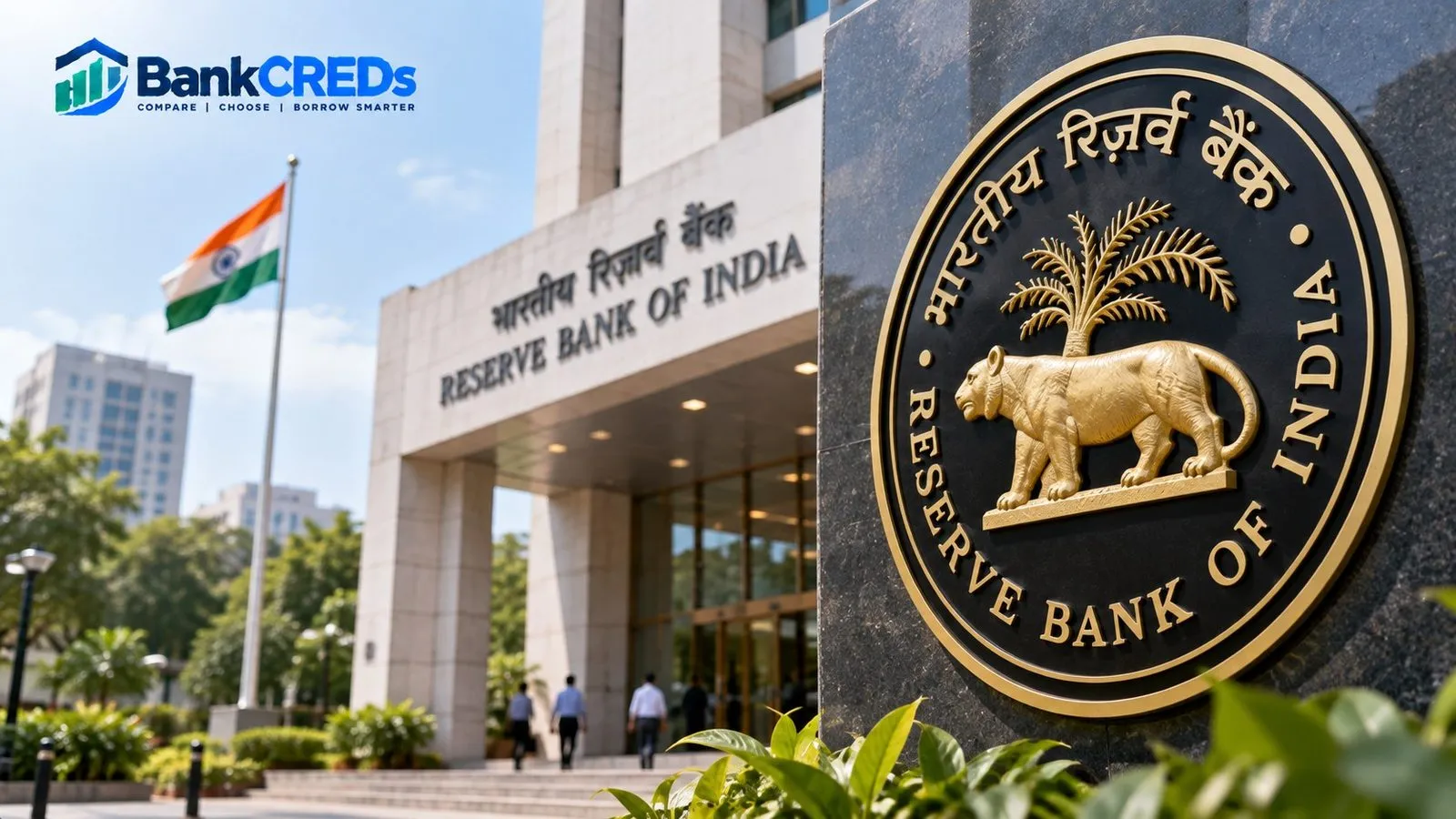
Gulf News has reported on an RBI rule of Rs 1 million. It applies when people in the UAE pay for services in India. Rs 1 million is the same as Rs 10 lakh. If you send money home for services, the size of the payment may matter.
In short, smaller payments are usually simple. Bigger ones may need more checks and papers. We only know the headline details, so confirm the exact rule with your bank before you pay.
Key takeaways
- Gulf News says an RBI rule of Rs 1 million (Rs 10 lakh) affects service payments. These are payments made from the UAE to India.
- Small payments are usually easy, but large ones may need more checks.
- Keep invoices, contracts and proof of the service ready.
- Ask your bank about the exact limit and papers before sending money.
- Plan big bills in stages instead of one huge transfer.
How the Rs 10 lakh rule works
The RBI is India's central bank. It sets the rules for how money moves in and out of the country. Banks and payment firms follow those rules when you send money across borders.
A limit like Rs 10 lakh is a line for extra care. Below it, a payment may go through with basic checks. Above it, the bank may ask why you're paying and who you're paying.
The exact steps depend on the type of payment and the route you use. As reported, the rule is about paying for services. That could mean fees, repairs, medical bills or professional work done in India.
What it means in rupees
Let's see what Rs 10 lakh looks like in dirhams. The rate changes every day, so we'll use an example of 1 dirham = Rs 24. This is only for illustration.
| Amount in rupees | Approx. dirhams (at Rs 24) | Is it near the Rs 10 lakh line? |
|---|---|---|
| Rs 50,000 | AED 2,083 | Far below |
| Rs 2,00,000 | AED 8,333 | Below |
| Rs 5,00,000 | AED 20,833 | Halfway |
| Rs 10,00,000 | AED 41,667 | At the line |
So a payment of about AED 41,700 would reach the line in this example. Most monthly service bills sit well under that. A big project is where you might cross it.
Who is affected
The main group is Indians living in the UAE who pay for work back home. This could be a hospital bill for a parent. It could also be school fees, legal work or repairs on a family flat.
Service providers in India are affected too. Say you run a small business and bill clients in the UAE. They may face extra steps on large invoices. Clear invoices help both sides.
People paying small monthly bills are least likely to notice any change. Still, it helps to know where the line sits.
What to do now
A little planning keeps your payment smooth. Follow these steps before you send a large amount.
- Ask your bank or transfer provider about the exact limit for service payments.
- Get a proper invoice that names the service, the amount and the receiver.
- Keep proof of the work, such as a contract or a bill.
- Check if the bill can be paid in clear stages.
- Save every receipt for later.
Don't borrow just to meet a deadline without comparing costs. If you need a loan, read our personal loan guides first. You can also follow rule changes in our news hub.
Frequently asked questions
Does the Rs 10 lakh rule apply to every payment from the UAE?
Not necessarily. As reported, it relates to paying for services in India. Check with your bank about your exact payment type.
Is Rs 10 lakh the same as Rs 1 million?
Yes. One million rupees equals ten lakh rupees. Indian banks usually write it as Rs 10,00,000.
Should I split a big payment to stay under the limit?
No. Splitting only to avoid checks can raise red flags. Plan real stages tied to the work, and talk to your bank.
BankCreds analysis
What this really changes
For most families, very little. A Rs 10 lakh limit sounds big. Most service bills in India are far smaller than that.
The people who feel it are those paying for one large job. Think of a big home renovation, a long hospital stay or a full year of school fees. For them, planning ahead saves real stress.
Here's a simple example. Say you owe Rs 12 lakh for a renovation. Paying it in one go could draw extra checks. Agreeing on stage payments, such as Rs 4 lakh three times, keeps each step clean. It also gives you a paper trail.
Don't over-read this headline. It doesn't mean your money is blocked. It means big payments need neat records. Don't split a payment just to dodge a check, because banks watch for that. Ask your bank first.
This section is BankCreds' own assessment of what the development means for Indian borrowers and savers. It is independent commentary, not part of the source reporting above.
Sources & references
- Gulf News — originating report https://gulfnews.com/business/markets/paying-for-services-in-india-from-the-uae-how-rbis-rs1-million-rule-works-1.500757146
- RBI notifications and circulars — Where RBI publishes rules and circulars on cross-border payments https://www.rbi.org.in/Scripts/NotificationUser.aspx
Source links are shown as plain text, not clickable links. Copy a URL into your browser to read the original report.
Editorial note & disclaimer
How this was reported. The development above is attributed to the source or sources listed. BankCreds does not independently verify a third party's reporting; where a figure or a regulatory position is stated as fact, it is either attributed or drawn from the regulator's own published material. Everything under "BankCreds analysis" is our own assessment.
Rates and figures. Interest rates, per-gram values and premium bands quoted here are indicative, move daily, and differ by borrower profile, city and lender policy. Confirm the final number with the institution before you act on it — the sanction letter or policy schedule governs, not a news report.
Not financial advice. This article is general information for an Indian audience. It is not investment, tax, credit or insurance advice, takes no account of your circumstances, and BankCreds is not a lender, broker, distributor or advisor. Consider speaking to a SEBI-registered investment adviser or a qualified professional before acting.
Editorial policy · Fact-checking policy · Corrections policy · Our authors · About BankCreds · Contact us
Spotted an error? Corrections are published, not quietly edited — write to us via the contact page and see our corrections policy.