


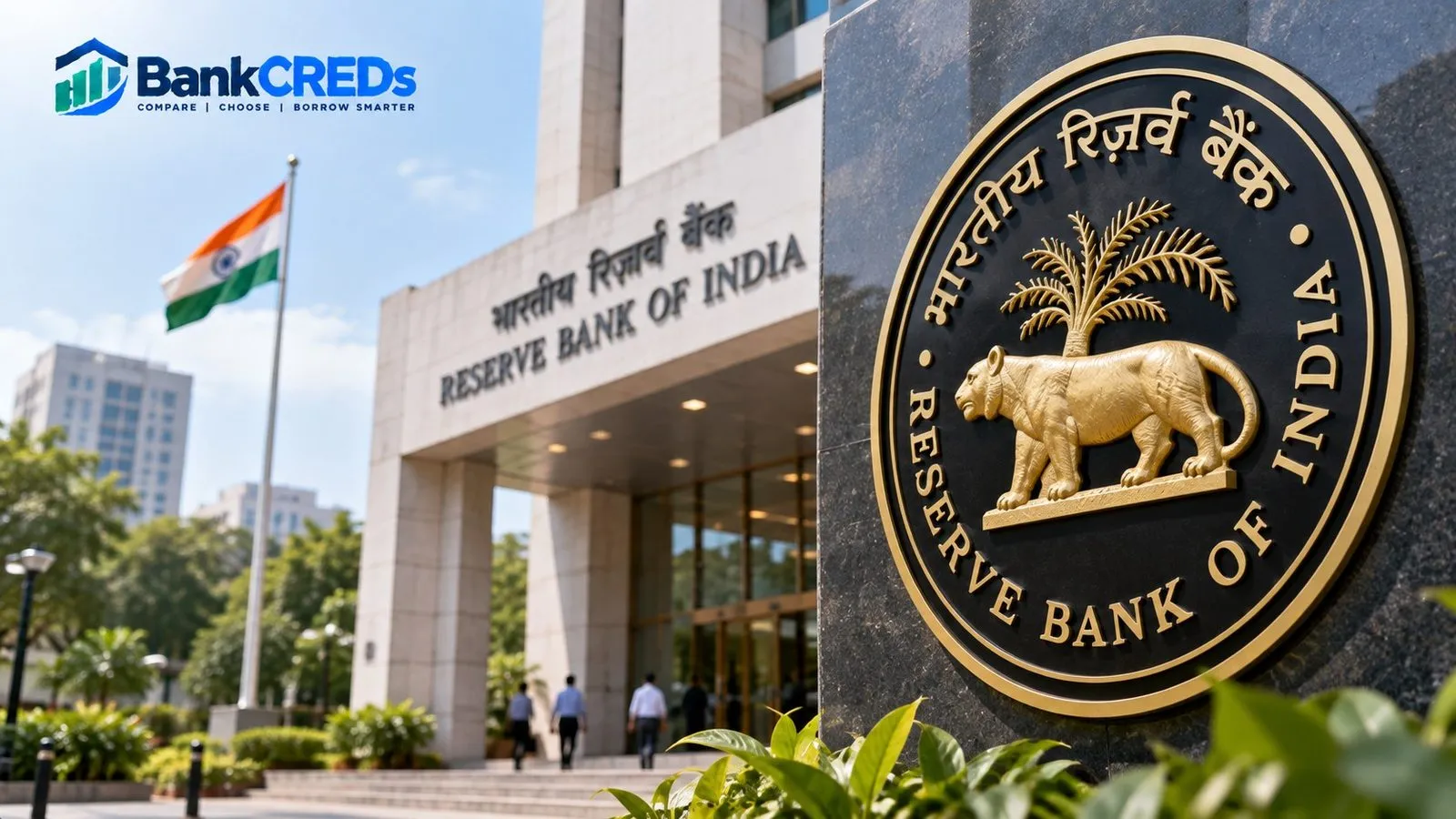
Experts at RBI SAMVAD 2026 say artificial intelligence and geopolitical tensions are adding to risks for financial stability. This is according to reporting by www.malaysiasun.com. Financial stability simply means banks and markets keep working smoothly, even in a shock.
For you, nothing changes today. Your EMI, your deposits and your loan rate stay as they are. But it's a good nudge to keep your savings spread out and your debts easy to carry.
Key takeaways
- Experts at the event flagged AI and geopolitical tensions as growing risks, as reported.
- Nothing changes in your loan or deposit terms because of this talk.
- Global shocks can raise borrowing costs over time.
- Keep an emergency fund and avoid stretching your EMIs.
- Insured, spread-out deposits are the safest base.
What does financial stability mean in simple terms?
Think of the financial system as a big water pipe network. Banks, lenders, markets and payment apps are all joined together. If one part breaks, the problem can spread to others.
The Reserve Bank of India (RBI) watches for such weak spots. It looks at how much banks lend, how safe their money is, and what outside events could hurt them. Talks like RBI SAMVAD give experts a place to name the risks early.
According to the reporting, two risks stood out. One is artificial intelligence. The other is tension between countries. We only know the headline, so we won't guess at the details.
How can these risks reach your wallet?
AI can make banking faster and cheaper. But it can also help fraudsters and make many systems depend on the same tools. If something fails, many people feel it at once.
Geopolitical tensions work differently. They can push up oil and food prices. They can also make global investors nervous. That can hit the rupee and raise the cost of money for banks.
When banks pay more for money, they may charge you more. Floating-rate loans are the first to feel it. Here's a simple example for a ₹10 lakh loan over five years.
| Interest rate | Approx. monthly EMI | Approx. total repaid |
|---|---|---|
| 9.0% | ₹20,759 | ₹12.46 lakh |
| 9.5% | ₹21,006 | ₹12.60 lakh |
| 10.0% | ₹21,248 | ₹12.75 lakh |
A rise from 9% to 10% adds about ₹489 a month. Over five years, that's roughly ₹29,000 more. You can test your own numbers with our EMI calculator.
Who is affected?
Borrowers with floating rates. Home and personal loans often move with market rates. Check whether yours is fixed or floating. Our home loan guides explain how this works.
Savers. Your bank deposits are insured up to ₹5 lakh per depositor per bank, under DICGC rules. That cover is a strong safety net for ordinary savers.
Digital users. If you use UPI and apps daily, fraud is the more direct risk. Better tools for criminals mean you must stay alert.
What should you do now?
You don't need to act in a hurry. A few calm steps will do.
- Check if your loan rate is fixed or floating.
- Add up your EMIs and compare them with your monthly income.
- Build an emergency fund of three to six months of expenses.
- Keep deposits within the insured limit at each bank.
- Never share OTPs, PINs or card details, even with a caller who sounds official.
If you plan a new loan, compare offers first. Our interest rate tables show current bands. For more stories like this, visit the news hub.
Frequently asked questions
Will my EMI go up because of this news?
No, not directly. Experts only named risks. Your EMI changes only if your lender's rate changes, and that depends on many things.
Is my money safe in a bank?
Deposits are insured up to ₹5 lakh per depositor per bank. The RBI also supervises banks. Spreading savings across banks keeps you within that cover.
How can AI be a risk to ordinary people?
Fraudsters can use AI to make fake calls and messages sound real. Stay careful with any request for money or codes. When in doubt, call your bank on its official number.
BankCreds analysis
Our view: a warning, not an alarm
This is a talk about risks that could build over years. It isn't a sign that your bank is in trouble. Don't move your savings in a panic because of a conference headline.
The real effect is slow. If global tensions push up prices or borrowing costs, loan rates can stay higher for longer. Take a family with a ₹10 lakh floating-rate loan over five years. Half a percentage point more costs them about ₹247 extra each month. That's manageable if they plan for it.
The people most exposed are those with thin budgets and big EMIs. Savers with insured, spread-out deposits are in a stronger spot. This week, check your own EMI-to-income ratio. If EMIs take more than 40% of your pay, build a small buffer first.
This section is BankCreds' own assessment of what the development means for Indian borrowers and savers. It is independent commentary, not part of the source reporting above.
Sources & references
- www.malaysiasun.com — originating report https://www.malaysiasun.com/news/279387697/ai-geopolitical-tensions-pose-growing-risks-to-financial-stability-experts-at-rbi-samvad-2026
- Reserve Bank of India — RBI's role in watching financial stability https://www.rbi.org.in/
- DICGC deposit insurance — Bank deposits are insured up to ₹5 lakh per depositor per bank https://www.dicgc.org.in/
Source links are shown as plain text, not clickable links. Copy a URL into your browser to read the original report.
Editorial note & disclaimer
How this was reported. The development above is attributed to the source or sources listed. BankCreds does not independently verify a third party's reporting; where a figure or a regulatory position is stated as fact, it is either attributed or drawn from the regulator's own published material. Everything under "BankCreds analysis" is our own assessment.
Rates and figures. Interest rates, per-gram values and premium bands quoted here are indicative, move daily, and differ by borrower profile, city and lender policy. Confirm the final number with the institution before you act on it — the sanction letter or policy schedule governs, not a news report.
Not financial advice. This article is general information for an Indian audience. It is not investment, tax, credit or insurance advice, takes no account of your circumstances, and BankCreds is not a lender, broker, distributor or advisor. Consider speaking to a SEBI-registered investment adviser or a qualified professional before acting.
Editorial policy · Fact-checking policy · Corrections policy · Our authors · About BankCreds · Contact us
Spotted an error? Corrections are published, not quietly edited — write to us via the contact page and see our corrections policy.