


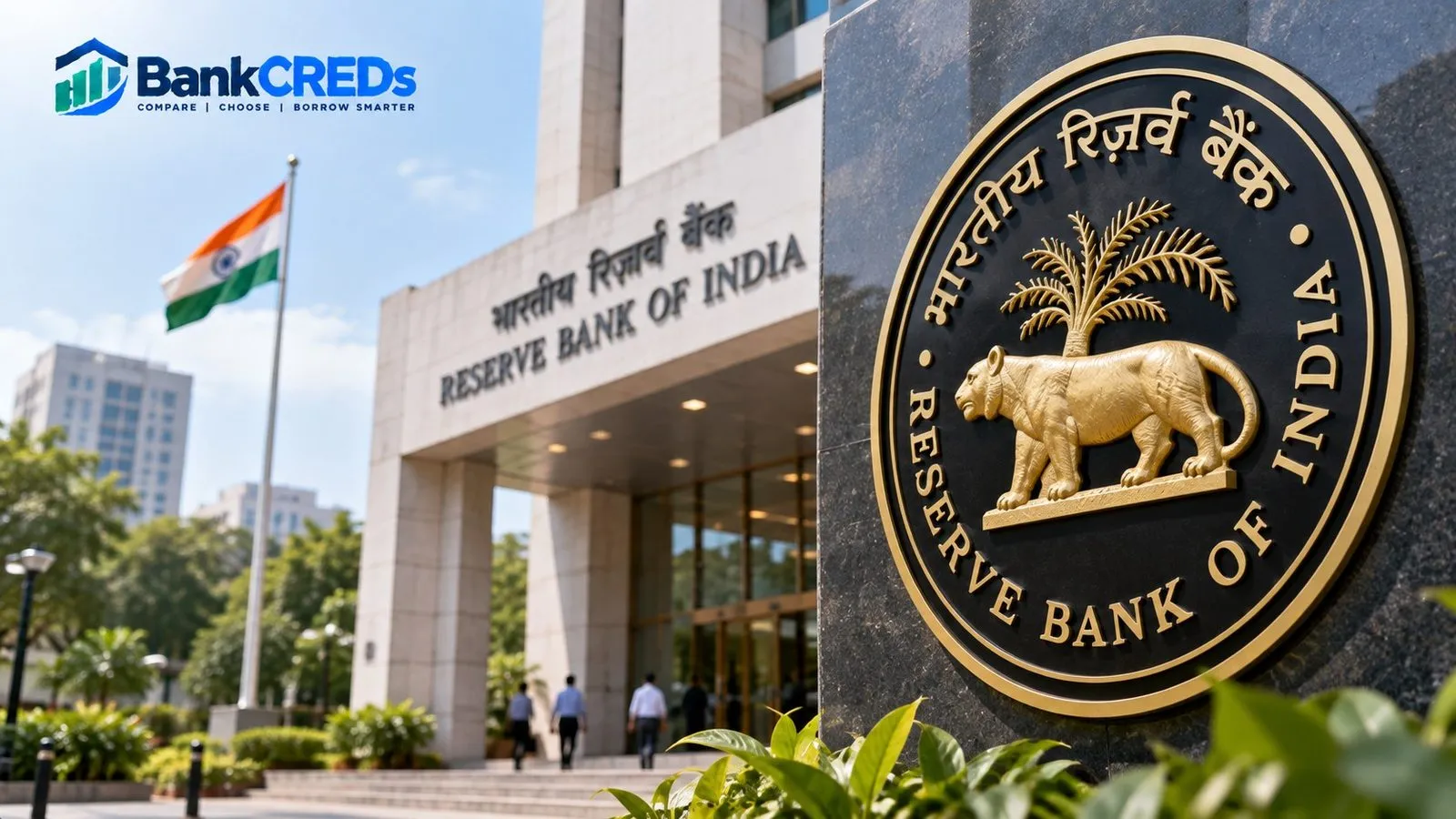
The Reserve Bank of India (RBI) is looking more closely at large overseas investments. This is according to reporting by Business Standard. The move comes as the rupee slides against major currencies.
For you, this matters mainly if you send money abroad. Big transfers may face more questions and paperwork. Everyday spending and small remittances are not what the report is about.
Key takeaways
- RBI is reportedly watching large overseas investments more closely, as reported by Business Standard.
- A weaker rupee makes every dollar you send abroad cost more.
- Individuals and families who send money abroad should keep their papers ready.
- The exact new steps haven't been spelled out in the headline, so wait for official notices.
- If you don't invest or study abroad, your loans and savings are not directly affected.
How RBI oversight of overseas money works
RBI is India's central bank. It also looks after the rules on foreign exchange under a law called FEMA. These rules decide how Indians can send money out of the country.
Individuals mostly use the Liberalised Remittance Scheme, or LRS. It lets a resident send up to $250,000 in a financial year for permitted purposes. Those include study, travel, gifts and investments abroad.
Companies follow separate overseas investment rules. Banks act as the gatekeepers for both. They check the purpose of the transfer, your tax details and your KYC. KYC simply means proof of who you are.
When a regulator steps up scrutiny, it usually means closer checking of these flows. The headline doesn't say what exact steps RBI has taken. Official circulars will tell us that.
Why a falling rupee matters for your money
When the rupee slides, each dollar costs more rupees. That makes foreign fees, foreign stocks and foreign travel more expensive. It can also raise worry about money leaving the country.
Here's an example with round numbers. Say a family pays $20,000 in yearly fees abroad. At ₹85 per dollar, that's ₹17,00,000. At ₹88, it's ₹17,60,000. The family pays ₹60,000 more for the same fees.
The table below shows how the extra cost grows. These rates are only examples, not today's rates.
| Amount sent | Cost at ₹85 per $ | Cost at ₹88 per $ | Extra cost |
|---|---|---|---|
| $1,000 | ₹85,000 | ₹88,000 | ₹3,000 |
| $5,000 | ₹4,25,000 | ₹4,40,000 | ₹15,000 |
| $10,000 | ₹8,50,000 | ₹8,80,000 | ₹30,000 |
| $25,000 | ₹21,25,000 | ₹22,00,000 | ₹75,000 |
If you borrow to fund such costs, the EMI adds to the load. You can test different loan sizes with our EMI calculator.
Who is affected
Not everyone feels this the same way. Here's a quick look.
- Investors in global funds or stocks: Large transfers may get more checks at your bank.
- Parents paying foreign fees: The rupee's fall raises your cost more than any rule does.
- Business owners with foreign arms: Expect closer questions on big investments.
- Regular savers and borrowers at home: There's no direct change for you.
If you're comparing loan options for a big expense, our personal loan guides and interest rate tables can help.
What to do now
You don't need to panic. A few calm steps will keep you ready.
- Keep your PAN, KYC and bank details up to date.
- Write down the purpose of each overseas transfer.
- Ask your bank what papers it needs before a large transfer.
- Split big plans over time, if that suits your goal.
- Don't chase the dollar in a hurry because the rupee is falling.
For more updates like this, visit our news hub.
Frequently asked questions
Does this change the $250,000 LRS limit?
The headline doesn't say the limit has changed. Check RBI's official notices for any update before you plan a large transfer.
Will a falling rupee raise my home loan EMI?
Not directly. Home loan rates depend on RBI policy and bank costs. A weaker rupee only affects you if you pay in foreign currency.
Should I send money abroad now before rules change?
It's not wise to rush. A weak rupee already makes dollars costlier. Send money only when you have a real need, and keep your papers ready.
BankCreds analysis
Less dramatic than it sounds
This story is about large overseas investments. Most households never send that kind of money abroad. If you don't, your EMIs and savings rates won't change because of this.
It matters most for two groups. One is parents planning foreign fees. The other is investors who buy global funds every month.
Here's a simple view. Say you invest $500 each month abroad. At ₹85 per dollar, that's ₹42,500. At ₹88, it's ₹44,000. Your cost rises by ₹1,500 a month, or ₹18,000 a year. That is from the rupee alone, not from any new RBI rule.
Don't rush to send money out of fear. Rushing at a weak rupee can cost you more. Also, don't assume new limits are coming. The report only says scrutiny is rising. Plan your transfers, keep papers ready and wait for any official notice.
This section is BankCreds' own assessment of what the development means for Indian borrowers and savers. It is independent commentary, not part of the source reporting above.
Sources & references
- Business Standard — originating report https://www.business-standard.com/finance/investment/rbi-steps-up-scrutiny-of-large-overseas-investments-as-rupee-slides-126102000130_1.html
- Reserve Bank of India — RBI oversees foreign exchange rules for overseas remittances and investments https://www.rbi.org.in/
- RBI Master Directions — Rules for the Liberalised Remittance Scheme and overseas investment https://www.rbi.org.in/Scripts/BS_ViewMasDirections.aspx
Source links are shown as plain text, not clickable links. Copy a URL into your browser to read the original report.
Editorial note & disclaimer
How this was reported. The development above is attributed to the source or sources listed. BankCreds does not independently verify a third party's reporting; where a figure or a regulatory position is stated as fact, it is either attributed or drawn from the regulator's own published material. Everything under "BankCreds analysis" is our own assessment.
Rates and figures. Interest rates, per-gram values and premium bands quoted here are indicative, move daily, and differ by borrower profile, city and lender policy. Confirm the final number with the institution before you act on it — the sanction letter or policy schedule governs, not a news report.
Not financial advice. This article is general information for an Indian audience. It is not investment, tax, credit or insurance advice, takes no account of your circumstances, and BankCreds is not a lender, broker, distributor or advisor. Consider speaking to a SEBI-registered investment adviser or a qualified professional before acting.
Editorial policy · Fact-checking policy · Corrections policy · Our authors · About BankCreds · Contact us
Spotted an error? Corrections are published, not quietly edited — write to us via the contact page and see our corrections policy.