


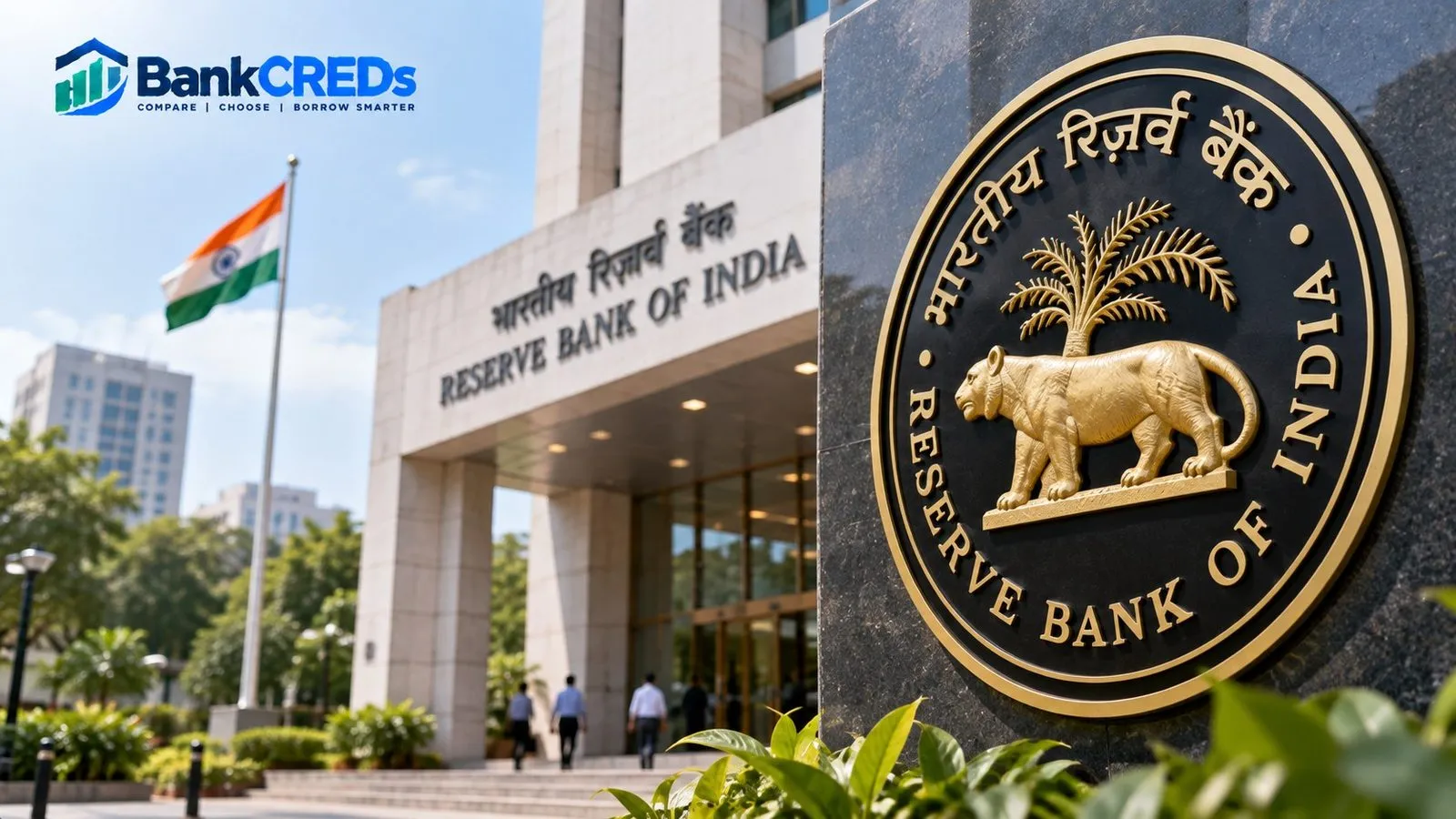
Former RBI governor Subbarao has a blunt view on the rupee. As The Economic Times reported, he says pushing the rupee against its fundamentals is futile.
For you, this means the rupee may not bounce back just because the RBI steps in. Costs tied to the dollar could stay high. That includes foreign study fees and imported goods.
Key takeaways
- A former RBI governor reportedly says forcing the rupee away from its true value won't work for long.
- A weaker rupee makes dollar payments costlier for families.
- It can push up prices of imported items, like fuel and electronics.
- Your EMI or deposit rate won't change today because of this comment.
What does "rupee fundamentals" mean?
The rupee's price is set by supply and demand for dollars. India buys a lot from abroad, especially oil. When the country pays out more dollars than it earns, the rupee tends to weaken.
That gap, along with inflation and growth, is what people call fundamentals. They are the real forces behind the rupee's value.
The RBI can sell dollars from its reserves to calm sharp falls. By its own stated approach, it doesn't aim for a fixed level. It mainly tries to smooth out wild swings.
The point made in the report is that pushing hard against these real forces doesn't last. Reserves are limited. If the pressure stays, the rupee usually finds its own level anyway.
How a weak rupee reaches your wallet
The rupee matters even if you never touch a dollar. India imports most of its crude oil. When the rupee falls, oil costs more in rupees, and that can lift petrol, diesel and transport costs.
Higher prices can make the RBI cautious about cutting interest rates. That can keep loan rates from falling as fast as you'd hope.
Here's a simple example. Say you pay $10,000 in yearly fees for a child studying abroad. This table is only an illustration, not a forecast.
| Rupees per dollar | Cost of $10,000 | Extra vs ₹84 |
|---|---|---|
| ₹84 | ₹8,40,000 | ₹0 |
| ₹86 | ₹8,60,000 | ₹20,000 |
| ₹88 | ₹8,80,000 | ₹40,000 |
| ₹90 | ₹9,00,000 | ₹60,000 |
A move of just ₹2 per dollar adds ₹20,000 to that bill. Small moves add up when the amount is large.
Who is affected
Some groups feel a weak rupee more than others.
- Students and parents: Fees, rent and travel abroad get costlier.
- Importers and small traders: Goods bought in dollars cost more.
- Travellers: Foreign trips and card spends rise in rupee terms.
- Exporters and families getting money from abroad: They often gain, since each dollar buys more rupees.
Most salaried people feel it only through prices. Petrol, cooking oil and gadgets are the usual places it shows up.
What to do now
You can't control the rupee. You can control how ready you are for it. Here's a short checklist.
- If you have a dollar bill coming, don't wait for a rate fix. Buy in parts over a few months.
- Check your monthly budget for fuel and import-linked costs.
- If you have a floating-rate loan, test a higher rate on the EMI calculator to see your cushion.
- Compare deposit and loan offers on the interest rates page before you commit.
- Avoid taking a personal loan just to lock in a foreign payment. The interest can cost more than the rupee move.
For wider updates, keep an eye on our news hub.
Frequently asked questions
Will my home loan EMI go up because of this?
Not directly. EMIs change only when the RBI changes its rates or your bank changes its lending rate. This comment alone doesn't do that.
Does a weak rupee always hurt?
No. It hurts people who pay in dollars. It helps exporters and families who receive money from abroad.
Can the RBI fix the rupee?
It can slow sharp falls by selling dollars. It can't change the real forces behind the rupee for long, as the report suggests.
BankCreds analysis
This is a view, not a policy change. Nothing in your loan or deposit rate shifts because of it. Don't change any plans this week.
Who really feels it
The rupee matters most to people who pay in dollars. Take a parent sending $10,000 a year to a child abroad. A fall from ₹86 to ₹88 adds ₹20,000 a year. That's real, but it's slow.
A salaried borrower with a home loan feels it only indirectly. It would need to push up inflation, and then the RBI would need to raise rates. That chain is long and uncertain.
The lesson is simple. Plan for a steady rupee drift, not a sudden fix. If you have dollar bills coming, spread your buying over several months.
This section is BankCreds' own assessment of what the development means for Indian borrowers and savers. It is independent commentary, not part of the source reporting above.
Sources & references
- The Economic Times — originating report https://m.economictimes.com/industry/banking/finance/correcting-rupee-against-fundamentals-ultimately-futile-says-rbis-ex-guv-subbarao/amp_articleshow/135034910.cms
- Reserve Bank of India — RBI's role in the foreign exchange market and monetary policy https://www.rbi.org.in/
Source links are shown as plain text, not clickable links. Copy a URL into your browser to read the original report.
Editorial note & disclaimer
How this was reported. The development above is attributed to the source or sources listed. BankCreds does not independently verify a third party's reporting; where a figure or a regulatory position is stated as fact, it is either attributed or drawn from the regulator's own published material. Everything under "BankCreds analysis" is our own assessment.
Rates and figures. Interest rates, per-gram values and premium bands quoted here are indicative, move daily, and differ by borrower profile, city and lender policy. Confirm the final number with the institution before you act on it — the sanction letter or policy schedule governs, not a news report.
Not financial advice. This article is general information for an Indian audience. It is not investment, tax, credit or insurance advice, takes no account of your circumstances, and BankCreds is not a lender, broker, distributor or advisor. Consider speaking to a SEBI-registered investment adviser or a qualified professional before acting.
Editorial policy · Fact-checking policy · Corrections policy · Our authors · About BankCreds · Contact us
Spotted an error? Corrections are published, not quietly edited — write to us via the contact page and see our corrections policy.