


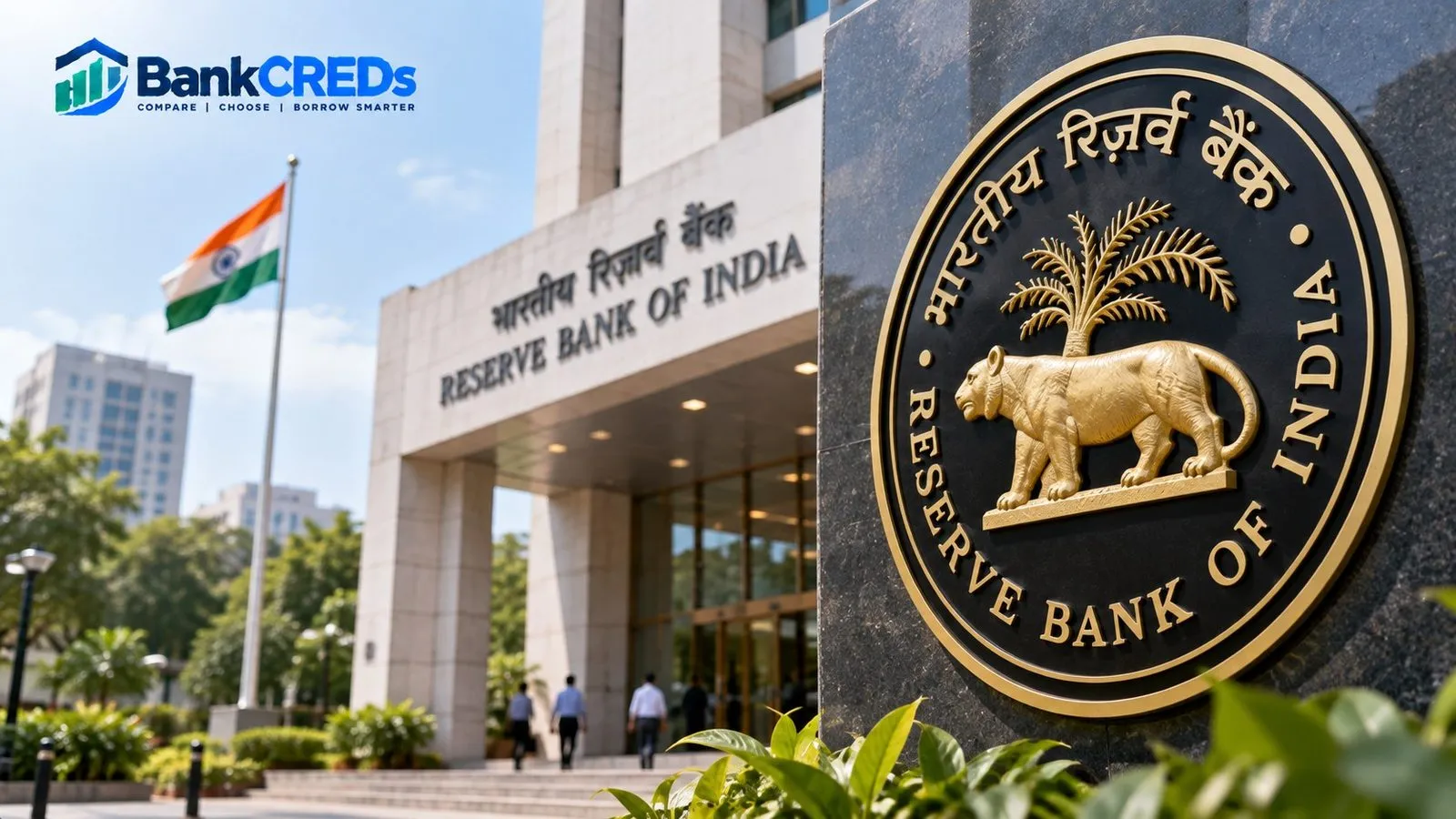
The Reserve Bank of India (RBI) will soon release digital lending guidelines. That's according to reporting by ET Government, which quoted Deputy Governor M. Rajeshwar Rao.
For you, this could mean clearer rules for loan apps and online lenders. The final text isn't public yet, so nothing changes today. Keep using apps with care until the rules arrive.
Key takeaways
- RBI plans to release digital lending guidelines soon, as reported.
- The exact rules haven't been published, so don't assume details.
- Rules like these usually aim at fair pricing and safe data use.
- Check that any lender is RBI-registered before you borrow.
- Compare the full cost of a loan, not just the EMI.
How digital lending works in simple terms
Digital lending means getting a loan through an app or website. You upload your details, share a selfie, and get money in your bank account. Often it takes just minutes.
Behind the app, a bank or a non-banking finance company (NBFC) usually provides the money. An NBFC is a lender registered with the RBI, but it isn't a bank. Some apps only connect you to these lenders. Others lend on their own.
This is why rules matter. Without clear rules, it's hard to know who is responsible when something goes wrong. RBI guidelines help fix that. They tell lenders what they must disclose and how they must behave.
What could change for you as a borrower
We don't know the final rules yet. But RBI's earlier lending rules have focused on a few things. These include clear cost disclosure, safe handling of your data, and a way to complain. It's fair to hope new guidelines push in the same direction.
The biggest thing for you is the real cost of a loan. Here's an example. Say you borrow ₹20,000 for 3 months. The table shows simple, rounded numbers with a 3% processing fee of ₹600.
| Yearly interest rate | Interest for 3 months | Processing fee | Total extra cost |
|---|---|---|---|
| 18% | ₹900 | ₹600 | ₹1,500 |
| 24% | ₹1,200 | ₹600 | ₹1,800 |
| 36% | ₹1,800 | ₹600 | ₹2,400 |
See how the fee matters? On a short loan, a ₹600 fee adds a lot. At 24%, you pay ₹1,800 extra on ₹20,000. That's 9% in just three months. Clear disclosure helps you spot this before you click accept.
These numbers are examples only. Real rates differ by lender and your profile. Use our EMI calculator to test your own loan.
Who is affected by the new rules
Most directly, anyone who takes small loans through apps. This includes salaried people, gig workers and shop owners who need quick cash. If you've used an instant loan app, this news is for you.
Lenders are affected too. Banks, NBFCs and app companies may need to change how they show costs and handle data. Smaller apps that lack proper partners may find it harder to operate.
Borrowers with good credit may see little change. Those who often borrow small sums at high cost may gain the most from clearer terms.
What to do now before you borrow
You don't need to wait for the rules to stay safe. Follow this checklist before you take any app loan:
- Check that the lender is on the RBI list of registered NBFCs, or is a bank.
- Read the key fact statement, which shows the total cost.
- Ask for the yearly interest rate and every fee in writing.
- Share only the app permissions it truly needs.
- Save your loan agreement and payment receipts.
If you're comparing options, our interest rates page shows typical bands. For bigger needs, see the personal loan guides. Keep an eye on the news hub for the final rules.
Frequently asked questions
When will RBI release the digital lending guidelines?
The report says "soon", but we don't have a date. Check back here once RBI publishes them.
Will my current loan app loan change?
Not today. Any change will depend on the final rules and the time lenders get to follow them.
How can I check if a lender is genuine?
Look up the lender on the RBI list of registered NBFCs. You can report unregistered apps on RBI's Sachet portal.
BankCreds analysis
Less urgent than it sounds
A promise of "soon" isn't a rule. Until RBI publishes the text, nothing changes for your loan today. Don't cancel or rush any loan because of this news.
The real gain depends on the fine print. Take a gig worker who borrows ₹10,000 every month at a 3% fee. That's ₹300 a month, or ₹3,600 a year, before any interest. Clear fee disclosure could help this person compare lenders and cut that cost. A rule on paper won't do it alone.
Safer apps may also become pricier. If lenders must spend more on compliance, some may raise rates or tighten approval. Borrowers with thin credit history could feel that first.
The best step this week is simple. Pick your lender with care, and learn the full cost before you accept. That habit protects you whatever the final rules say.
This section is BankCreds' own assessment of what the development means for Indian borrowers and savers. It is independent commentary, not part of the source reporting above.
Sources & references
- ET Government — originating report https://government.economictimes.indiatimes.com/news/digital-payments/rbi-to-soon-release-digital-lending-guidelines-deputy-governor-m-rajeshwar-rao/89496471?next
- RBI notifications and circulars — where RBI publishes new guidelines once released https://www.rbi.org.in/Scripts/NotificationUser.aspx
- RBI list of registered NBFCs — check whether a lender is registered https://www.rbi.org.in/Scripts/BS_NBFCList.aspx
- RBI Sachet — report unauthorised lending entities https://sachet.rbi.org.in/
Source links are shown as plain text, not clickable links. Copy a URL into your browser to read the original report.
Editorial note & disclaimer
How this was reported. The development above is attributed to the source or sources listed. BankCreds does not independently verify a third party's reporting; where a figure or a regulatory position is stated as fact, it is either attributed or drawn from the regulator's own published material. Everything under "BankCreds analysis" is our own assessment.
Rates and figures. Interest rates, per-gram values and premium bands quoted here are indicative, move daily, and differ by borrower profile, city and lender policy. Confirm the final number with the institution before you act on it — the sanction letter or policy schedule governs, not a news report.
Not financial advice. This article is general information for an Indian audience. It is not investment, tax, credit or insurance advice, takes no account of your circumstances, and BankCreds is not a lender, broker, distributor or advisor. Consider speaking to a SEBI-registered investment adviser or a qualified professional before acting.
Editorial policy · Fact-checking policy · Corrections policy · Our authors · About BankCreds · Contact us
Spotted an error? Corrections are published, not quietly edited — write to us via the contact page and see our corrections policy.