


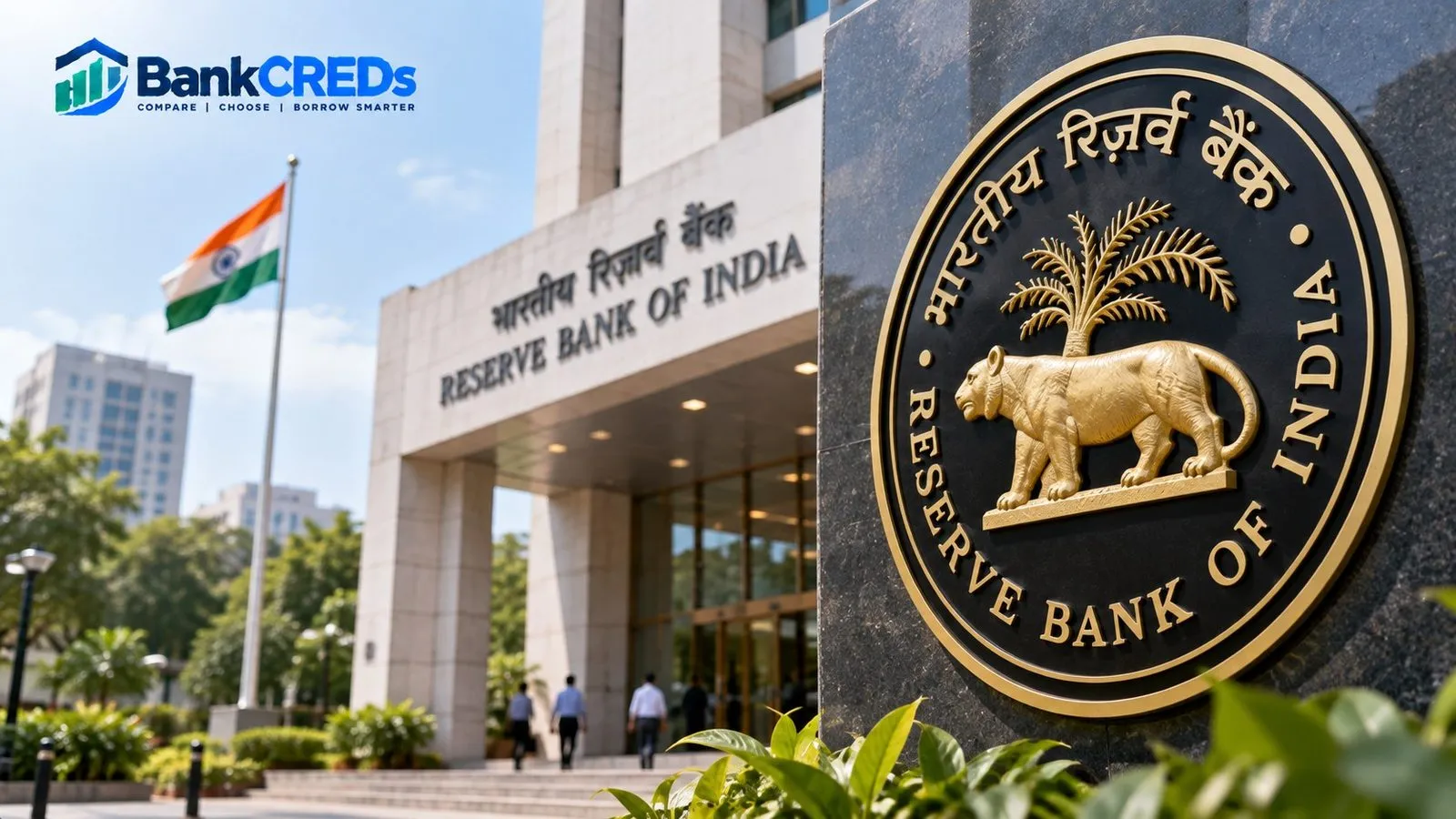
The RBI has reportedly called in top NBFC executives for talks. The topic is cyberattacks and payment security, according to reporting by The 420.in.
For you, nothing changes today. Your EMI and interest rate stay as agreed. But it's a good moment to tighten your own digital habits.
Key takeaways
- RBI is reportedly pressing NBFCs on cyber and payment security.
- Your EMI and loan rate don't change because of this news.
- Scammers copy lender names, so pay only through the official app.
- Never share your OTP, UPI PIN or card details with anyone.
- Check any lender in the RBI list of registered NBFCs.
What this means in simple terms
An NBFC is a non-bank finance company. It lends money like a bank does. Many instant loan apps work with NBFCs.
The RBI is the regulator for these lenders. It can ask their leaders to explain how they protect customer data and payments. Such meetings usually push firms to review their systems. They look at weak spots, outside vendors and how fast problems get reported.
The headline doesn't list any new rules. So don't assume any. We'll know more only if the RBI issues a formal notice. You can follow updates in our news hub.
How a cyber risk can hit your loan
A cyberattack on a lender can leak data or block payments. Fraudsters also use leaked details to sound real. They call, text or send links that look like your lender's.
Here's a simple example. Say you took a ₹50,000 loan at 18% a year for 12 months. Your EMI is the fixed amount you pay each month. Here it comes to about ₹4,584.
| Item | Amount |
|---|---|
| Loan amount | ₹50,000 |
| Yearly interest rate | 18% |
| Monthly EMI | About ₹4,584 |
| Total repaid in 12 months | About ₹55,008 |
Now picture a fake payment link in a text message. You pay ₹4,584 to a scammer. The real lender never gets it. Your loan shows a missed payment, and a late fee may follow. You can test your own numbers with our EMI calculator.
Who is affected
Anyone with an NBFC loan can be a target. Instant loan users face more risk, because they apply and pay on their phones. Our instant loan hub explains how these loans work.
First-time borrowers fall for fake calls more often. So do older family members. Small business owners who pay through UPI links are exposed too.
If you're comparing options, read our personal loan guides first. A calm, informed borrower is a harder target.
What to do now
A few simple habits cut most of the risk. Use this checklist.
- Pay EMIs only inside the lender's official app or website.
- Never share your OTP, UPI PIN, CVV or card number.
- Type the website address yourself. Don't tap links in texts.
- Turn on SMS and email alerts for every payment.
- Keep your payment receipts until the loan is closed.
- Check that the lender is in the RBI list of registered NBFCs.
If something feels wrong, stop. Call the number printed on your loan agreement. Don't use a number from a text message.
Also, don't panic. A regulator meeting doesn't mean your lender has been hacked. It means the RBI wants lenders to stay alert.
Frequently asked questions
Will my EMI change because of this RBI meeting?
No. The headline says nothing about rates or EMIs. Your loan terms stay as written in your agreement.
How do I know a loan app is genuine?
Check that the lender, or its partner NBFC, is on the RBI list of registered NBFCs. Read the app's privacy terms before you install it.
What should I do if I paid a fake link?
Call 1930, the national cyber fraud helpline, right away. Then tell your bank and your real lender. Fast reporting gives you the best chance of help.
BankCreds analysis
This headline sounds big, but it's mostly a signal to lenders. It isn't a new rule for you. For most borrowers, the real risk is a fake payment request, not a lender hack.
Where your rupees are at risk
Take the ₹4,584 EMI from our example. Pay it to a scammer by mistake, and you still owe the real lender. If you then pay the real EMI too, you're out about ₹9,168 for that month. That's far more than any change in loan terms this news could cause.
Bigger lenders with strong tech teams will cope easily. Smaller lenders may face higher security costs. Those costs could reach customers later as fees, but nothing here confirms that.
This week, do two small things. Turn on payment alerts. Then delete old loan apps you no longer use, because each one holds your data.
This section is BankCreds' own assessment of what the development means for Indian borrowers and savers. It is independent commentary, not part of the source reporting above.
Sources & references
- The 420.in — originating report https://the420.in/rbi-nbfc-cybersecurity-api-fraud/
- Reserve Bank of India — RBI regulates NBFCs and can call their leaders for talks https://www.rbi.org.in/
- RBI list of registered NBFCs — Check whether a lender is registered https://www.rbi.org.in/Scripts/BS_NBFCList.aspx
Source links are shown as plain text, not clickable links. Copy a URL into your browser to read the original report.
Editorial note & disclaimer
How this was reported. The development above is attributed to the source or sources listed. BankCreds does not independently verify a third party's reporting; where a figure or a regulatory position is stated as fact, it is either attributed or drawn from the regulator's own published material. Everything under "BankCreds analysis" is our own assessment.
Rates and figures. Interest rates, per-gram values and premium bands quoted here are indicative, move daily, and differ by borrower profile, city and lender policy. Confirm the final number with the institution before you act on it — the sanction letter or policy schedule governs, not a news report.
Not financial advice. This article is general information for an Indian audience. It is not investment, tax, credit or insurance advice, takes no account of your circumstances, and BankCreds is not a lender, broker, distributor or advisor. Consider speaking to a SEBI-registered investment adviser or a qualified professional before acting.
Editorial policy · Fact-checking policy · Corrections policy · Our authors · About BankCreds · Contact us
Spotted an error? Corrections are published, not quietly edited — write to us via the contact page and see our corrections policy.