

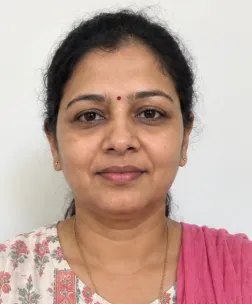

ICICI Lombard's chief executive, Sanjeev Mantri, says the latest IRDAI reforms are an opportunity for insurers. He says they're not a burden. That's according to reporting by ET Now. IRDAI is India's insurance regulator.
For you, this is mostly a signal to watch. The reforms could shape how insurers sell, price and service policies. Nothing changes for your existing policy today, but it's smart to know what to look for.
Key takeaways
- ET Now reports that ICICI Lombard's CEO sees IRDAI reforms as an opportunity, not a burden.
- The comment is the insurer's view. It isn't a guarantee of lower premiums.
- Your current policy stays valid on its existing terms.
- Compare options and read renewal notices carefully this year.
What the CEO's comment means in simple terms
IRDAI makes the rules that insurance companies must follow. These rules cover things like how policies are sold and how claims are handled. When the rules change, insurers must adjust.
Some companies see new rules as extra cost and paperwork. Mantri's view, as reported, is the opposite. He sees room for insurers to grow and do better work.
We only know the headline. We don't know every detail of the reforms. So we won't guess at specific rules or numbers here.
How this could touch your wallet
Insurance is a promise. You pay a premium, which is the price of cover. The insurer pays if something goes wrong.
When an insurer feels the rules help it, it may sell more and try new products. More choice can mean better deals for you. But it can also mean more confusing options.
Here's a simple example. Say your health policy costs ₹20,000 a year. Small yearly increases add up, as the table shows.
| Yearly premium rise | New premium on ₹20,000 | Extra you pay |
|---|---|---|
| 0% | ₹20,000 | ₹0 |
| 5% | ₹21,000 | ₹1,000 |
| 10% | ₹22,000 | ₹2,000 |
| 15% | ₹23,000 | ₹3,000 |
These numbers are only an illustration. They aren't a forecast. They show why a few percent matters over several years.
Who is affected
Most people with a health, motor, home or travel policy could feel some effect over time. Reforms often reach customers slowly. You may see it first at renewal.
Borrowers should pay attention too. Banks often ask for cover when you take a home loan. A good policy protects your family if your income stops.
Senior citizens and people with health conditions have the most to gain or lose. Rules on cover and renewals matter a lot to them.
What to do now
You don't need to act in a rush. A few calm checks are enough.
- Find your policy papers and note the renewal date.
- Check what's covered and what's left out.
- Compare at least two other quotes before you renew.
- Read every renewal notice, especially the changes.
- Ask your insurer in writing if you don't understand something.
For more updates like this, visit our news hub. If you're planning a loan-linked cover, our EMI calculator helps you see your monthly budget first.
The insurance regulator's website, irdai.gov.in, carries official rules and notices. Always trust official sources over social media forwards.
Frequently asked questions
Will IRDAI reforms lower my insurance premium?
Not necessarily. The CEO's comment is about insurers seeing an opportunity. Premiums depend on many things, including claims and your age.
Does my current policy change because of this?
No, not because of this report. Your policy follows its signed terms. Check your renewal notice for any changes.
What should I do if my insurer changes my policy terms?
Read the notice fully and ask questions in writing. Compare other insurers before you renew. You can also contact the insurance regulator if you feel treated unfairly.
BankCreds analysis
This is a view from an insurer's boss, so read it as a signal, not a promise. Companies often say rule changes help them. Your policy is what counts.
What it does not mean
It doesn't mean cheaper premiums. Take a health policy at ₹20,000 a year. Even a small 5% rise adds ₹1,000. That's real money, and one friendly quote won't stop it.
Who gains most? Buyers who compare. A calm insurer can still raise prices, but a market with more choice makes that harder.
This week, do one thing. Check your renewal date and keep the policy document handy. If a renewal notice arrives, read the changes before you pay. The headline is less important than that notice.
This section is BankCreds' own assessment of what the development means for Indian borrowers and savers. It is independent commentary, not part of the source reporting above.
Sources & references
- ET Now — originating report https://www.etnownews.com/companies/irdai-reforms-an-opportunity-not-burden-for-insurers-icici-lombard-ceo-sanjeev-mantri-article-156393458
- IRDAI — Insurance regulator that sets rules for insurers and protects policyholders https://irdai.gov.in/
Source links are shown as plain text, not clickable links. Copy a URL into your browser to read the original report.
Editorial note & disclaimer
How this was reported. The development above is attributed to the source or sources listed. BankCreds does not independently verify a third party's reporting; where a figure or a regulatory position is stated as fact, it is either attributed or drawn from the regulator's own published material. Everything under "BankCreds analysis" is our own assessment.
Rates and figures. Interest rates, per-gram values and premium bands quoted here are indicative, move daily, and differ by borrower profile, city and lender policy. Confirm the final number with the institution before you act on it — the sanction letter or policy schedule governs, not a news report.
Not financial advice. This article is general information for an Indian audience. It is not investment, tax, credit or insurance advice, takes no account of your circumstances, and BankCreds is not a lender, broker, distributor or advisor. Consider speaking to a SEBI-registered investment adviser or a qualified professional before acting.
Editorial policy · Fact-checking policy · Corrections policy · Our authors · About BankCreds · Contact us
Spotted an error? Corrections are published, not quietly edited — write to us via the contact page and see our corrections policy.