


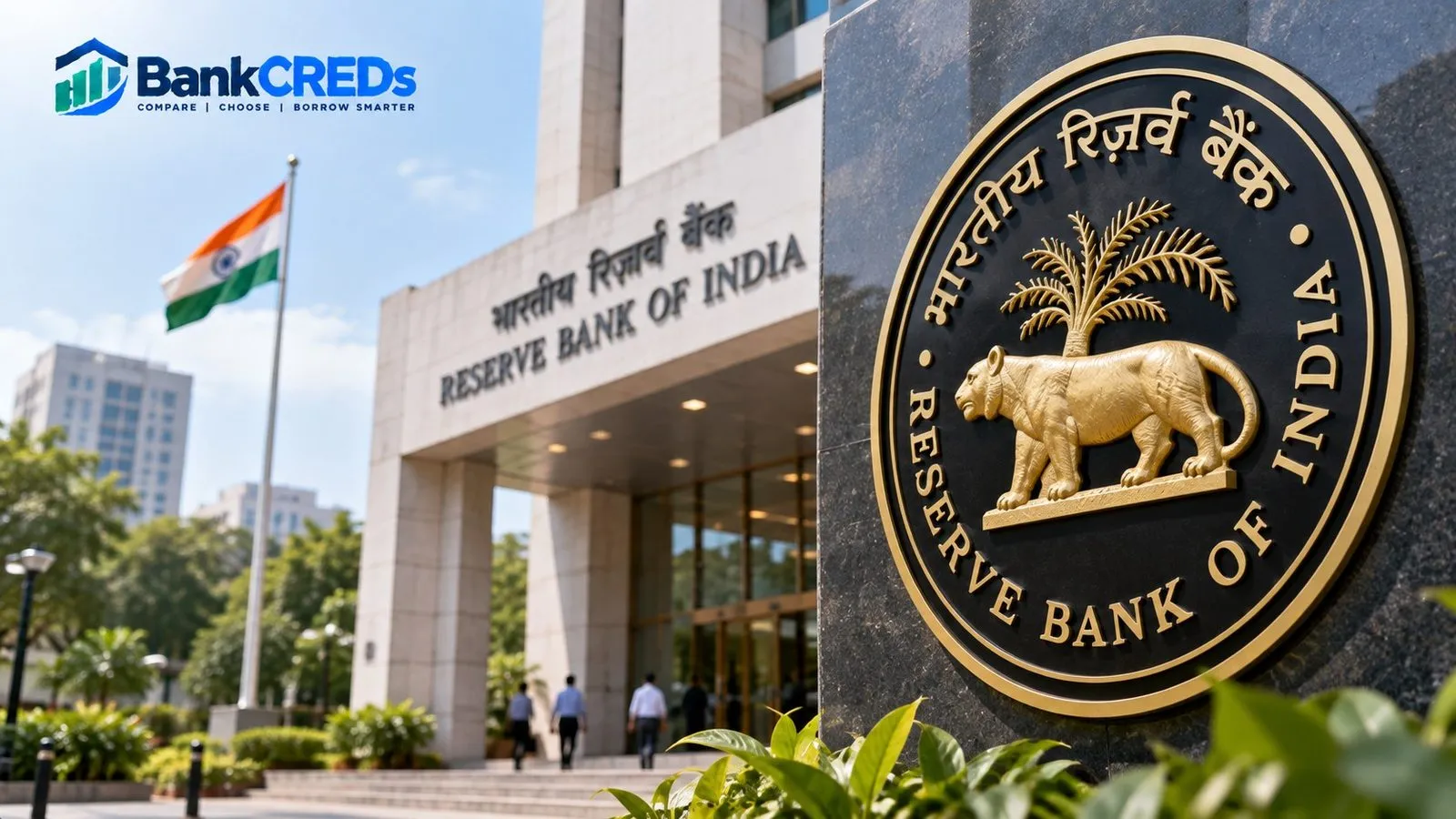
Indian banks are lining up more than ₹10,000 crore to fund company takeovers and mergers. That's according to reporting by The Economic Times. The move follows a change in RBI rules.
For you, nothing changes in your EMI or deposit rate today. But the story shows where banks plan to put their money. Over time, that can shape loan pricing and how easily you get a loan.
Key takeaways
- Banks are ready to lend over ₹10,000 crore for mergers and acquisitions, as reported.
- An RBI rule change made this kind of lending easier.
- Your existing EMI and fixed deposit rate don't change because of this news.
- Small loan approvals could get a bit pickier if banks chase bigger deals.
- Your credit score still decides the rate you're offered.
How bank funding for mergers and acquisitions works
M&A means mergers and acquisitions. One company buys another, or two firms join into one. Buyers often need very large sums to pay for that.
For a long time, Indian banks were generally limited in lending straight for such deals. Companies leaned on bonds, foreign loans or non-bank lenders instead. According to the report, the RBI's rule change now gives banks more room.
The report doesn't spell out every detail of the new rule here. So we won't guess at limits or conditions. The RBI's circulars carry the exact wording.
Here's the part that touches you. Banks lend out money that savers deposit. Your deposit is safe, and DICGC insures up to ₹5 lakh per depositor per bank. But how banks use the pool of deposits affects what's left for other loans.
What changes for borrowers and savers
No rule here changes your home loan, car loan or personal loan rate. Those mostly follow the RBI's policy rate and your bank's own pricing. A larger loan book for deals doesn't alter that on its own.
But small moves in rates add up. Take a ₹30 lakh home loan over 20 years. The table shows how a quarter-point change moves the EMI. We aren't predicting a rate rise. It's just a way to see what's at stake.
| Home loan rate | Approx. monthly EMI | Change from 8.50% |
|---|---|---|
| 8.25% | ₹25,563 | ₹472 lower |
| 8.50% | ₹26,035 | No change |
| 8.75% | ₹26,510 | ₹475 higher |
You can test your own numbers with our EMI calculator. For current rate bands, see the interest rates tables.
Savers face no direct change. If banks need more money to lend, they may keep deposit rates firm. That's a possibility, not a promise.
Who is affected
- Large companies: They get another way to fund a takeover.
- Banks: They earn interest on big loans but take bigger risks. A failed deal can turn into a bad loan.
- Home and personal loan borrowers: Little change now. Pricing and approvals could shift slowly.
- Fixed deposit holders: Your money stays insured up to the DICGC limit.
What to do now
You don't need to act in a hurry. A few calm steps are enough:
- Check your credit score and fix any mistakes in your report.
- Look at your current loan rate and ask if it's linked to the RBI's policy rate.
- Compare offers before you borrow. Our personal loan guides can help.
- Keep deposits within the ₹5 lakh insured limit at any one bank where you can.
- Follow the news hub for rate changes that really affect your EMI.
If you want a quick check of what you might qualify for, try the eligibility tool.
Frequently asked questions
Will my home loan EMI change because banks fund mergers?
Not directly. Your EMI depends on your loan's rate and the benchmark it follows. This news doesn't change either one today.
Is my bank deposit safe if my bank lends for takeovers?
Deposits at banks are insured by DICGC up to ₹5 lakh per depositor per bank. Banks also have to follow RBI rules on risk.
Why did the RBI change the rule?
The report only says the rule changed, so we can't speak for the RBI's reasons. Read the RBI's own circular for the stated purpose.
BankCreds analysis
Don't over-read this one
This is a big number for company finance teams. For your household, it's a small story. Your EMI depends mostly on the RBI's policy rate and your bank's own pricing. A new lending line for takeovers doesn't change either of those on its own.
The real effect is slow. If banks lend more to large companies, they may chase fewer small loans for a while. That could mean slightly pickier approvals for weaker credit profiles.
Take a salaried borrower with a 700 score and a ₹5 lakh personal loan ask. Nothing changes this week. But a clean score above 750 still gets you the best offer. That's the part you control.
So don't rush to lock or break any loan because of this headline. Watch your lender's rate notices instead. They matter far more than a deal-funding story.
This section is BankCreds' own assessment of what the development means for Indian borrowers and savers. It is independent commentary, not part of the source reporting above.
Sources & references
- The Economic Times — originating report https://m.economictimes.com/markets/stocks/news/indian-banks-open-cheque-books-for-10000-crore-plus-in-ma-funding-after-rbi-rule-change/articleshow/135103483.cms
- Reserve Bank of India — RBI circulars carry the exact rule and any limits on bank lending https://www.rbi.org.in/Scripts/NotificationUser.aspx
- DICGC deposit insurance — Bank deposits are insured up to ₹5 lakh per depositor per bank https://www.dicgc.org.in/
Source links are shown as plain text, not clickable links. Copy a URL into your browser to read the original report.
Editorial note & disclaimer
How this was reported. The development above is attributed to the source or sources listed. BankCreds does not independently verify a third party's reporting; where a figure or a regulatory position is stated as fact, it is either attributed or drawn from the regulator's own published material. Everything under "BankCreds analysis" is our own assessment.
Rates and figures. Interest rates, per-gram values and premium bands quoted here are indicative, move daily, and differ by borrower profile, city and lender policy. Confirm the final number with the institution before you act on it — the sanction letter or policy schedule governs, not a news report.
Not financial advice. This article is general information for an Indian audience. It is not investment, tax, credit or insurance advice, takes no account of your circumstances, and BankCreds is not a lender, broker, distributor or advisor. Consider speaking to a SEBI-registered investment adviser or a qualified professional before acting.
Editorial policy · Fact-checking policy · Corrections policy · Our authors · About BankCreds · Contact us
Spotted an error? Corrections are published, not quietly edited — write to us via the contact page and see our corrections policy.