


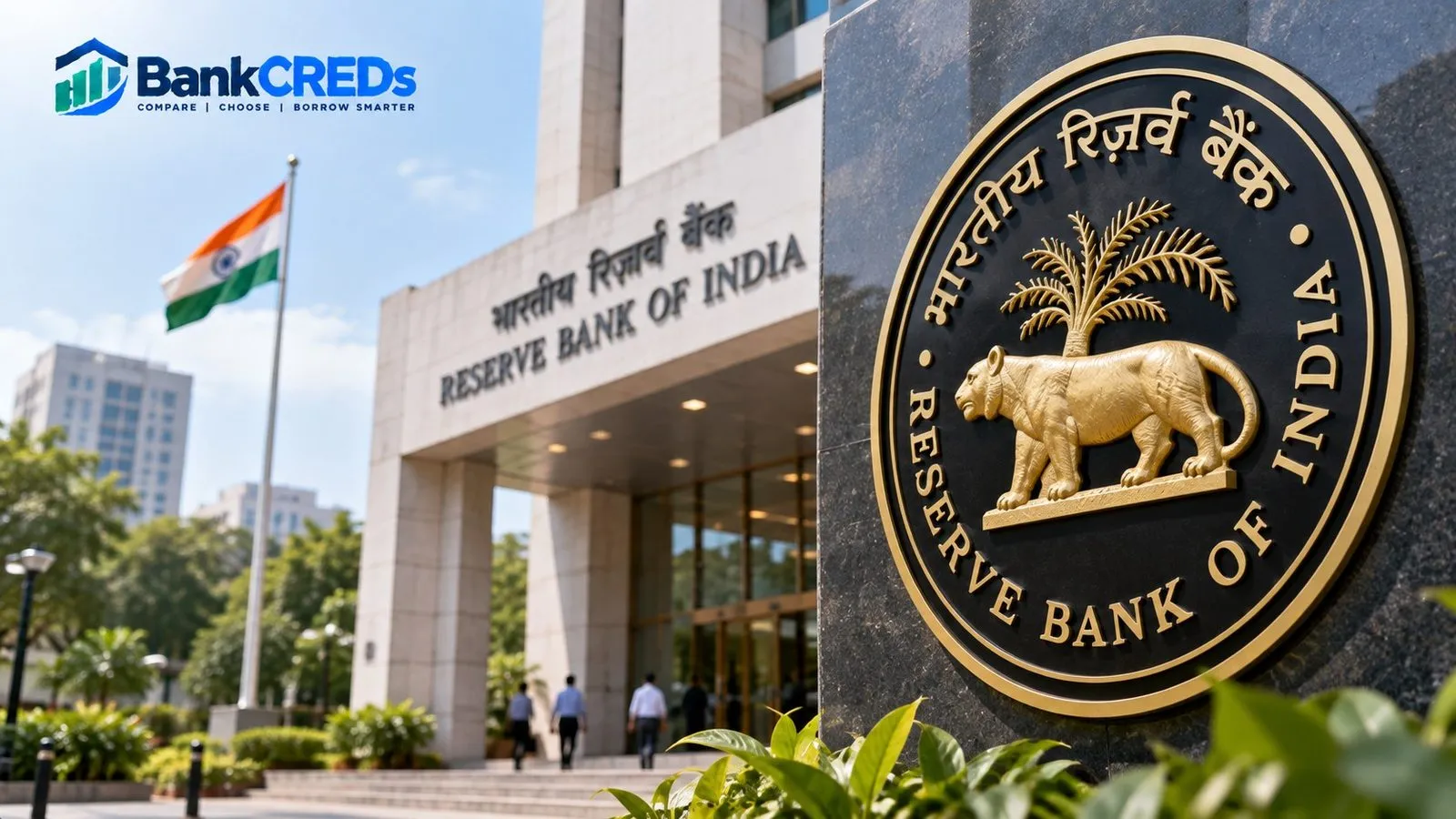
RBI Deputy Governor Swaminathan has said that not every friction in finance is inefficiency, as reported by Business Standard. Put simply, some slow or extra steps in banking exist for a good reason.
For you, this means checks like ID proof and repeat confirmations may not vanish. They can feel like a hassle. But many of them guard your money and keep lending safe.
Key takeaways
- Friction means any step that slows a money task, like an ID check or a waiting gap.
- The deputy governor's point, as reported, is that slow doesn't always mean wasteful.
- Some checks protect you from fraud and from borrowing more than you can repay.
- Speed still matters, so compare lenders on total cost and not only on payout time.
- The headline names no new rule, so your EMI and deposit rates stay as they are.
What does friction in finance mean?
Friction is anything that adds a step, a wait or a cost to a money task. Think of KYC, which stands for know your customer. It's the ID and address check a bank does before it opens your account.
Other examples are an OTP (one-time password) before a payment and a loan officer asking for income proof. Each one adds a few minutes. Each one can also stop some kind of harm.
The headline suggests a split between two things. One is waste, like a form that asks the same thing three times. The other is a useful pause, like a check that stops a scam. We only know the headline, so we can't say which steps were named.
How useful friction protects you
Think about a fraudster who gets hold of your phone number. If money moved with no checks at all, your savings could vanish in seconds. A confirmation step gives you a moment to say no.
Loans work the same way. A lender who checks your income and past repayments is being careful. That makes it less likely you'll end up with debt you can't carry. The check slows approval a little. It also helps keep your credit record clean. The RBI sets many such norms for banks and NBFCs (non-bank lenders).
What it changes for borrowers and savers
Nothing changes in your EMI or your deposit rate today. The remark is a view, and the headline doesn't mention a rate or rule change. But it's a handy nudge on how to judge speed.
Here's a simple example. Say you need a ₹2,00,000 personal loan for 3 years. Two lenders offer it. One pays out in 10 minutes. The other takes a day and checks more.
| Option | Rate a year | Fee | Monthly EMI | Total interest + fee |
|---|---|---|---|---|
| Lender A (instant) | 14% | 2% = ₹4,000 | about ₹6,835 | about ₹50,060 |
| Lender B (slower) | 13% | 0.5% = ₹1,000 | about ₹6,741 | about ₹43,680 |
These numbers are only an example. Lender A feels easier, but it costs you about ₹6,380 more over three years. A day's wait saved real money here. You can test your own numbers with the EMI calculator.
Who is affected
First-time borrowers feel it most, since the checks are new to them. Senior citizens and people new to banking apps may find extra steps slow. Small savers gain the most from fraud checks. Lenders feel it too, as they balance speed against risk.
What to do now
- Keep your ID, address proof and income proof ready, so checks go fast.
- Read each confirmation screen before you tap approve.
- Compare the total cost, not just the payout time. Our personal loan guides can help.
- Check your eligibility first, so you don't apply and get turned down.
- Never share OTPs, even with someone who says they're from your bank.
For more updates like this, visit our news hub.
Frequently asked questions
Is the RBI removing KYC or other checks?
Nothing in the headline says so. It only says that not every friction in finance is inefficiency, as reported by Business Standard.
Why do banks ask for so many documents?
Rules require banks to know who their customers are. Documents also show whether you can repay a loan.
Does a faster loan cost more?
Often it can, but not always. Compare the rate, the fees and the total cost before you accept.
BankCreds analysis
Less news than it sounds
This is a view, not a rule. Don't expect a change in your loan or deposit this week. The headline names no new circular, so treat it as a signal about how the RBI thinks.
The real money lesson is about speed. Fast approval often comes with a higher rate and a higher fee. A salaried person taking ₹2,00,000 for three years could pay about ₹6,000 extra for convenience. That's close to a month of groceries for a small family.
Who gains? Careful borrowers and people at risk of scams. Who loses? Anyone in a hurry. If you can wait one day, use it to compare three lenders. If it's a real emergency, pay for speed, but read the fee line first.
This section is BankCreds' own assessment of what the development means for Indian borrowers and savers. It is independent commentary, not part of the source reporting above.
Sources & references
- Business Standard — originating report https://www.business-standard.com/industry/banking/not-every-friction-in-finance-is-inefficiency-says-rbi-dg-swaminathan-126102101269_1.html
- RBI Master Directions — RBI sets KYC and lending norms that banks and NBFCs follow https://www.rbi.org.in/Scripts/BS_ViewMasDirections.aspx
Source links are shown as plain text, not clickable links. Copy a URL into your browser to read the original report.
Editorial note & disclaimer
How this was reported. The development above is attributed to the source or sources listed. BankCreds does not independently verify a third party's reporting; where a figure or a regulatory position is stated as fact, it is either attributed or drawn from the regulator's own published material. Everything under "BankCreds analysis" is our own assessment.
Rates and figures. Interest rates, per-gram values and premium bands quoted here are indicative, move daily, and differ by borrower profile, city and lender policy. Confirm the final number with the institution before you act on it — the sanction letter or policy schedule governs, not a news report.
Not financial advice. This article is general information for an Indian audience. It is not investment, tax, credit or insurance advice, takes no account of your circumstances, and BankCreds is not a lender, broker, distributor or advisor. Consider speaking to a SEBI-registered investment adviser or a qualified professional before acting.
Editorial policy · Fact-checking policy · Corrections policy · Our authors · About BankCreds · Contact us
Spotted an error? Corrections are published, not quietly edited — write to us via the contact page and see our corrections policy.