


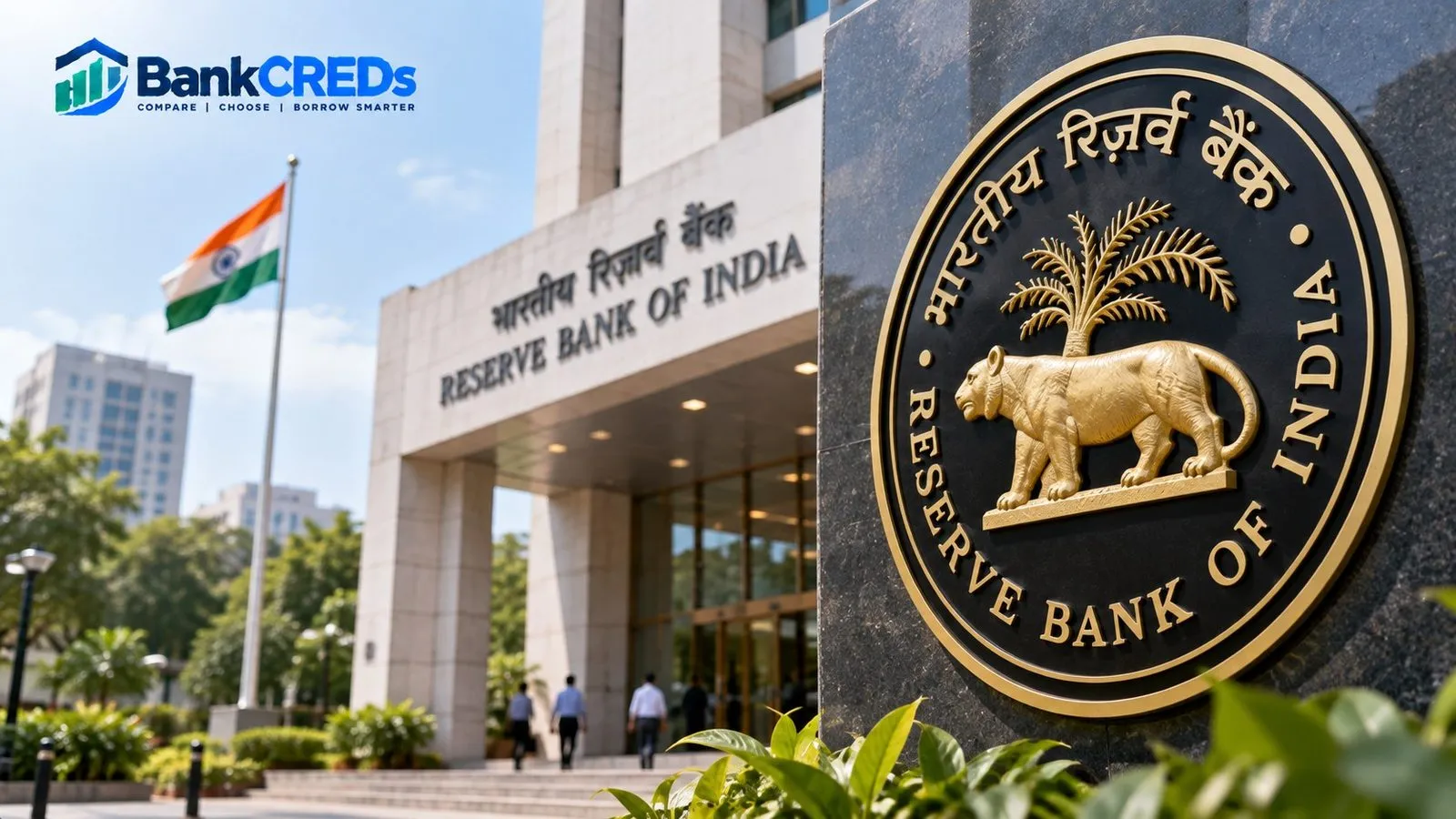
The Reserve Bank of India has restricted Puducherry Co-op Urban Bank and capped withdrawals. That's according to reporting by Business Standard. If you hold money there, you can't take out as much as you'd like. That's true for now.
Your savings haven't vanished. Deposits are usually insured up to ₹5 lakh per depositor, and RBI's notice sets the exact limits. Read that notice before you act.
Key takeaways
- RBI has restricted the bank and capped how much depositors can withdraw, as reported.
- Deposit insurance covers up to ₹5 lakh per depositor per bank.
- If you have a loan there, you still need to pay your EMIs.
- Check the bank's and RBI's official notices for the exact cap and its duration.
- Keep a backup account at another bank for daily needs.
How RBI restrictions on a co-operative bank work
RBI is the banking watchdog. It can step in when it worries about a bank's finances. It does this to protect depositors from bigger losses later.
The usual tools are limits on withdrawals, limits on new loans and limits on taking new deposits. These orders often run for a fixed period. RBI can then review them, extend them or remove them.
A restriction isn't the same as closing a bank. The branch can stay open. Many services may carry on, just within the new limits.
I don't have the exact cap or the length of the order. The headline doesn't give them, so please check the official notice.
What changes for savers and borrowers
For savers, the main change is access. You can't withdraw freely from your own account. Planned big payments, like fees or a wedding, need a backup plan.
Here's an example, purely for illustration. Say Meena has ₹80,000 in savings and the cap is ₹10,000 for the whole period. She can take out only ₹10,000. The rest stays in the account, and it's still hers.
For borrowers, nothing changes in what you owe. Your loan agreement still stands. You should keep paying EMIs, which are the fixed monthly payments on a loan. Missing them can hurt your credit record.
The table below shows how the ₹5 lakh insurance limit works. These figures are standing rules applied to sample balances.
| Total deposits in this bank | Insured amount | Not insured |
|---|---|---|
| ₹3 lakh | ₹3 lakh | ₹0 |
| ₹5 lakh | ₹5 lakh | ₹0 |
| ₹8 lakh | ₹5 lakh | ₹3 lakh |
| ₹12 lakh | ₹5 lakh | ₹7 lakh |
The limit counts principal and interest together. It applies per depositor, per bank. Your savings, fixed and recurring deposits in the same name are added up.
Who is affected
Depositors of this bank are hit first. That includes savers, pensioners and small shopkeepers who use it for daily cash. People who rely on it for salary credit may feel it too.
Borrowers are affected less, but they should stay alert. Payment processes can change. Ask the branch how to pay your EMI.
If you have large balances, your risk is bigger. Anything above ₹5 lakh isn't covered by insurance. Don't panic, though. Wait for RBI's next steps and the bank's updates.
What to do now
Stay calm and be practical. Here's a short checklist:
- Read the RBI notice and the bank's own notice for the cap and end date.
- Add up all your deposits in this bank, in your name.
- Check whether your total is within the ₹5 lakh insured limit.
- Open or use an account at another bank for daily spending.
- Keep paying loan EMIs on time. Use our EMI calculator to plan your budget.
- Avoid rumours on social media. Rely on official sources.
If cash is tight, a small personal loan from another lender is an option. Compare costs first on our interest rates page. Don't borrow in a rush. Follow more updates in our news hub.
Frequently asked questions
Is my money safe in Puducherry Co-op Urban Bank?
Deposits are insured up to ₹5 lakh per depositor per bank. RBI's order limits withdrawals but doesn't wipe out balances. Check the official notice for details.
Do I still have to pay my loan EMIs?
Yes. The restriction doesn't cancel or pause your loan. Keep paying on time to protect your credit record. Ask the branch how to pay.
How long will the withdrawal cap last?
The headline doesn't say. RBI orders like this usually run for a set period and are then reviewed. Check the RBI notice for the exact dates.
BankCreds analysis
Most people hear "RBI restrictions" and panic. That's usually the wrong reaction. Your money isn't gone, and the bank isn't automatically closed.
The real issue is access. A small family with ₹60,000 in one account may still need rent or school fees this month. A cap can pinch even when every rupee is safe. Move your daily spending to another bank account now.
What this does not mean
It doesn't mean every co-operative bank is shaky. Thousands run well. It also doesn't mean the cap is forever. RBI reviews such limits and can lift them.
The bigger lesson is spreading savings. Keeping everything in one small bank is the risk. Splitting money across two or three banks keeps more of it inside the ₹5 lakh insured limit.
This section is BankCreds' own assessment of what the development means for Indian borrowers and savers. It is independent commentary, not part of the source reporting above.
Sources & references
- Business Standard — originating report https://www.business-standard.com/industry/banking/rbi-imposes-restrictions-on-puducherry-co-op-urban-bank-caps-withdrawals-126102101251_1.html
- Reserve Bank of India — RBI notices and directions on banks are published here https://www.rbi.org.in/Scripts/NotificationUser.aspx
- DICGC deposit insurance — Deposit insurance covers up to ₹5 lakh per depositor per bank https://www.dicgc.org.in/
Source links are shown as plain text, not clickable links. Copy a URL into your browser to read the original report.
Editorial note & disclaimer
How this was reported. The development above is attributed to the source or sources listed. BankCreds does not independently verify a third party's reporting; where a figure or a regulatory position is stated as fact, it is either attributed or drawn from the regulator's own published material. Everything under "BankCreds analysis" is our own assessment.
Rates and figures. Interest rates, per-gram values and premium bands quoted here are indicative, move daily, and differ by borrower profile, city and lender policy. Confirm the final number with the institution before you act on it — the sanction letter or policy schedule governs, not a news report.
Not financial advice. This article is general information for an Indian audience. It is not investment, tax, credit or insurance advice, takes no account of your circumstances, and BankCreds is not a lender, broker, distributor or advisor. Consider speaking to a SEBI-registered investment adviser or a qualified professional before acting.
Editorial policy · Fact-checking policy · Corrections policy · Our authors · About BankCreds · Contact us
Spotted an error? Corrections are published, not quietly edited — write to us via the contact page and see our corrections policy.