


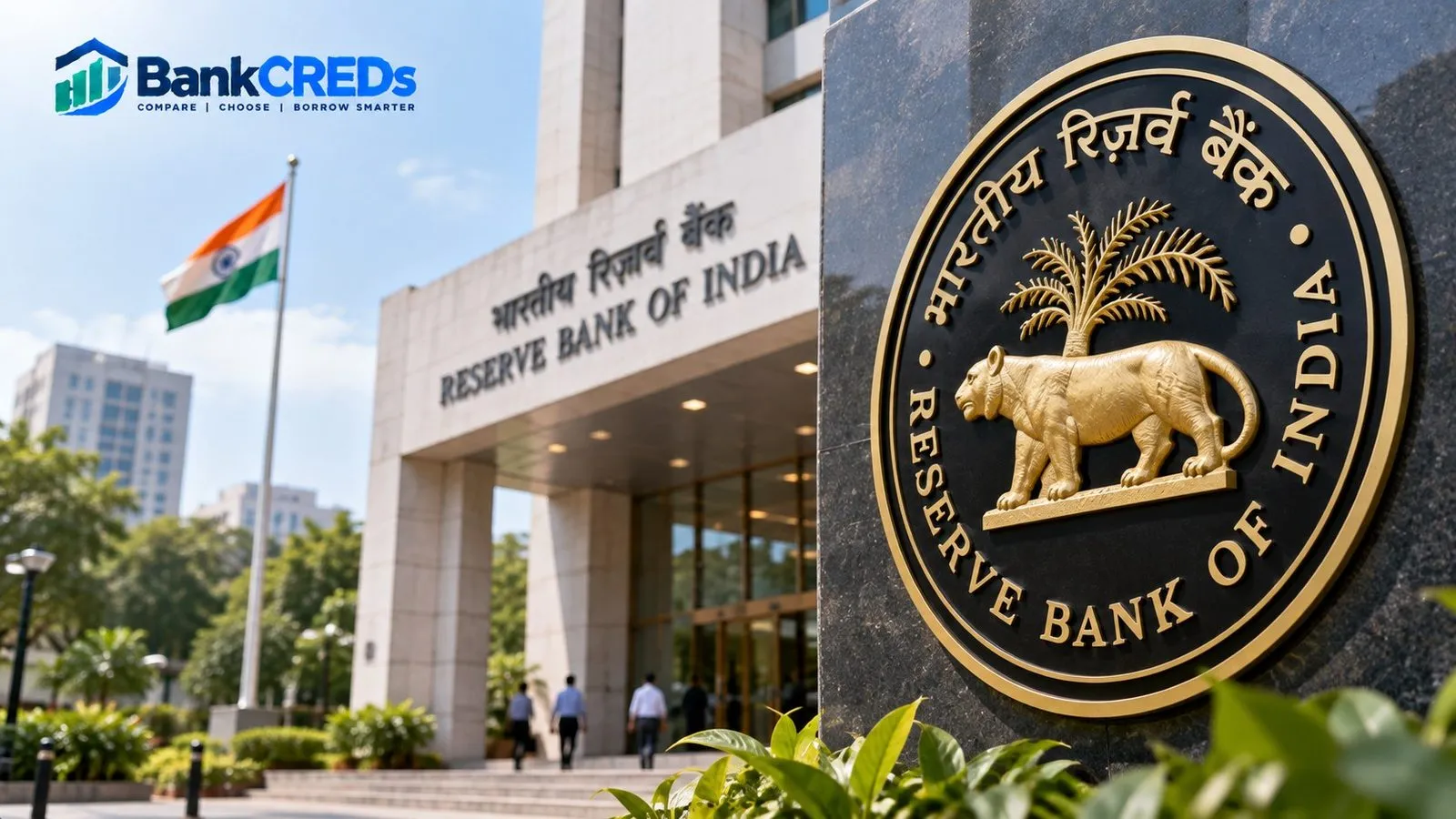
The RBI has raised the repo rate, according to reporting by Upstox. If you have a floating-rate loan, your EMI may go up soon.
The short answer: loan rates usually rise first, and deposit rates often follow later. Many people now wonder if SBI and other banks will pay more on fixed deposits. Wait for your bank's own rate card before you decide.
Key takeaways
- A repo rate hike makes money costlier for banks, so loan rates rise quickly.
- FD rates may rise too, but each bank decides when and by how much.
- Floating-rate borrowers feel the change first, through a higher EMI or a longer loan.
- The report points to comments from SBI's chairman on deposit rates. We don't have the full details.
- Don't rush into a long deposit before your bank announces its new rates.
How a repo rate hike works
The repo rate is the rate at which the RBI lends money to banks. Think of it as the starting price of money in the economy. When it goes up, banks pay more to borrow.
Banks pass that cost on to you. Loans linked to the repo rate get costlier almost at once. Many home loans and some personal loans work this way.
Deposits move differently. A bank needs money from savers, so it may raise FD rates when it wants more deposits. If it already has plenty of cash, it may wait. That's why banks don't all act the same way, even after one RBI decision.
What changes for savers and borrowers
Let's look at simple examples. These numbers are only for illustration. They aren't real bank rates, and we don't know the size of the hike from the headline.
| Example | Before | After (a 0.25% rise) | Difference |
|---|---|---|---|
| EMI on ₹30 lakh home loan, 20 years | 8.50%: ₹26,035 | 8.75%: about ₹26,510 | About ₹475 more a month |
| One-year interest on ₹1 lakh FD | 6.50%: ₹6,500 | 6.75%: ₹6,750 | ₹250 more |
| One-year interest on ₹10 lakh FD | 6.50%: ₹65,000 | 6.75%: ₹67,500 | ₹2,500 more |
So a small hike moves your monthly budget a little. It adds up over many years, though. On a 20-year loan, ₹475 a month is more than ₹1.1 lakh in extra payments.
You can test your own loan with the EMI calculator. Just try a rate that's 0.25% higher and see the change.
Who is affected
Floating-rate borrowers are hit first. This includes many people with a home loan tied to an external benchmark. Your bank usually tells you by SMS or email when the rate changes.
Fixed-rate borrowers are safe for now. Their rate is locked for the loan term. A new loan, though, will likely cost more than before.
Savers may gain, but only slowly. New deposits and renewals get the new rates. Older FDs keep their old rate until they mature. Senior citizens, who often get a slightly higher FD rate, may gain the most.
People planning a personal loan should also expect slightly higher offers. Lenders price new loans off their own costs.
What to do now
You don't need to panic. A few calm steps will do.
- Check whether your loan is floating or fixed. Your sanction letter will say.
- Wait for your EMI change message, then see if the bank raised the rate or the loan term.
- If you can, pay a little extra toward the loan each year. It cuts total interest.
- Before booking an FD, compare banks on the interest rates page.
- Keep each bank's deposits within the insured limit of ₹5 lakh per depositor per bank.
- Don't break an old FD early. The penalty can cancel the gain.
For more updates like this, follow the news hub.
Frequently asked questions
Will SBI raise fixed deposit rates after the repo rate hike?
It may, but no bank has to. Banks raise FD rates when they need more deposits. Check SBI's official rate card for the latest figures.
Will my home loan EMI go up?
If your loan is floating-rate and linked to the repo rate, yes, it usually does. Your bank may raise the EMI or stretch the loan term.
Should I book a long FD right now?
Not in a hurry. Rates may still be rising, so a short wait could earn you more. Compare a few banks first, and pick a term that fits your needs.
BankCreds analysis
The hike matters, but it's smaller than the headline feels. A quarter-point rise adds roughly ₹475 a month to a ₹30 lakh home loan EMI. A saver with ₹10 lakh in an FD might earn ₹2,500 more a year. That's only if the bank passes it on.
Borrowers lose more than savers gain. Loan rates rise fast, while FD rates rise slowly and often by less. Retired savers living on FD interest gain the most from a rise, but only when they renew.
What not to read into it
A hike doesn't mean every bank will lift FD rates this week. It also doesn't mean you should break an old FD to chase a new one. Early-exit penalties can wipe out the extra interest. This week, check your loan's rate type and wait for your bank's new rate card.
This section is BankCreds' own assessment of what the development means for Indian borrowers and savers. It is independent commentary, not part of the source reporting above.
Sources & references
- Upstox — originating report https://upstox.com/news/personal-finance/investing/rbi-repo-rate-hike-will-sbi-other-banks-increase-fixed-deposit-rates-here-is-what-state-bank-of-india-chairman-c-s-setty-said/article-201555/
- Reserve Bank of India — repo rate is set by the RBI https://www.rbi.org.in/
- DICGC deposit insurance — bank deposits are insured up to ₹5 lakh per depositor per bank https://www.dicgc.org.in/
Source links are shown as plain text, not clickable links. Copy a URL into your browser to read the original report.
Editorial note & disclaimer
How this was reported. The development above is attributed to the source or sources listed. BankCreds does not independently verify a third party's reporting; where a figure or a regulatory position is stated as fact, it is either attributed or drawn from the regulator's own published material. Everything under "BankCreds analysis" is our own assessment.
Rates and figures. Interest rates, per-gram values and premium bands quoted here are indicative, move daily, and differ by borrower profile, city and lender policy. Confirm the final number with the institution before you act on it — the sanction letter or policy schedule governs, not a news report.
Not financial advice. This article is general information for an Indian audience. It is not investment, tax, credit or insurance advice, takes no account of your circumstances, and BankCreds is not a lender, broker, distributor or advisor. Consider speaking to a SEBI-registered investment adviser or a qualified professional before acting.
Editorial policy · Fact-checking policy · Corrections policy · Our authors · About BankCreds · Contact us
Spotted an error? Corrections are published, not quietly edited — write to us via the contact page and see our corrections policy.