


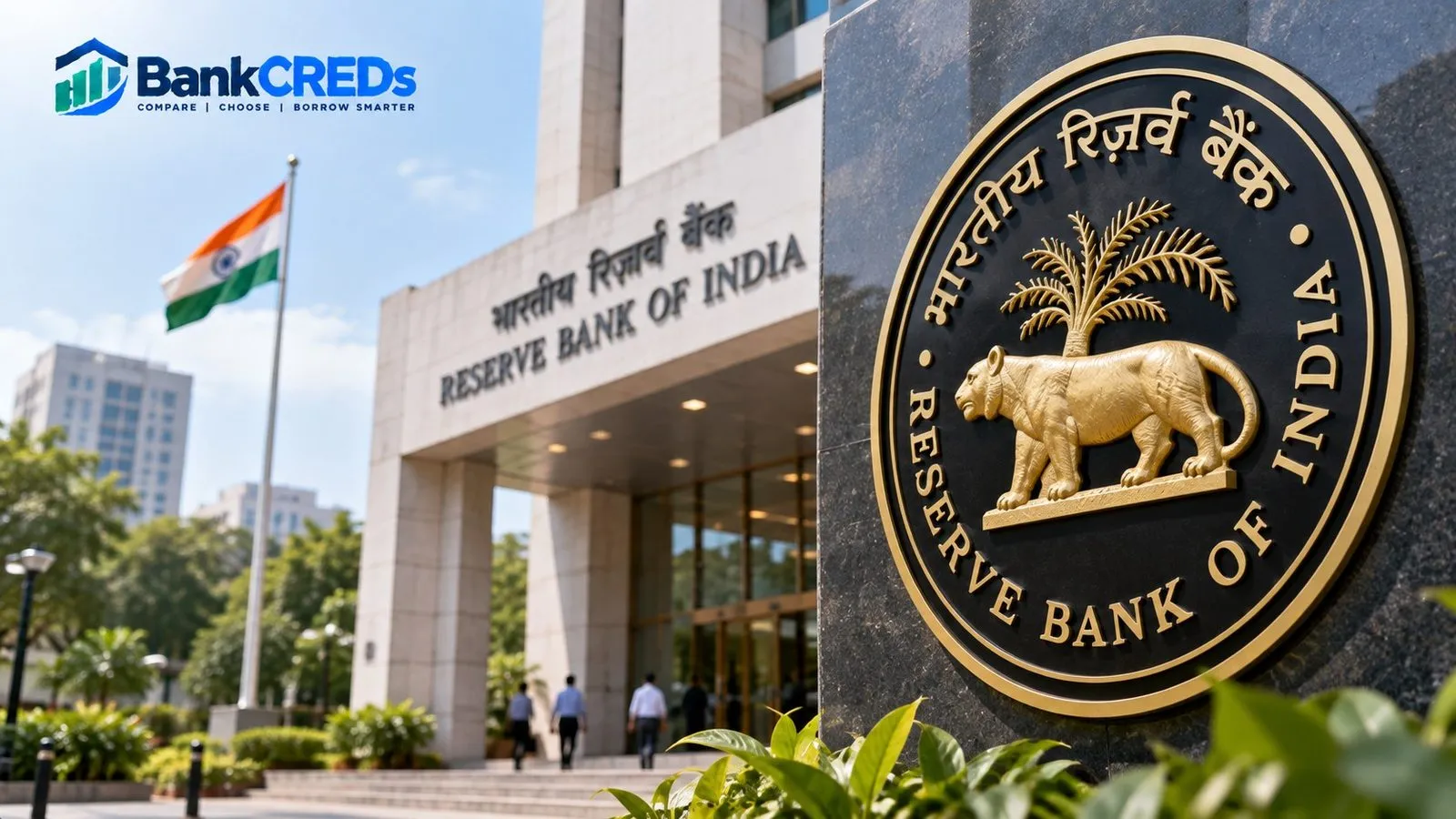
The Reserve Bank of India has issued amended directions for small finance banks. They cover securitisation deals, according to reporting by TaxGuru. Securitisation means a bank bundles its loans and sells them to investors.
For you as a borrower, your loan doesn't change on its own. Your EMI, interest rate and due date stay as written in your loan agreement. The new rules mostly shape how the bank manages its money and risk.
Key takeaways
- RBI has amended its securitisation directions for small finance banks, as reported by TaxGuru.
- Securitisation is when a bank sells a bundle of its loans to investors.
- Your existing EMI and loan terms don't change because of this.
- The rules may affect how easily small finance banks raise money to lend.
- Keep paying your EMI to the same bank, as before.
How securitisation works in simple terms
Think of a bank as a shop that gives out loans. Each loan ties up the bank's money for years. That limits how many new loans the bank can give.
To free up money, a bank can bundle many loans together. It then sells that bundle to investors. The investors get the repayments that borrowers make. The bank gets cash today and can lend again.
The bank usually still collects your EMI. You often won't notice any change. You keep paying the same account, on the same date.
We only know the headline of this amendment. The full text isn't covered in the report we've seen. So we can't say which rules were added or changed. Small finance banks should follow the final text on the RBI website.
What changes for borrowers and savers
For most people, very little changes right away. Your loan agreement is a contract. A change in bank rules doesn't rewrite it.
The effect, if any, is indirect. Securitisation helps a bank fund more loans. If the rules make it clearer and safer, small banks may find it easier to lend. If the rules get stricter, they may lend a bit more carefully.
Here is a simple example. These are made-up numbers to show the idea.
| Step | Bank's loan book | Cash for new loans |
|---|---|---|
| Before the sale | ₹100 crore in loans | ₹0 |
| Bank sells a pool | ₹60 crore in loans | ₹40 crore |
| Bank lends the cash again | ₹100 crore in loans | ₹0 |
| Loans given in total | ₹140 crore over time | Same bank, more borrowers |
So the bank served more people with the same starting money. That's the main reason banks use this tool. It's not about changing your EMI. You can test your own EMI with the EMI calculators.
Savers are also not directly hit. Deposits in a bank are a separate matter from loan sales. Deposits up to ₹5 lakh per depositor in each bank are covered by deposit insurance.
Who is affected by the new directions
The rules are aimed at small finance banks. These are banks that focus on small borrowers, such as shop owners, farmers and small firms. They often give small loans that big banks skip.
Those most likely to feel an effect are:
- Small finance banks that sell loan pools to investors.
- Investors who buy those pools.
- Borrowers who may get more or less credit over the coming months.
If you borrow from a bank like this, you're a borrower, not a party to the deal. Your rights stay with your loan agreement. You can read more on rates in our interest rates tables.
What to do now
You don't need to rush anywhere. A few calm steps are enough.
- Keep paying your EMI on time to the same bank.
- Check your loan statement once a month.
- Don't pay anyone who calls about your loan being sold.
- Read official RBI notices if you want the exact rules.
- Compare offers on our personal loan page before you borrow again.
If you get a message about your loan, call the bank using the number on its official site. Don't share OTPs or card details with anyone. For more updates like this, visit the news hub.
Frequently asked questions
Will my EMI change because of this RBI amendment?
No. Your EMI follows your loan agreement. This rule change is about how banks handle loan sales, not what you pay.
What does securitisation mean for a borrower?
It means your bank may sell the right to your repayments to an investor. You still repay the same way. Your bank usually keeps collecting the EMI.
Does this apply to all banks?
According to the headline, it covers small finance banks. Other banks follow their own directions. Check the RBI site for the full text.
BankCreds analysis
This is a rule change for banks, not for borrowers. Your EMI and rate won't change because of it, even with a small finance bank loan.
The real effect shows up slowly. Say a bank can fund an extra ₹10 crore of loans by selling an older pool. At a 2% gap between its cost and your rate, that room is small but real. Clearer rules can keep credit flowing to small shop owners and self-employed borrowers.
What not to read into it
Don't treat this as a sign that a small finance bank is in trouble. Banks use securitisation in normal times too. This week, do nothing different. Just keep your repayment dates safe and check your loan statement once a month.
This section is BankCreds' own assessment of what the development means for Indian borrowers and savers. It is independent commentary, not part of the source reporting above.
Sources & references
- TaxGuru — originating report https://taxguru.in/rbi/reserve-bank-india-small-finance-banks-securitisation-transactions-amendment-directions-2026.html
- RBI Master Directions — RBI issues directions that small finance banks must follow https://www.rbi.org.in/Scripts/BS_ViewMasDirections.aspx
- RBI notifications and circulars — Where RBI publishes amendment directions and circulars https://www.rbi.org.in/Scripts/NotificationUser.aspx
Source links are shown as plain text, not clickable links. Copy a URL into your browser to read the original report.
Editorial note & disclaimer
How this was reported. The development above is attributed to the source or sources listed. BankCreds does not independently verify a third party's reporting; where a figure or a regulatory position is stated as fact, it is either attributed or drawn from the regulator's own published material. Everything under "BankCreds analysis" is our own assessment.
Rates and figures. Interest rates, per-gram values and premium bands quoted here are indicative, move daily, and differ by borrower profile, city and lender policy. Confirm the final number with the institution before you act on it — the sanction letter or policy schedule governs, not a news report.
Not financial advice. This article is general information for an Indian audience. It is not investment, tax, credit or insurance advice, takes no account of your circumstances, and BankCreds is not a lender, broker, distributor or advisor. Consider speaking to a SEBI-registered investment adviser or a qualified professional before acting.
Editorial policy · Fact-checking policy · Corrections policy · Our authors · About BankCreds · Contact us
Spotted an error? Corrections are published, not quietly edited — write to us via the contact page and see our corrections policy.