


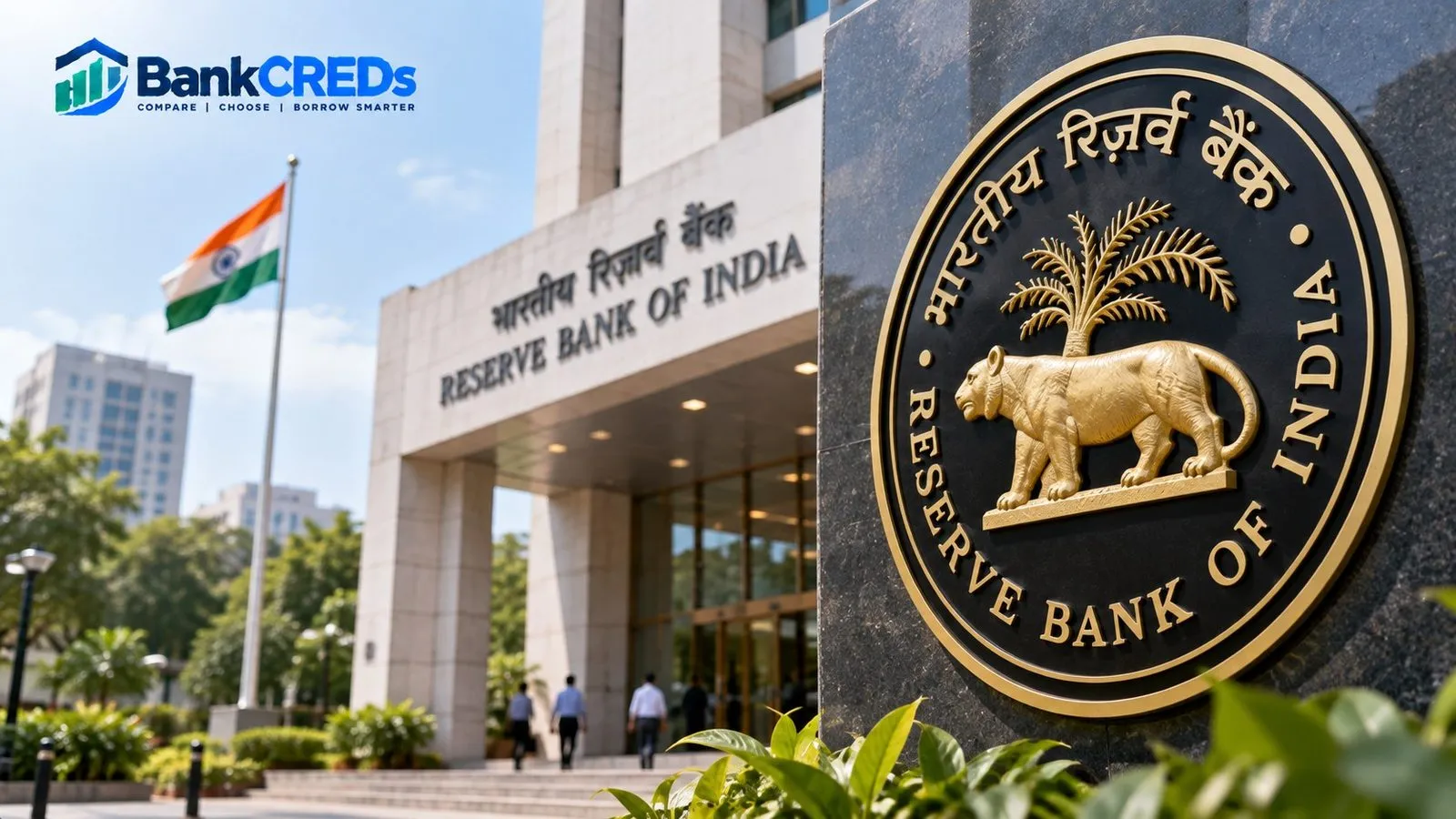
The RBI Governor has asked non-bank lenders and housing finance companies to strengthen their cyber defences. According to reporting by ETLegalWorld.com, the message also says company boards must oversee this work directly.
For you, this points to safer loan apps and better care of your personal data over time. Nothing changes in your EMI or interest rate today.
Key takeaways
- The RBI wants NBFCs and HFCs to build stronger cyber security.
- Boards of these lenders should oversee cyber risk themselves.
- Your loan terms and EMIs stay the same for now.
- Your data should become safer, but you still need to stay alert.
- Scams can still happen, so your own habits matter.
How board-level cyber oversight works
An NBFC is a non-bank finance company. It lends money but isn't a bank. An HFC is a housing finance company. It gives home loans. Both hold a lot of your private data.
Cyber defence means protecting that data from hackers and fraud. It covers strong passwords, safe servers, and quick action when something goes wrong.
Board-level oversight means the top leaders must own the issue. They can't leave it only to the tech team. They should ask questions, review risks, and make sure money is spent where it's needed.
The RBI already has rules on IT and cyber security for regulated lenders. You can read the RBI's directions on its website. This message is a push to follow them better.
What changes for borrowers and savers
You won't see a new fee or a rate change. The change is behind the scenes. Lenders may add more checks, ask for stronger logins, or limit who can view your records.
Here's why it matters. Say a fraudster steals your details and takes a loan in your name. Look at the cost of a loan like that.
| Item | Example figure |
|---|---|
| Fake loan amount | Rs 5,00,000 |
| Interest rate | 14% a year |
| Tenure | 3 years |
| Monthly EMI | About Rs 17,090 |
| Total interest paid | About Rs 1.15 lakh |
Sorting out a fake loan like this takes months of stress. Better lender security helps stop it before it starts. You can check your own numbers with the EMI calculators.
Savers who invest in NBFC fixed deposits also gain. A lender with strong security is less likely to suffer a major breach.
Who is affected
Anyone who has taken a loan from a non-bank lender or a housing finance company is affected. This includes personal loan users, two-wheeler loan borrowers, and home loan customers.
Instant loan app users should pay extra attention. These apps collect a lot of data in a few minutes. Read our instant loan hub to learn how to pick safer options.
Lenders themselves are affected most. Smaller NBFCs may need to spend more on tech and staff. Some may take time to catch up. That's one reason you should still stay careful.
What to do now
You don't need to wait for lenders. A few simple steps protect you today.
- Check that your lender is registered with the RBI before you share any ID.
- Use only the official app or website of the lender.
- Never share your OTP, PIN or password with anyone, even a caller who sounds helpful.
- Check your credit report every few months for loans you don't recognise.
- Report any fraud to your lender and to the bank at once.
If you're comparing offers, look at the full picture, not just the rate. Our personal loan guides and home loan EMI guides can help you compare.
Frequently asked questions
Will this change my loan interest rate or EMI?
No. This is a direction on cyber security and board oversight. It doesn't change rates, fees or your repayment amount.
Does this mean my data was leaked?
No. The reporting doesn't say any leak happened. It's about making lenders stronger before problems occur.
How can I check if an NBFC is genuine?
Look for the lender in the RBI's list of registered NBFCs on its website. If it isn't there, don't share your documents or money.
BankCreds analysis
This news is about lenders' internal rules, not your wallet. Your EMI, your rate and your loan terms stay the same. Don't expect any change in what you pay.
The real gain is slow and quiet. When a board must answer for cyber safety, money gets spent on it. That usually means fewer leaks of your PAN, Aadhaar and phone number.
Who gains most
A salaried person with a Rs 5 lakh personal loan shares a lot of data. That includes ID proof, salary slips and bank details. A leak can lead to fake loan offers and scam calls. Stronger defences cut that risk.
Don't over-read the headline, though. A direction from the Governor isn't a guarantee. Your own habits still matter more this week. Use official apps, keep your OTP private, and check your credit report often.
This section is BankCreds' own assessment of what the development means for Indian borrowers and savers. It is independent commentary, not part of the source reporting above.
Sources & references
- ETLegalWorld.com — originating report https://legal.economictimes.indiatimes.com/news/regulators/rbi-governor-asks-nbfcs-hfcs-to-strengthen-cyber-defences-ensure-board-level-oversight/136112136
- Reserve Bank of India — RBI supervises NBFCs and housing finance companies https://www.rbi.org.in/
- RBI Master Directions — IT and cyber security rules for regulated lenders https://www.rbi.org.in/Scripts/BS_ViewMasDirections.aspx
Source links are shown as plain text, not clickable links. Copy a URL into your browser to read the original report.
Editorial note & disclaimer
How this was reported. The development above is attributed to the source or sources listed. BankCreds does not independently verify a third party's reporting; where a figure or a regulatory position is stated as fact, it is either attributed or drawn from the regulator's own published material. Everything under "BankCreds analysis" is our own assessment.
Rates and figures. Interest rates, per-gram values and premium bands quoted here are indicative, move daily, and differ by borrower profile, city and lender policy. Confirm the final number with the institution before you act on it — the sanction letter or policy schedule governs, not a news report.
Not financial advice. This article is general information for an Indian audience. It is not investment, tax, credit or insurance advice, takes no account of your circumstances, and BankCreds is not a lender, broker, distributor or advisor. Consider speaking to a SEBI-registered investment adviser or a qualified professional before acting.
Editorial policy · Fact-checking policy · Corrections policy · Our authors · About BankCreds · Contact us
Spotted an error? Corrections are published, not quietly edited — write to us via the contact page and see our corrections policy.