


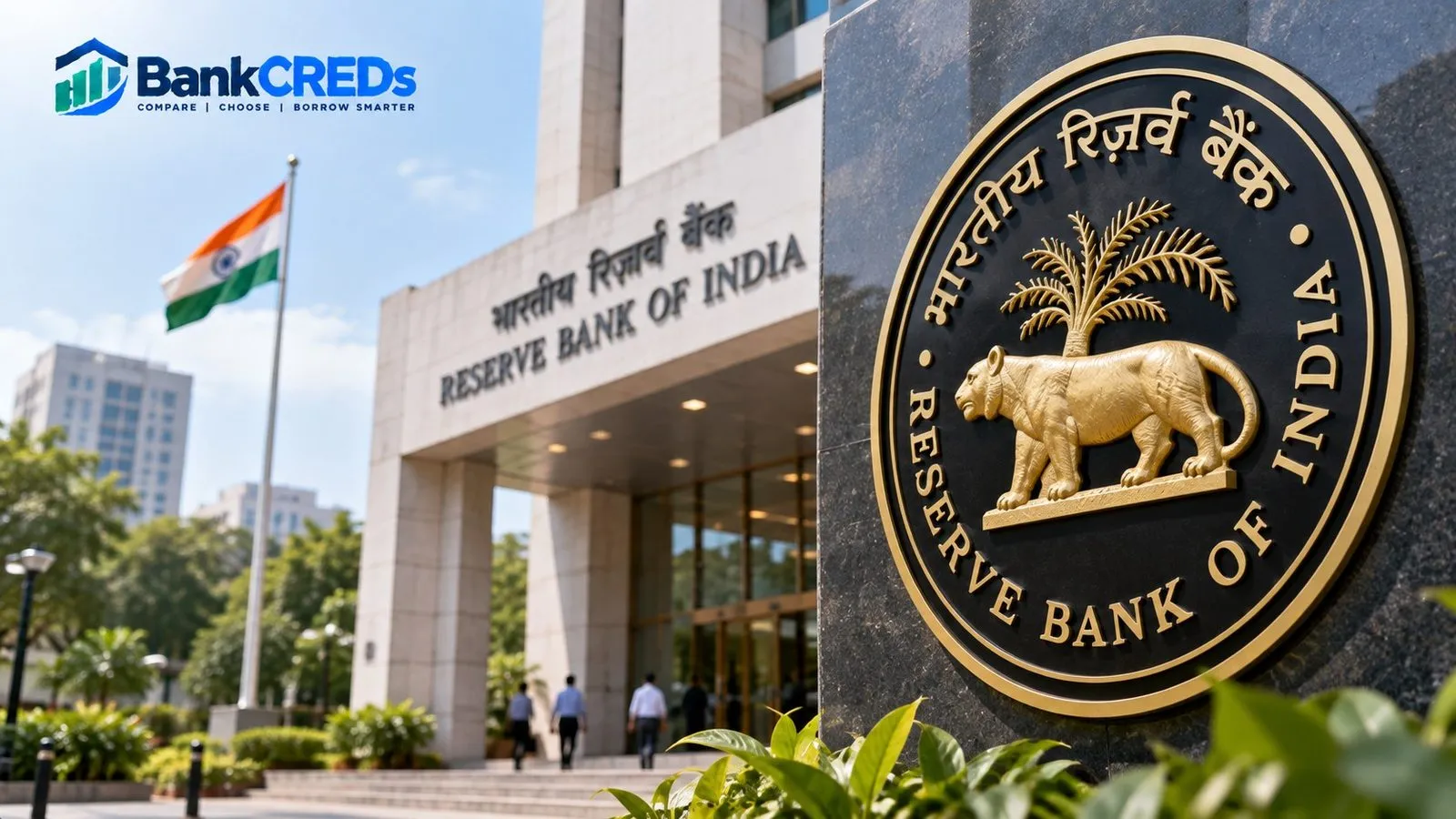
A data centre linked to the Reserve Bank of India (RBI) is meant to make payment systems stronger. It should also make them safer. That's according to reporting by The Economic Times.
For you, the goal is simple. You should see fewer failed transfers, faster recovery when something breaks, and better protection from online attacks.
Key takeaways
- The RBI data centre is meant to strengthen payment systems and cyber resilience.
- Cyber resilience means a system can resist attacks and bounce back fast.
- You won't get a new app or a new fee because of this.
- Reported details are limited, so exact dates and costs aren't known yet.
- Strong systems can't stop every scam, so your own habits still matter.
How a payment data centre works
A data centre is a secure building full of powerful computers. These computers store data and run services all day and night.
Payment systems like UPI, NEFT and RTGS depend on machines like these. Each time you send money, computers check it, record it and confirm it.
If one centre fails, a backup should take over quickly. Good planning keeps money moving even during a power cut or a cyber attack.
The report doesn't share technical details. So we can't say which services will use the new centre first. Wait for official RBI notes for that.
What changes for your money
You won't pay anything extra because of this. It's a behind-the-scenes upgrade, and the benefit shows up when things go wrong.
Here's an example. Say your home loan EMI is ₹12,000 and it's due today. Your bank app is down, and the payment fails. Some lenders charge a late fee. If that fee is 2%, you'd pay ₹240 for one missed payment.
| Situation | Example amount | Possible cost to you |
|---|---|---|
| EMI paid on time | ₹12,000 | ₹0 extra |
| EMI fails, fixed within a day | ₹12,000 | Often ₹0 if grace is allowed |
| EMI missed, 2% late fee | ₹12,000 | ₹240 |
| Rent transfer delayed | ₹25,000 | Stress and maybe a small penalty |
Late fee rules differ from lender to lender. Check your loan papers for your own terms. You can also try the EMI calculator to see how a missed payment affects your plan.
A stronger system means fewer days like this. That's the real gain.
Who is affected
Almost everyone who uses digital payments is touched by this. That includes people who pay by UPI, cards or net banking.
Small shopkeepers gain a lot. When payments fail, they lose sales and customers walk away.
Borrowers with monthly EMIs gain too. A smooth system means your payment lands on the due date.
Senior citizens and first-time users may feel it most. They often panic when a transfer hangs, and they're easier targets for fake helpline scams.
Banks and payment apps are affected as well. They'll need to connect to the stronger setup, though the report doesn't say how or when.
What to do now
You don't need to change anything big. A few small habits will protect you whatever happens to the system.
- Pay your EMI one or two days before the due date.
- Keep a backup way to pay, like a second UPI app or a card.
- Never share your OTP, PIN or card details with anyone.
- Save a screenshot or receipt for every large payment.
- Follow official updates in our news hub for confirmed details.
If a payment fails and money leaves your account, wait a little. Most refunds arrive on their own within a few days. If not, call your bank using the number on its official site.
Frequently asked questions
Will this data centre change my UPI or bank charges?
Nothing in the report says charges will change. It's an infrastructure upgrade, so you shouldn't expect a new fee.
Does this make my money completely safe from cyber fraud?
No. It protects the payment system itself. Scams that trick you into sharing an OTP or PIN can still happen.
When will I notice a difference?
Probably not in a clear way. Better systems show up as fewer outages over time. The report doesn't give a launch date.
BankCreds analysis
Less dramatic than it sounds
This is mostly good news, but it's not a change you'll feel next week. Your UPI app won't get faster tomorrow. Your loan rate won't move because of a data centre.
Here's the rupee view. Say you pay a ₹15,000 EMI and a failed transfer costs a 2% late fee. That's ₹300. A stronger backup system cuts the odds of that outage. It can't cut them to zero.
The bigger risk to you is still scams. Most money lost in India's digital payments comes from people sharing OTPs or clicking fake links. A strong data centre can't stop that. Your own habits can.
So don't change your plans. Just pay EMIs a day early and guard your PIN.
This section is BankCreds' own assessment of what the development means for Indian borrowers and savers. It is independent commentary, not part of the source reporting above.
Sources & references
- The Economic Times — originating report https://m.economictimes.com/industry/banking/finance/banking/rbi-data-centre-to-strengthen-payment-systems-cyber-resilience/amp_articleshow/135194472.cms
- Reserve Bank of India — RBI's role in overseeing India's payment systems https://www.rbi.org.in/
Source links are shown as plain text, not clickable links. Copy a URL into your browser to read the original report.
Editorial note & disclaimer
How this was reported. The development above is attributed to the source or sources listed. BankCreds does not independently verify a third party's reporting; where a figure or a regulatory position is stated as fact, it is either attributed or drawn from the regulator's own published material. Everything under "BankCreds analysis" is our own assessment.
Rates and figures. Interest rates, per-gram values and premium bands quoted here are indicative, move daily, and differ by borrower profile, city and lender policy. Confirm the final number with the institution before you act on it — the sanction letter or policy schedule governs, not a news report.
Not financial advice. This article is general information for an Indian audience. It is not investment, tax, credit or insurance advice, takes no account of your circumstances, and BankCreds is not a lender, broker, distributor or advisor. Consider speaking to a SEBI-registered investment adviser or a qualified professional before acting.
Editorial policy · Fact-checking policy · Corrections policy · Our authors · About BankCreds · Contact us
Spotted an error? Corrections are published, not quietly edited — write to us via the contact page and see our corrections policy.