


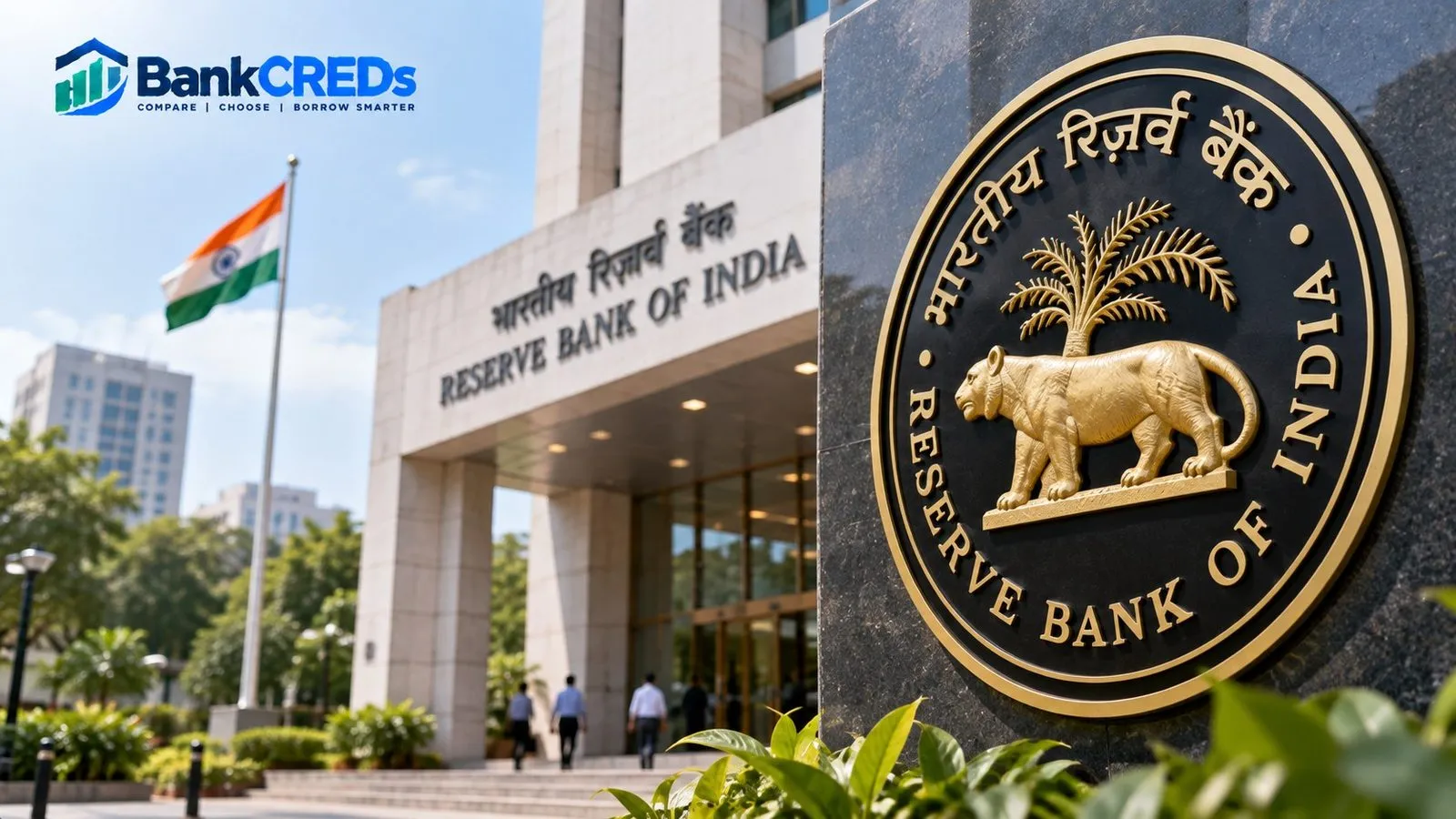
The Reserve Bank of India (RBI) has explained who must file an export declaration form. It's tied to the new FEMA rules, according to reporting by Livemint.
If you sell goods or services abroad, check your own case now. The clarification also covers exemptions and thresholds, so not every exporter has to file.
Key takeaways
- RBI has put out FAQs on the export declaration form under the new FEMA rules, as reported.
- Some exporters are exempt, and some cases depend on thresholds.
- Your bank is the first place to confirm what applies to you.
- A missing or wrong form can delay your export payment.
- The headline gives no exact limits, so read the RBI text before you act.
How the export declaration form works
FEMA stands for the Foreign Exchange Management Act. It's the law that governs money moving in and out of India. An export declaration is a form where an exporter tells their bank about goods or services sent abroad. It also states the payment that's due.
The bank here is called an authorised dealer. That just means a bank allowed to handle foreign currency. The form lets the system match each shipment with its payment. That way, RBI can see that export money comes back to India on time.
What changes for small exporters and online sellers
Livemint reports that RBI answered common questions in a set of FAQs. We only have the headline, so we won't guess the exact thresholds. What we can say is why clear rules help you. They mean fewer rejected files and fewer back-and-forth calls with the bank.
Here's a simple example. An online seller ships handmade goods worth $2,000 to a buyer abroad. At an example rate of ₹85 per dollar, that's ₹1,70,000. If the form is needed and you skip it, the payment can get stuck at the bank. Fixing it later costs time, and time hurts cash flow.
The table below shows example shipment values. These are not RBI thresholds.
| Example shipment (USD) | Value in rupees at ₹85 | What to do |
|---|---|---|
| $500 | ₹42,500 | Ask your bank if a form is needed |
| $2,000 | ₹1,70,000 | Confirm exemptions before shipping |
| $10,000 | ₹8,50,000 | Keep invoice and bank details ready |
| $25,000 | ₹21,25,000 | Talk to your bank before you ship |
These numbers only show how values add up. Your own case may fall under an exemption.
Who is affected by the new FEMA clarification
Anyone who earns foreign currency from India may be touched by this. That includes people who sell goods abroad. It also includes freelancers and firms that export services.
Small sellers on online marketplaces should look closely. Many of them ship in small lots and don't deal with banks often. Exporters who already file regularly will likely see little change. They should still read the FAQs once to confirm.
The exact groups that are exempt are in RBI's own text. We haven't seen it, so please check the source and not just news summaries.
What to do now
You don't need to rush. A calm, short checklist is enough.
- Read the RBI FAQs on its notifications page.
- Note whether your kind of export is exempt or has a threshold.
- Call or visit your bank and ask about your case.
- Keep your invoices, shipping papers and buyer details in one folder.
- File the form on time if it applies to you.
If delayed export money affects your loan payments, plan ahead. You can test your monthly burden with our EMI calculators. For more updates like this, visit the news hub.
Frequently asked questions
Who needs to file an export declaration form?
According to Livemint, RBI has clarified this under the new FEMA rules. The full list of who files and who's exempt is in RBI's FAQs. Check them or ask your bank.
Does every exporter have to file the form?
No, not necessarily. The report says the FAQs cover exemptions and thresholds. Some exporters may not need to file at all.
What happens if I don't file when I should?
The usual risk is delay or trouble in receiving your export payment through the bank. Penalties depend on the rules, so ask your bank early. Read more on our news page as the story develops.
BankCreds analysis
This news matters most to small sellers, not big exporters. Large firms already have trade desks and bank contacts. A home-based seller shipping abroad a few times a year often doesn't.
The real cost of a paperwork slip is time. Say you wait two months for ₹1,70,000. If you had planned to pay a ₹12,000 EMI from that money, you'd cover it from savings or borrow. That can cost far more than the form itself.
Don't over-read this story. A clarification isn't a new burden. It mostly explains rules that already exist. So don't panic, and don't ignore it either. Spend ten minutes this week asking your bank one question: does my kind of export need the form?
This section is BankCreds' own assessment of what the development means for Indian borrowers and savers. It is independent commentary, not part of the source reporting above.
Sources & references
- Livemint — originating report https://www.livemint.com/money/personal-finance/rbi-clarifies-new-fema-rules-who-needs-to-file-export-declaration-form-with-bank-check-faqs-on-exemptions-thresholds-11795220937310.html
- RBI notifications and circulars — Where RBI publishes FEMA circulars and FAQs https://www.rbi.org.in/Scripts/NotificationUser.aspx
- RBI Master Directions — Standing directions on export of goods and services https://www.rbi.org.in/Scripts/BS_ViewMasDirections.aspx
Source links are shown as plain text, not clickable links. Copy a URL into your browser to read the original report.
Editorial note & disclaimer
How this was reported. The development above is attributed to the source or sources listed. BankCreds does not independently verify a third party's reporting; where a figure or a regulatory position is stated as fact, it is either attributed or drawn from the regulator's own published material. Everything under "BankCreds analysis" is our own assessment.
Rates and figures. Interest rates, per-gram values and premium bands quoted here are indicative, move daily, and differ by borrower profile, city and lender policy. Confirm the final number with the institution before you act on it — the sanction letter or policy schedule governs, not a news report.
Not financial advice. This article is general information for an Indian audience. It is not investment, tax, credit or insurance advice, takes no account of your circumstances, and BankCreds is not a lender, broker, distributor or advisor. Consider speaking to a SEBI-registered investment adviser or a qualified professional before acting.
Editorial policy · Fact-checking policy · Corrections policy · Our authors · About BankCreds · Contact us
Spotted an error? Corrections are published, not quietly edited — write to us via the contact page and see our corrections policy.