


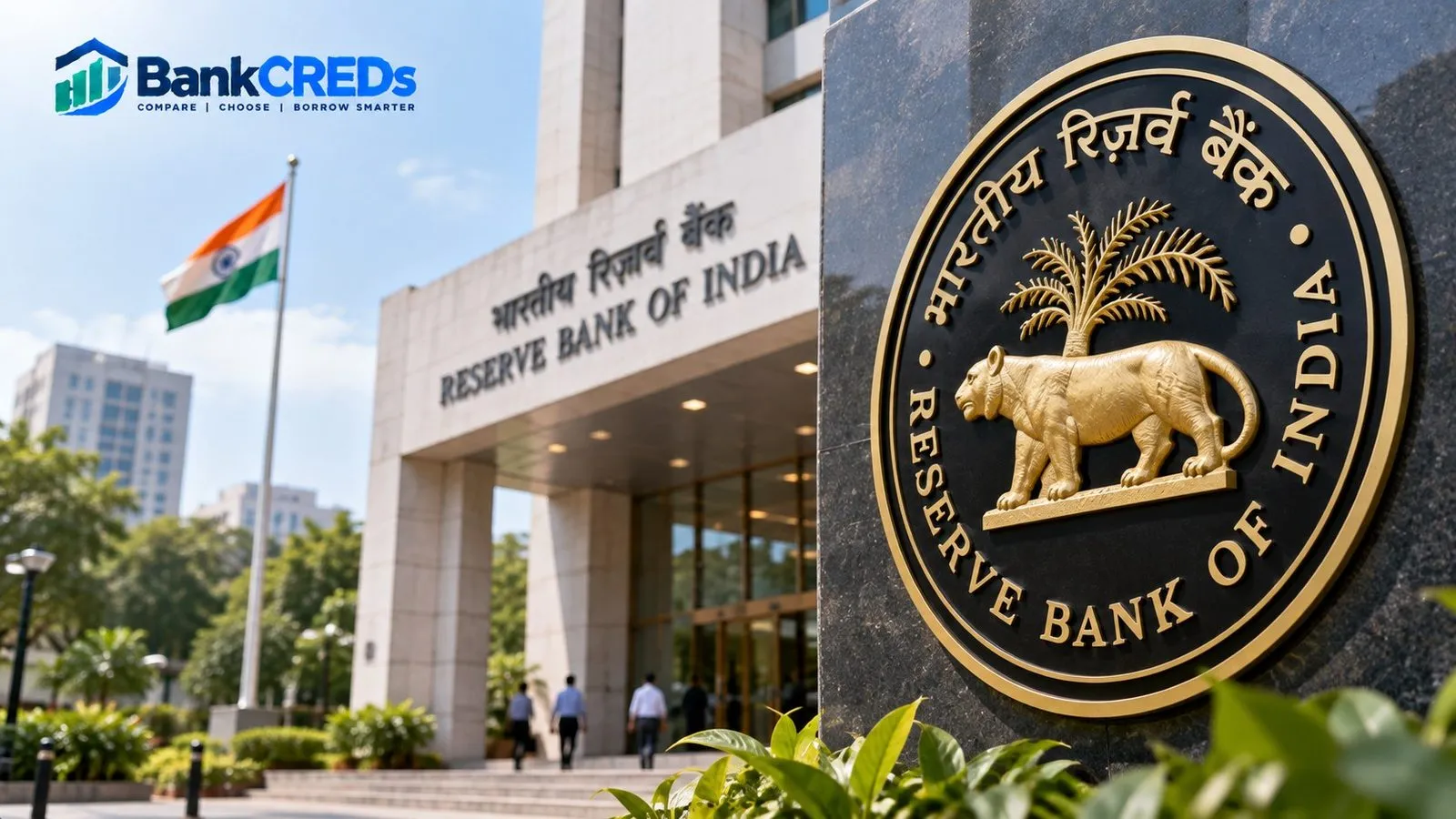
The Reserve Bank of India has put new curbs on forex activity, according to reporting by bfsi.economictimes.indiatimes.com. The report says private banks may feel the squeeze more than government-owned banks.
For most savers and borrowers, nothing changes today. Your deposit, EMI and card work as before. Any effect would show up slowly, mostly through fees on foreign currency services.
Key takeaways
- RBI's forex curbs may hurt private banks more than public sector banks, as reported.
- Your savings account, FD and EMI are not directly affected.
- Forex fees and transfer charges are the likeliest place to feel a change.
- Students, travellers and importers should compare quotes before sending money abroad.
- Deposits stay insured up to ₹5 lakh per depositor, per bank.
How forex curbs work in simple terms
Forex means foreign exchange. It's money in dollars, euros and other currencies. Banks buy and sell it for importers, exporters, travellers and students.
RBI sets the rules for how banks deal in it. It guards the rupee's stability and wants banks to avoid risky currency bets. Rules on forex are one of its tools. They get tighter or looser as conditions change.
Why might private banks feel it more? They often earn a bigger share of income from fees and treasury work, which includes currency dealing. Public sector banks lean more on plain lending and deposits. So a curb on forex activity can pinch the first group harder. The headline doesn't give exact limits, so we won't guess them.
What changes for you
A bank that earns less from forex may try to earn more elsewhere. That could mean higher markups on currency conversion. It's a possibility, not a promise.
Here's a simple example. Say you send ₹10,00,000 abroad for college fees. The bank adds a markup to the exchange rate. A small change in that markup adds up fast.
| Bank markup | Extra cost on ₹10,00,000 | Difference from 0.50% |
|---|---|---|
| 0.25% | ₹2,500 | ₹2,500 less |
| 0.50% | ₹5,000 | Base case |
| 0.75% | ₹7,500 | ₹2,500 more |
| 1.00% | ₹10,000 | ₹5,000 more |
These markups are only examples. Check your own bank's actual quote.
Some banks may also add extra checks on foreign payments. That can mean an extra day or a few more documents. Keep your papers ready, such as fee invoices and ID proof.
Who is affected
- Students paying fees abroad and families sending money to them.
- Small importers who pay overseas suppliers.
- Frequent flyers who use forex cards.
- NRIs moving money to or from India.
Importers and exporters feel it most, because forex is part of their daily work. Their bank sits in the middle of every payment. A private bank customer may see a change sooner than a public bank customer, if the report's view holds.
If you only save and borrow in rupees, you're largely untouched. Your numbers on the EMI calculator stay the same.
What to do now
- Ask your bank for the full exchange rate and fees before any transfer.
- Get a quote from a second bank. A ten-minute check can save thousands.
- Don't move your savings out of a bank in a panic.
- Watch interest rates and our news hub for updates.
- If you're borrowing, compare options in our personal loan guides.
Small steps help most. Ask about the markup in percent, not just the rate. Also ask about flat fees per transfer. Those two numbers together give the real cost.
Frequently asked questions
Will my EMI go up because of RBI's forex curbs?
Not directly. Forex curbs deal with foreign currency business, not the rate on your rupee loan. Your EMI depends on your loan's rate type.
Is my money safe in a private bank?
Yes. Deposits up to ₹5 lakh per depositor, per bank are insured by DICGC. Nothing in the report suggests a threat to deposits.
Should I switch banks for forex services?
Not yet. Compare quotes when you need to send money. Pick the bank that gives the better all-in rate.
BankCreds analysis
Less than it looks
Picture a salaried family with ₹3 lakh in an FD and a home loan EMI. This changes almost nothing for them this week. The rupee side of your bank isn't what these curbs target.
The real cost falls on people who pay in foreign currency. Take a family sending ₹5,00,000 abroad twice a year. A 0.25% rise in markup costs about ₹2,500 over the year. That's real money, but it's small next to the fee gap between banks.
Don't over-read the private versus public line. It's about earnings pressure, not safety. Forex rules have tightened and loosened many times before. This is one more turn in a long cycle. Shop around for forex quotes, and leave your savings where they are.
This section is BankCreds' own assessment of what the development means for Indian borrowers and savers. It is independent commentary, not part of the source reporting above.
Sources & references
- bfsi.economictimes.indiatimes.com — originating report https://bfsi.economictimes.indiatimes.com/articles/rbi-forex-curbs-may-hit-private-banks-harder-than-psu-lenders/134925642
- Reserve Bank of India — RBI sets the rules for how banks deal in foreign exchange https://www.rbi.org.in/
- DICGC deposit insurance — Deposits are insured up to ₹5 lakh per depositor, per bank https://www.dicgc.org.in/
Source links are shown as plain text, not clickable links. Copy a URL into your browser to read the original report.
Editorial note & disclaimer
How this was reported. The development above is attributed to the source or sources listed. BankCreds does not independently verify a third party's reporting; where a figure or a regulatory position is stated as fact, it is either attributed or drawn from the regulator's own published material. Everything under "BankCreds analysis" is our own assessment.
Rates and figures. Interest rates, per-gram values and premium bands quoted here are indicative, move daily, and differ by borrower profile, city and lender policy. Confirm the final number with the institution before you act on it — the sanction letter or policy schedule governs, not a news report.
Not financial advice. This article is general information for an Indian audience. It is not investment, tax, credit or insurance advice, takes no account of your circumstances, and BankCreds is not a lender, broker, distributor or advisor. Consider speaking to a SEBI-registered investment adviser or a qualified professional before acting.
Editorial policy · Fact-checking policy · Corrections policy · Our authors · About BankCreds · Contact us
Spotted an error? Corrections are published, not quietly edited — write to us via the contact page and see our corrections policy.