


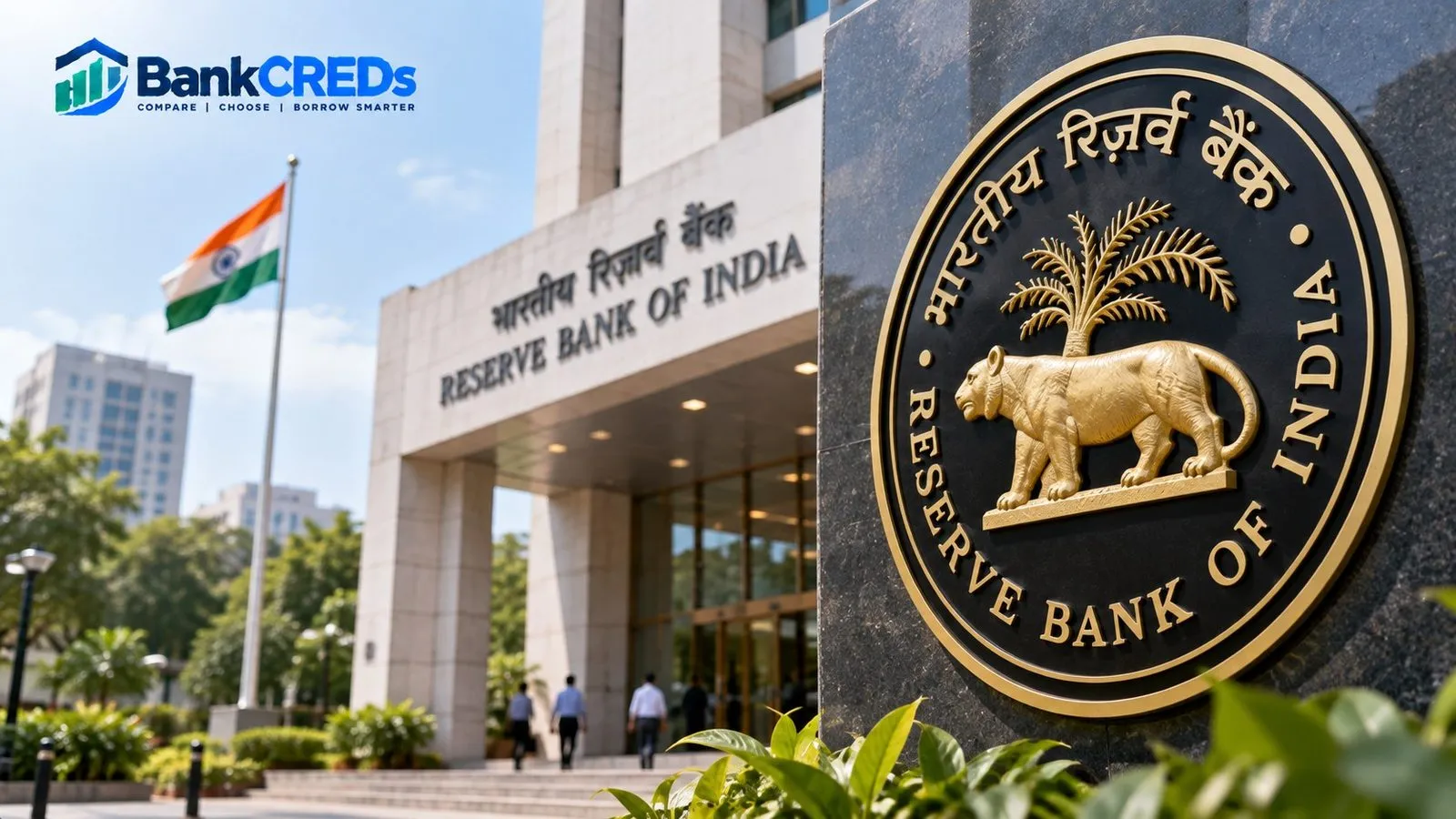
RBI has proposed new cyber safeguards for banks, according to reporting by bfsi.economictimes.indiatimes.com. The idea is to spot and stop fraud before money leaves your account, not after.
For you, that could mean fewer lost savings and fewer stressful recovery chases. These are proposals, so nothing changes in your account today. Keep your usual guard up for now.
Key takeaways
- RBI's proposed safeguards aim to block fraud before the money is sent.
- This is a proposal, so final rules and dates may differ.
- Today, most fraud is handled after the loss, which is slow and stressful.
- You should still guard your OTP, PIN and phone, and report fraud fast.
- Some payments might get paused for checks, so plan for small delays.
How the proposed safeguards work in simple terms
Right now, fraud is mostly dealt with after it happens. You notice a debit, call your bank, and then a long process begins. By then, the money has often moved through many accounts.
Pre-transfer safeguards flip that order. The bank's system checks a payment while it's happening. It can look for odd signs, like a new device, a strange hour or an unusual amount. If something looks wrong, the payment can be paused or blocked.
We don't have the full rule text yet. So we can't say exactly which checks banks must run. Wait for the final circular before assuming anything.
What changes for borrowers and savers
Let's use a simple example. Asha has ₹60,000 in her salary account. A caller poses as her bank and tricks her into sending ₹45,000. Her monthly EMI (the fixed amount you repay on a loan each month) is ₹15,000.
That lost ₹45,000 equals three months of her EMI. She might miss payments and hurt her credit score. If a check had paused the transfer, she'd have kept her money and had time to think.
| Situation | Today | With checks before transfer |
|---|---|---|
| Fraud of ₹45,000 noticed | After the money is gone | Payment can be paused first |
| Chance of getting money back | Often low and slow | Much better, since it never left |
| Months of ₹15,000 EMI at risk | 3 months | 0 months |
| Your effort afterward | Complaints and follow-ups | A quick call to confirm |
The numbers above are an illustration, not figures from the report.
Who is affected
Every bank customer could be affected. Banks will carry most of the work, since they must build and run the checks. Small banks and co-operative banks may need more time.
People who pay by UPI or net banking every day will notice it most. Senior citizens and first-time digital users face the highest scam risk. They may gain the most from a safety net.
If you have loans, safe money matters even more. A single big fraud can break your EMI plan. You can test your own numbers on our EMI calculators.
What to do now
You don't need to wait for the final rules. These steps help today:
- Never share your OTP, PIN or card details with anyone, even a caller who sounds official.
- Turn on transaction alerts by SMS and app.
- Set sensible daily limits on UPI and net banking.
- Report any fraud to your bank at once. RBI's customer protection rules say a quick report can limit your loss.
- Keep your phone updated and avoid unknown apps.
If you're planning a loan, read our personal loan guides first. For more updates like this, visit our news hub.
Frequently asked questions
Are these RBI cyber safeguards already in force?
No. According to the report, they're proposed. Banks must wait for final RBI rules before they apply.
Will I still lose money if I share my OTP?
Possibly. If you approve a payment yourself, the system may see it as normal. Never share your OTP with anyone.
What should I do if money leaves my account by fraud?
Call your bank right away and report it. Also file a complaint on the national cyber crime portal. Quick action gives you the best chance of help.
BankCreds analysis
Helpful, but not a magic shield
This is a proposal. It's not a rule yet, and banks will need time to build the checks. Until then, your own habits are your best protection.
Think of a household that earns ₹50,000 a month. Losing ₹30,000 to one fake call wipes out more than half a month of income. A pre-transfer check could stop that loss. But it only works if the scam looks odd to the bank's system.
Here's the part people miss. Many frauds happen because you share an OTP or approve a payment yourself. Those payments look normal to a system. So safeguards will help most against hacks and stolen devices. They'll help less against smooth talkers.
The real change to watch is delays. A paused payment can feel annoying when you're in a hurry. Keep a second payment option handy for bills and EMIs.
This section is BankCreds' own assessment of what the development means for Indian borrowers and savers. It is independent commentary, not part of the source reporting above.
Sources & references
- bfsi.economictimes.indiatimes.com — originating report https://bfsi.economictimes.indiatimes.com/articles/explained-how-rbis-proposed-cyber-safeguards-could-stop-fraud-before-money-leaves-your-account/136172195
- Reserve Bank of India — RBI is the regulator that issues bank security and customer protection rules https://www.rbi.org.in/
- RBI notifications and circulars — Where RBI publishes draft and final circulars on bank security https://www.rbi.org.in/Scripts/NotificationUser.aspx
Source links are shown as plain text, not clickable links. Copy a URL into your browser to read the original report.
Editorial note & disclaimer
How this was reported. The development above is attributed to the source or sources listed. BankCreds does not independently verify a third party's reporting; where a figure or a regulatory position is stated as fact, it is either attributed or drawn from the regulator's own published material. Everything under "BankCreds analysis" is our own assessment.
Rates and figures. Interest rates, per-gram values and premium bands quoted here are indicative, move daily, and differ by borrower profile, city and lender policy. Confirm the final number with the institution before you act on it — the sanction letter or policy schedule governs, not a news report.
Not financial advice. This article is general information for an Indian audience. It is not investment, tax, credit or insurance advice, takes no account of your circumstances, and BankCreds is not a lender, broker, distributor or advisor. Consider speaking to a SEBI-registered investment adviser or a qualified professional before acting.
Editorial policy · Fact-checking policy · Corrections policy · Our authors · About BankCreds · Contact us
Spotted an error? Corrections are published, not quietly edited — write to us via the contact page and see our corrections policy.