


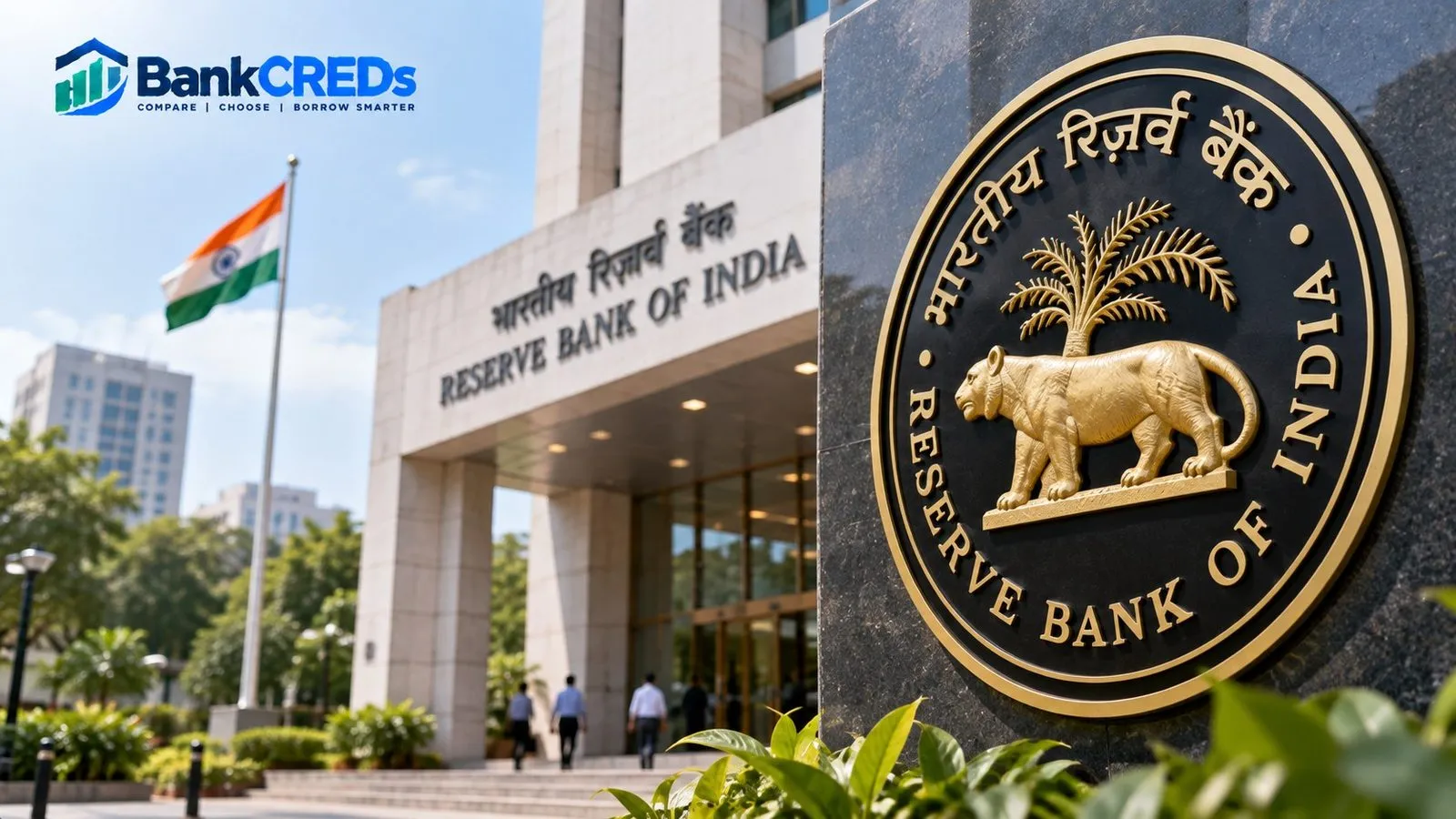
RBI has raised the repo rate to 5.50%, according to reporting by ET Government. The repo rate is the interest rate at which RBI lends money to banks.
For you, this usually means loans can get costlier and deposit rates can edge up. How quickly that reaches you depends on your loan type and your lender.
Key takeaways
- RBI's repo rate is now 5.50%, as reported by ET Government.
- Floating-rate loans linked to the repo rate can see higher EMIs soon.
- Fixed-rate loans don't change until you take a new loan.
- Fixed deposit rates may rise slowly, and not by the same amount.
- The goal is to cool inflation, but that takes months.
How a repo rate hike works
Think of the repo rate as the base price of money for banks. When RBI raises it, banks pay more to borrow. They then pass part of that cost on to customers.
RBI uses this tool to keep inflation in check. Inflation means everyday prices keep rising over time. Costlier loans make people borrow and spend a little less. Lower demand can ease the pressure on prices.
The effect isn't instant. It usually takes several months to show up in the economy. A hike helps, but it doesn't guarantee that prices will fall. Food and fuel costs can still push inflation around.
What changes for borrowers and savers
Most new floating loans are tied to an outside benchmark, often the repo rate. When the repo rate rises, your rate usually rises at the next reset. Older loans linked to a bank's own lending rate (MCLR) change more slowly.
Here's a simple example. Take a ₹30 lakh home loan for 20 years. EMI means equated monthly instalment, the fixed amount you pay each month. The numbers below are rounded estimates.
| Loan rate | Approx. monthly EMI | Change from 8.50% |
|---|---|---|
| 8.50% | ₹26,040 | None |
| 8.75% | ₹26,510 | About +₹470 |
| 9.00% | ₹26,990 | About +₹950 |
The actual rise for you depends on how much your lender passes on. Many banks keep your EMI the same and stretch your loan term instead. That quietly adds more interest over time. You can test your own numbers with the EMI calculator.
Savers may see small gains. Banks can raise fixed deposit rates after a hike. But they often do it slowly, and some skip it. Check the latest interest rates before you lock in a deposit.
Who is affected
Not everyone feels this the same way. Here's a quick guide:
- Floating home loan borrowers: EMI or loan term can go up at the next reset.
- Personal loan borrowers: Most are fixed-rate, so existing loans stay the same. New loans may cost more.
- Fixed deposit savers: New deposits may earn a bit more over time.
- Small businesses: Working capital loans can get costlier.
- First-time buyers: Home loans may be pricier, so budgets need a fresh look.
What to do now
You don't need to panic. A few calm steps are enough:
- Check whether your loan is floating or fixed in your sanction letter.
- Find your next rate reset date with your lender.
- Run your new EMI in an EMI calculator.
- If you plan a new loan, compare offers on home loan and personal loan pages.
- If you have spare cash, consider a small prepayment on a costly loan.
Also keep an emergency fund of a few months' expenses. A bigger EMI is easier to handle when you have a cushion.
Frequently asked questions
Will my home loan EMI go up after the repo rate hike?
If your loan is floating and linked to the repo rate, it may go up at your next reset. Fixed-rate loans don't change. Ask your lender how they apply the change.
Will the repo rate hike bring inflation down?
It should help ease price pressure over time. But it takes months, and other factors like food and fuel prices matter too. It's not a quick fix.
Should I prepay my loan now?
It can make sense if you have spare money after setting aside an emergency fund. Prepaying cuts the interest you pay. Check for any prepayment charges first.
BankCreds analysis
The rate hike matters, but it won't change your life overnight. A bigger worry is the full rise over several meetings, not one step.
Take a ₹30 lakh home loan over 20 years. A 0.25-point rise adds about ₹470 a month. That's real, but it's less than many people fear. Over a year it comes to roughly ₹5,600.
Who gains and who loses
Savers with new fixed deposits may gain a little. Borrowers on floating loans lose a little. Fixed-rate borrowers see no change.
Don't read this as a sign of a crisis. A hike usually means RBI is being careful about prices. The best move this week is simple. Check your loan's rate type and your lender's reset date. Then decide calmly, without rushing to prepay.
This section is BankCreds' own assessment of what the development means for Indian borrowers and savers. It is independent commentary, not part of the source reporting above.
Sources & references
- ET Government — originating report https://government.economictimes.indiatimes.com/blog/what-does-rbis-repo-rate-hike-to-5-50-mean-for-indias-economy-and-future-inflation/135032540
- Reserve Bank of India — RBI sets the repo rate as part of its monetary policy https://www.rbi.org.in/
Source links are shown as plain text, not clickable links. Copy a URL into your browser to read the original report.
Editorial note & disclaimer
How this was reported. The development above is attributed to the source or sources listed. BankCreds does not independently verify a third party's reporting; where a figure or a regulatory position is stated as fact, it is either attributed or drawn from the regulator's own published material. Everything under "BankCreds analysis" is our own assessment.
Rates and figures. Interest rates, per-gram values and premium bands quoted here are indicative, move daily, and differ by borrower profile, city and lender policy. Confirm the final number with the institution before you act on it — the sanction letter or policy schedule governs, not a news report.
Not financial advice. This article is general information for an Indian audience. It is not investment, tax, credit or insurance advice, takes no account of your circumstances, and BankCreds is not a lender, broker, distributor or advisor. Consider speaking to a SEBI-registered investment adviser or a qualified professional before acting.
Editorial policy · Fact-checking policy · Corrections policy · Our authors · About BankCreds · Contact us
Spotted an error? Corrections are published, not quietly edited — write to us via the contact page and see our corrections policy.