


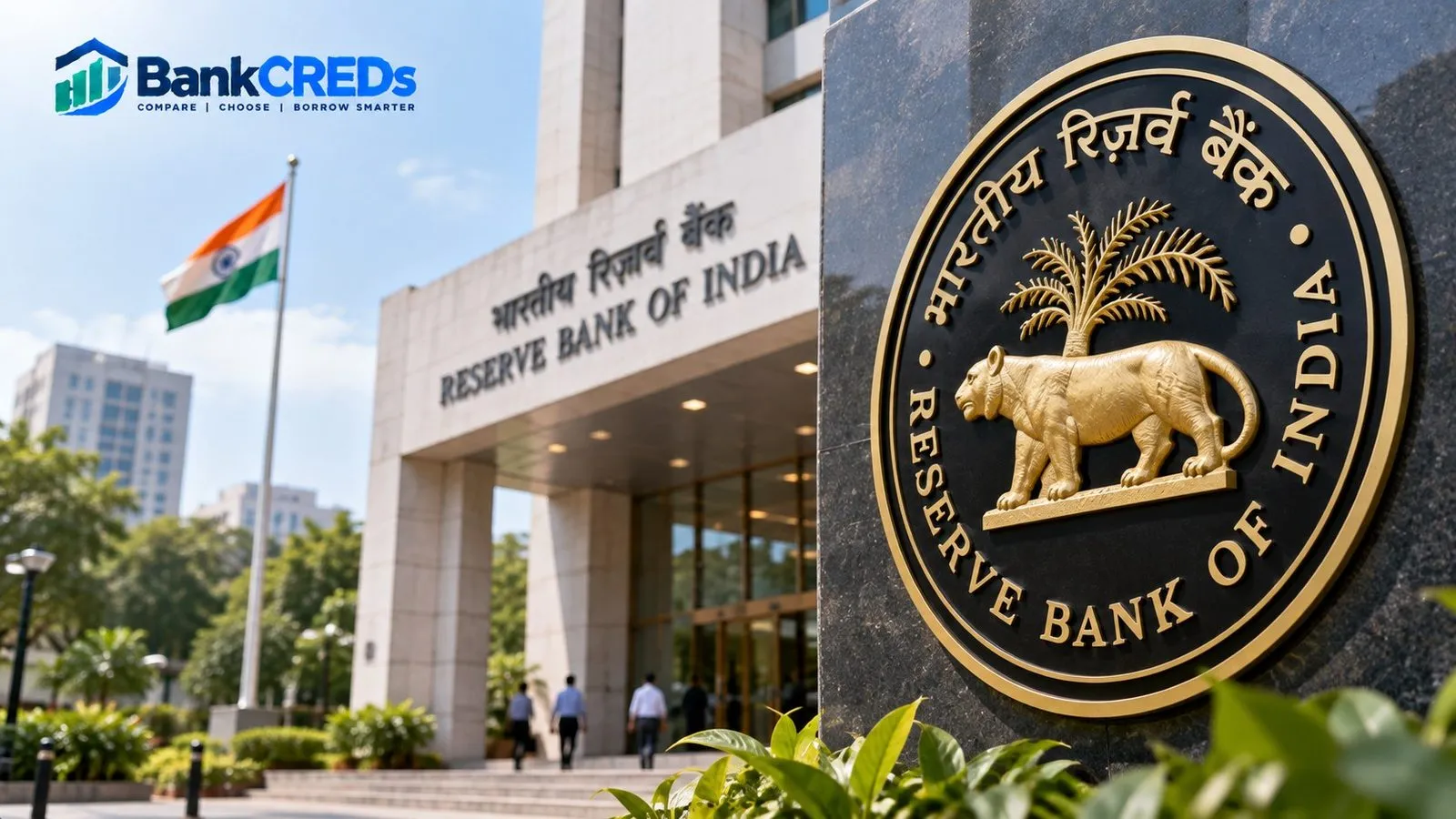
Indian importers are still buying forward cover to lock in the rupee rate, according to reporting by CNBC TV18. They're doing it even though the RBI has made some hedging routes costlier.
For you, this is mostly a business-side story. It doesn't change your EMI or your deposit rate today. But it shows how firms protect themselves from a weak rupee, and that can touch prices over time.
Key takeaways
- Importers are still hedging, as reported by CNBC TV18, despite a costlier route set by the RBI.
- A hedge fixes the rupee price of dollars for a payment due later.
- Your loan EMIs and FD rates aren't directly affected by this news.
- Imported goods may stay steadier in price when firms hedge.
- Check your own dollar-linked costs, like fees or travel, rather than worrying.
How rupee hedging works in simple terms
Importers buy goods abroad and pay in dollars. Their sales income is in rupees. If the rupee weakens before they pay, the same goods cost more rupees.
A hedge is a deal with a bank. The importer agrees today on the rate for a payment due later. The common tool is a forward contract. It simply fixes the exchange rate now for a future date.
The bank builds a cost into that rate. As reported, the RBI has tried to make some of this cover more expensive to discourage it. Many importers still find the cover worth paying for.
What it means in rupees
Hedging costs are usually small next to the loss from a sharp fall in the rupee. Here's a made-up example to show the idea. An importer owes $100,000 in three months.
| Scenario | Rate per dollar | Rupees paid |
|---|---|---|
| Today's rate, no hedge | ₹88.00 | ₹88,00,000 |
| Rupee weakens, no hedge | ₹90.00 | ₹90,00,000 |
| Hedged at forward rate | ₹88.50 | ₹88,50,000 |
| Rupee strengthens, no hedge | ₹87.00 | ₹87,00,000 |
If the rupee weakens, the hedge saves ₹1,50,000. If it strengthens, the hedge costs ₹1,50,000 more than waiting. So a hedge buys certainty, not profit. Firms that can't absorb surprises choose certainty.
Who is affected
The people closest to this are businesses that pay in dollars. Others feel it more slowly.
- Importers of fuel, machinery, chemicals and electronics: they face the cost of cover directly.
- Small businesses buying inputs abroad: costlier cover pinches them more than large firms.
- Shoppers: steadier import costs can mean fewer sudden price hikes.
- Borrowers and savers: there's little direct change to your rates.
If higher cover costs squeeze margins, some firms may raise prices a little. That's a possibility, not a promise.
What to do now
You don't need to act in a hurry. A few simple steps will keep you ready.
- Don't change your loan or deposit plans because of this story.
- If you run an import business, ask your bank for forward cover quotes and compare the costs.
- Keep a small buffer for dollar-linked costs such as foreign tuition or travel.
- Track loan and deposit rates on our interest rates page.
- Use the EMI calculator before taking any new loan.
For more stories on RBI and the rupee, visit the BankCreds news hub.
Frequently asked questions
What is a forward contract?
It's a deal with a bank to buy dollars at a rate fixed today. You pay on a future date. It protects you from the rupee moving against you.
Will this change my EMI or FD rate?
No, not directly. Your EMI depends on your lender's rate and the RBI's repo rate. Hedging by importers doesn't set either of those.
Why would the RBI make hedging costlier?
The reporting calls it a deterrent, so the aim is to curb heavy use of such cover. The RBI hasn't been quoted here on its exact reasons, so we won't guess.
BankCreds analysis
This story is less important to your wallet than the headline suggests. The RBI's move is aimed at traders and banks, not at household loans or deposits. Your EMI and FD rate won't change because of it.
Where it could touch you
The real link is price. Say a firm imports parts worth $100,000. A ₹1.50 swing per dollar changes its bill by ₹1,50,000. If the firm has hedged, it doesn't need to pass that jump to shoppers.
The over-reading to avoid is thinking hedging means the rupee is about to crash. Firms hedge all the time, in calm years too. This week, do nothing different. Just keep an eye on dollar-linked costs. Think of foreign tuition or travel that you plan to pay in the next few months.
This section is BankCreds' own assessment of what the development means for Indian borrowers and savers. It is independent commentary, not part of the source reporting above.
Sources & references
- CNBC TV18 — originating report https://www.cnbctv18.com/economy/india-importers-press-on-with-rupee-hedges-despite-rbis-higher-cost-deterrent-20011831.htm
- Reserve Bank of India — RBI regulates how banks offer foreign-exchange cover to businesses https://www.rbi.org.in/
Source links are shown as plain text, not clickable links. Copy a URL into your browser to read the original report.
Editorial note & disclaimer
How this was reported. The development above is attributed to the source or sources listed. BankCreds does not independently verify a third party's reporting; where a figure or a regulatory position is stated as fact, it is either attributed or drawn from the regulator's own published material. Everything under "BankCreds analysis" is our own assessment.
Rates and figures. Interest rates, per-gram values and premium bands quoted here are indicative, move daily, and differ by borrower profile, city and lender policy. Confirm the final number with the institution before you act on it — the sanction letter or policy schedule governs, not a news report.
Not financial advice. This article is general information for an Indian audience. It is not investment, tax, credit or insurance advice, takes no account of your circumstances, and BankCreds is not a lender, broker, distributor or advisor. Consider speaking to a SEBI-registered investment adviser or a qualified professional before acting.
Editorial policy · Fact-checking policy · Corrections policy · Our authors · About BankCreds · Contact us
Spotted an error? Corrections are published, not quietly edited — write to us via the contact page and see our corrections policy.