


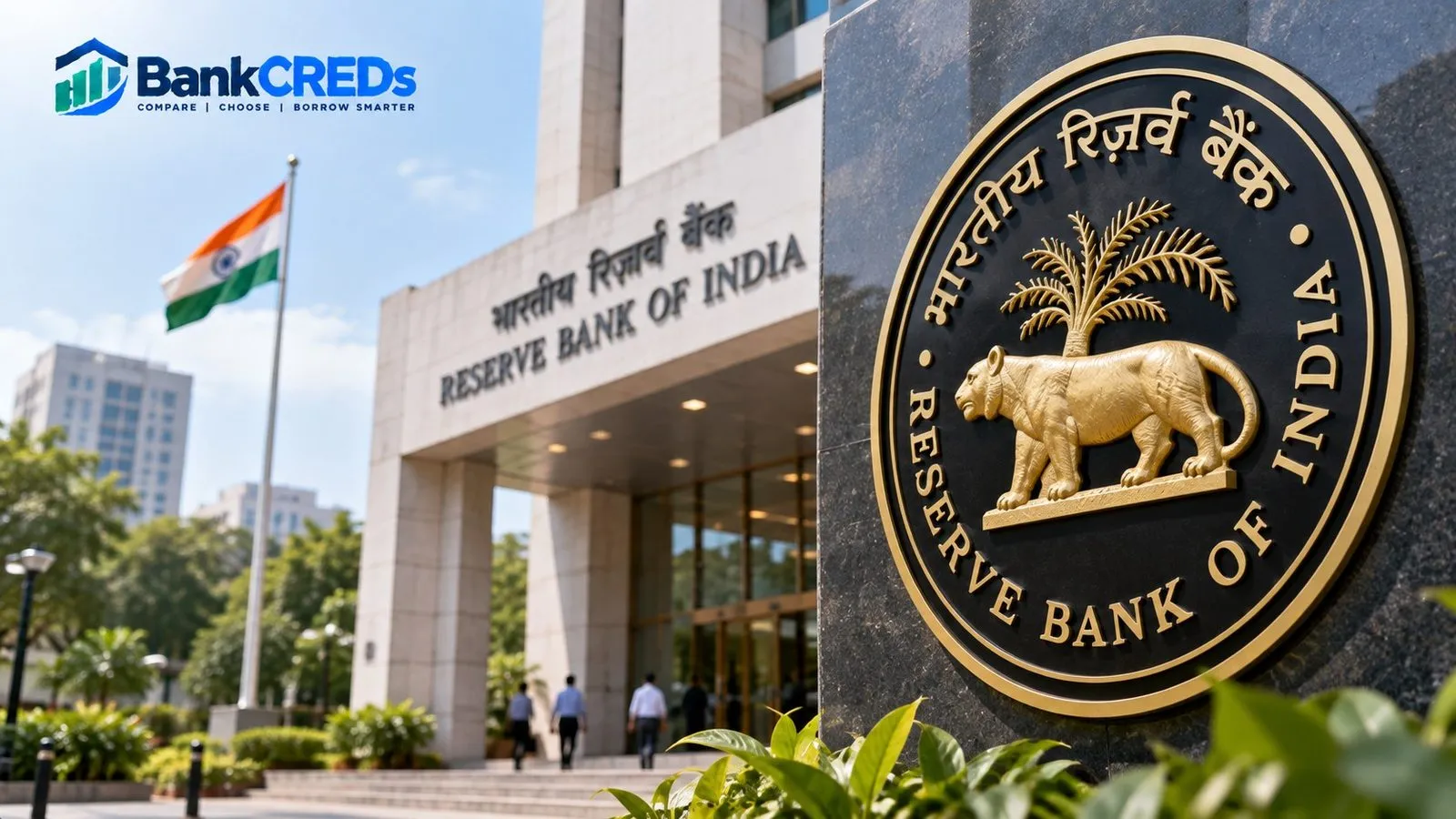
The rupee is under pressure. Reporting by bfsi.economictimes.indiatimes.com asks whether the Reserve Bank of India (RBI) is running low on ways to defend it. The headline is a question, not a final verdict.
For you, the risk is mostly indirect. A weak rupee can push up prices and make interest rate cuts harder. That could keep your loan EMI higher for longer.
Key takeaways
- A report asks if RBI's tools to defend the rupee are wearing thin.
- A weak rupee makes imports costlier, and that can lift prices.
- Higher prices can delay rate cuts, so floating loan EMIs may stay high.
- Nothing changes in your loan or deposit today. Plan ahead calmly.
How RBI defends the rupee, in simple terms
The rupee's value moves with demand and supply. When more people want dollars than rupees, the rupee falls. Dollars are needed to pay for oil, gadgets, foreign travel and fees abroad.
RBI can step in to slow a fall. It sells dollars from its foreign exchange reserves. That is the money it keeps in other currencies. Selling dollars adds supply, and that supports the rupee.
There's a catch. Reserves aren't endless. Each dollar sold leaves less in the cushion. RBI also has to think about how much cash is left in the banking system after it sells.
That's why analysts ask how long such defence can go on. It's a fair question. It doesn't mean the reserves are empty.
What changes for borrowers and savers
A weak rupee makes imported goods costlier. Oil is the big one. When fuel costs more, transport and food costs often rise too.
If prices keep rising, RBI may hold its repo rate. The repo rate is the rate at which RBI lends to banks. Many home loans are linked to it. If it stays put, your EMI stays put too.
Here's a worked example. Take a home loan of ₹50 lakh for 20 years. The table shows how the monthly EMI changes with the rate.
| Loan rate (yearly) | Approx. monthly EMI | Change from 8.5% |
|---|---|---|
| 8.00% | ₹41,820 | About ₹1,570 lower |
| 8.50% | ₹43,390 | No change |
| 8.75% | ₹44,190 | About ₹800 higher |
| 9.00% | ₹44,990 | About ₹1,600 higher |
These figures come from the standard EMI formula. You can test your own loan with the EMI calculator. Your lender's real rate may differ.
Savers face a mixed picture. If rates stay higher, fixed deposit rates may hold up. But rising prices eat into what your savings can buy.
Who is affected
Some groups feel a weak rupee more than others.
- Floating rate borrowers, because their EMI follows rate moves.
- Families paying fees for children studying abroad.
- People planning foreign trips or buying imported electronics.
- Small businesses that import parts or raw material.
Fixed rate borrowers are safer for now. Their EMI doesn't change during the term. Salaried people with no foreign costs will feel it mainly through prices.
You can read more on rate trends in our interest rates tables. For home buyers, our home loan guides explain how rate changes reach your EMI.
What to do now
You don't need to act in a rush. A few calm steps are enough.
- Check if your loan is floating or fixed rate.
- Work out your EMI at a rate 0.5 points higher. See if your budget can take it.
- Keep an emergency fund of three to six months of expenses.
- Delay big foreign payments only if the date is flexible.
- Avoid new high cost debt just to cover rising bills.
If you're shopping for a new loan, compare offers carefully. A small gap in rate adds up over many years. Follow our news hub for updates as the story develops.
Frequently asked questions
Does a weak rupee raise my home loan EMI?
Not directly. It can push prices up, and that may delay rate cuts. If your loan is floating, your EMI could stay higher for longer.
Is RBI really out of reserves?
The headline asks a question and doesn't say that. Reserves are used to defend the rupee, but we don't have figures from the report. Check RBI's official releases for numbers.
Should I move my savings into dollars?
Usually not because of one headline. Currency bets are risky and can lose money. Keep your emergency money safe and in rupees.
BankCreds analysis
Don't over-read the question
A headline that asks a question isn't a warning bell. RBI has many tools, and the rupee has had weak spells before. Most households won't feel a sharp change this week.
The real effect is slow. A weaker rupee raises the cost of imported oil, which can lift prices. Higher prices make rate cuts less likely. For a 50 lakh home loan, a 0.25 point rate rise adds about ₹800 to the monthly EMI. That's roughly ₹9,600 a year.
Who's worse off? Floating rate borrowers, families with children studying abroad, and anyone who travels overseas. Savers with fixed deposits may gain a little if rates stay higher.
This week, do one simple thing. Check whether your loan rate is floating and whether your budget has a small cushion. Skip panic moves like closing deposits or rushing to prepay.
This section is BankCreds' own assessment of what the development means for Indian borrowers and savers. It is independent commentary, not part of the source reporting above.
Sources & references
- bfsi.economictimes.indiatimes.com — originating report https://bfsi.economictimes.indiatimes.com/articles/is-rbi-running-out-of-ammo-to-defend-the-rupee/135193664
- Reserve Bank of India — RBI manages the rupee and holds the country's foreign exchange reserves https://www.rbi.org.in/
Source links are shown as plain text, not clickable links. Copy a URL into your browser to read the original report.
Editorial note & disclaimer
How this was reported. The development above is attributed to the source or sources listed. BankCreds does not independently verify a third party's reporting; where a figure or a regulatory position is stated as fact, it is either attributed or drawn from the regulator's own published material. Everything under "BankCreds analysis" is our own assessment.
Rates and figures. Interest rates, per-gram values and premium bands quoted here are indicative, move daily, and differ by borrower profile, city and lender policy. Confirm the final number with the institution before you act on it — the sanction letter or policy schedule governs, not a news report.
Not financial advice. This article is general information for an Indian audience. It is not investment, tax, credit or insurance advice, takes no account of your circumstances, and BankCreds is not a lender, broker, distributor or advisor. Consider speaking to a SEBI-registered investment adviser or a qualified professional before acting.
Editorial policy · Fact-checking policy · Corrections policy · Our authors · About BankCreds · Contact us
Spotted an error? Corrections are published, not quietly edited — write to us via the contact page and see our corrections policy.