


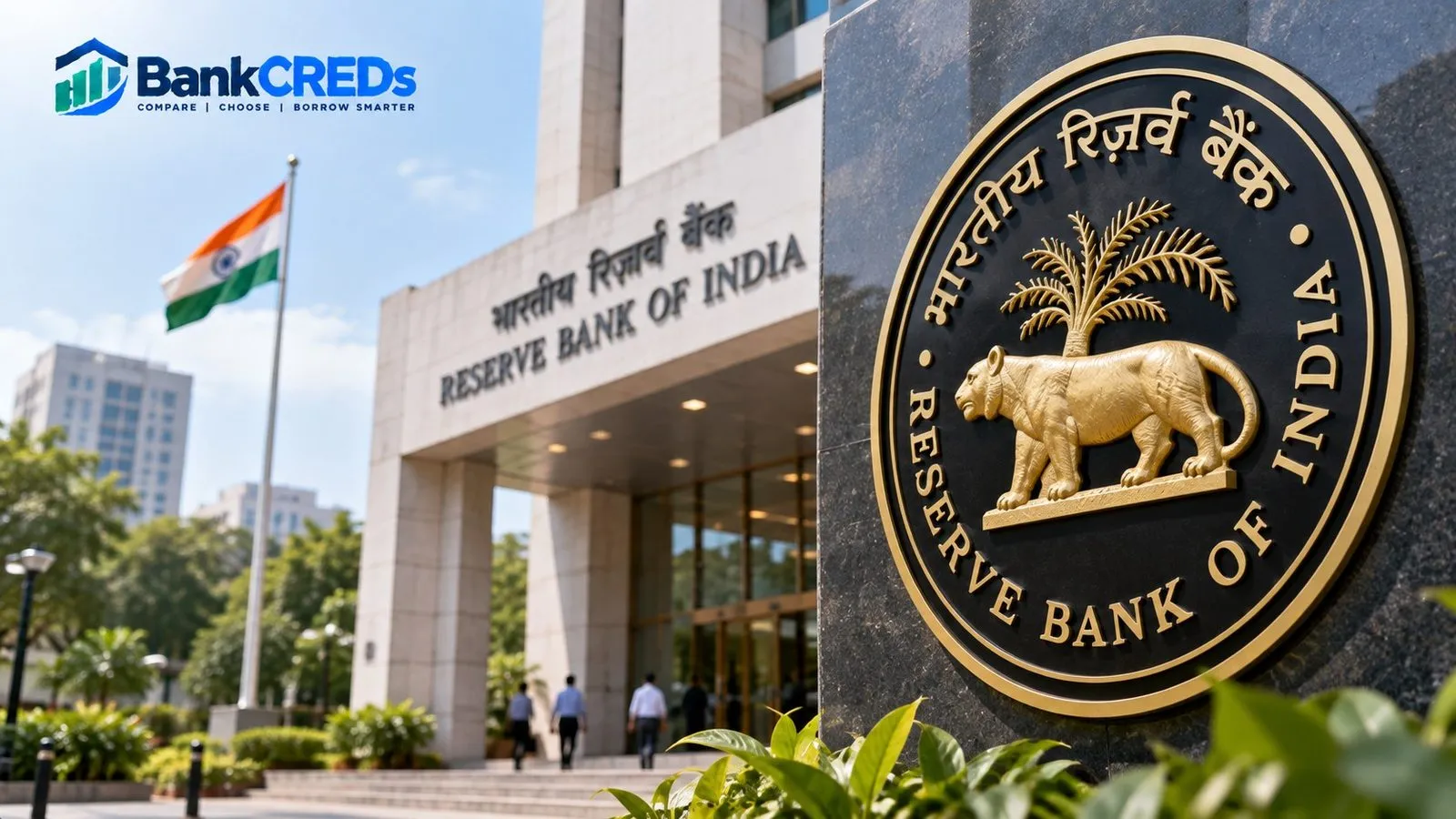
Business Standard reports a new RBI move. The Reserve Bank of India (RBI) now lets banks hold debits on highly suspicious transactions. A debit hold means the bank pauses money going out of an account while it checks.
For you, this could mean a risky payment gets stopped before the money leaves. It could also mean a genuine payment gets delayed for a short while. Knowing how to respond will save you stress.
Key takeaways
- Banks can now pause outgoing money on transactions they see as highly suspicious, as reported.
- The aim is to stop fraud before the money is gone for good.
- A genuine payment may be delayed until you confirm it with your bank.
- Borrowers should keep a buffer so a hold doesn't make an EMI bounce.
- Check the RBI circular itself for exact limits, because the headline doesn't give them.
How a debit hold works in simple terms
A debit is money leaving your account. A hold is a pause. So a debit hold means the bank stops that payment from going through for now. It then checks whether the payment is real.
Banks already use software to spot odd patterns. Think of a huge transfer to a new person at midnight. The new permission gives banks a clearer right to act on such cases.
The headline talks about holds on suspicious transactions. It doesn't say your whole account gets frozen. We also don't know how long a hold can last. Read the RBI circular for the exact wording.
What changes for savers and borrowers
Here's an example. Meena has ₹50,000 in her savings account. A caller tricks her into sending ₹40,000 to a stranger. The bank's system flags it as highly suspicious and pauses the debit.
The bank calls Meena. She says she was pressured by a caller. The money stays in her account. If she was buying a scooter, she confirms, and the payment goes through a little later.
Borrowers need one extra habit. Say your EMI is ₹12,000 and it's due on the 5th. If a hold ties up your balance, the EMI could fail. That may mean a late fee and a hit to your credit score.
| Example situation | Amount | Likely result |
|---|---|---|
| Transfer after a phishing call | ₹40,000 | Paused, bank contacts you |
| Genuine scooter down payment | ₹40,000 | Short delay until you confirm |
| Daily grocery UPI payment | ₹800 | No hold expected |
| EMI due while funds are held | ₹12,000 | Could bounce, so keep a buffer |
These numbers are only examples to show the idea. They aren't from the report.
Who is affected
Every account holder could be touched, but some people more than others.
- Senior citizens, who are often targeted by scam callers.
- People making large one-off payments, like a down payment or a fee.
- Small business owners who move big sums between accounts.
- Borrowers with auto-debit EMIs on personal loans or other credit.
If you mostly make small daily payments, you're unlikely to notice any change.
What to do now
A few simple steps will keep you ready.
- Save your bank's helpline number and branch contact in your phone.
- Keep your mobile number and email updated with the bank.
- Keep one extra EMI in your account. Use the EMI calculator to know your monthly figure.
- Before a big transfer, tell your bank if you can. A quick call avoids delays.
- If a payment is held, answer the bank's call or message quickly.
For more updates on bank rules, visit our news hub.
Frequently asked questions
Will my money be lost if the bank puts a hold?
No. A hold only pauses the payment. Your money stays in your account while the bank checks.
How can I get a held payment released?
Contact your bank and confirm the payment is yours. Keep proof ready, like an invoice or a booking slip.
Does this mean my account will be frozen?
The report talks about holds on suspicious transactions, not whole accounts. Check the RBI circular or ask your bank for the exact rule.
BankCreds analysis
Helpful, but not a magic shield
This rule helps most when a scam is fast and the amount is large. A held transfer gives you a few hours to think and call the bank. That can save a retired person a lifetime of savings.
But don't over-read it. A hold only works if the bank's system flags the payment. Scammers who make many small transfers may slip through. Your own caution still matters most.
Borrowers should watch one risk. Say your EMI is ₹12,000 and a hold ties up your balance. The EMI could bounce. That can mean a late fee and a dent in your credit record. Keep a small buffer of one EMI in the account. Also, save your bank's helpline number today. It costs nothing and could save you days of stress.
This section is BankCreds' own assessment of what the development means for Indian borrowers and savers. It is independent commentary, not part of the source reporting above.
Sources & references
- Business Standard — originating report https://www.business-standard.com/finance/news/rbi-allows-banks-to-place-debit-holds-on-highly-suspicious-transactions-126112701414_1.html
- RBI notifications and circulars — where RBI circulars on bank rules are published https://www.rbi.org.in/Scripts/NotificationUser.aspx
- Reserve Bank of India — the banking regulator that sets these rules https://www.rbi.org.in/
Source links are shown as plain text, not clickable links. Copy a URL into your browser to read the original report.
Editorial note & disclaimer
How this was reported. The development above is attributed to the source or sources listed. BankCreds does not independently verify a third party's reporting; where a figure or a regulatory position is stated as fact, it is either attributed or drawn from the regulator's own published material. Everything under "BankCreds analysis" is our own assessment.
Rates and figures. Interest rates, per-gram values and premium bands quoted here are indicative, move daily, and differ by borrower profile, city and lender policy. Confirm the final number with the institution before you act on it — the sanction letter or policy schedule governs, not a news report.
Not financial advice. This article is general information for an Indian audience. It is not investment, tax, credit or insurance advice, takes no account of your circumstances, and BankCreds is not a lender, broker, distributor or advisor. Consider speaking to a SEBI-registered investment adviser or a qualified professional before acting.
Editorial policy · Fact-checking policy · Corrections policy · Our authors · About BankCreds · Contact us
Spotted an error? Corrections are published, not quietly edited — write to us via the contact page and see our corrections policy.